












Arabic version: إيران تؤكد أن برنامجها الصاروخي غير قابل للتفاوض وسط تجدد المحادثات مع واشنطن
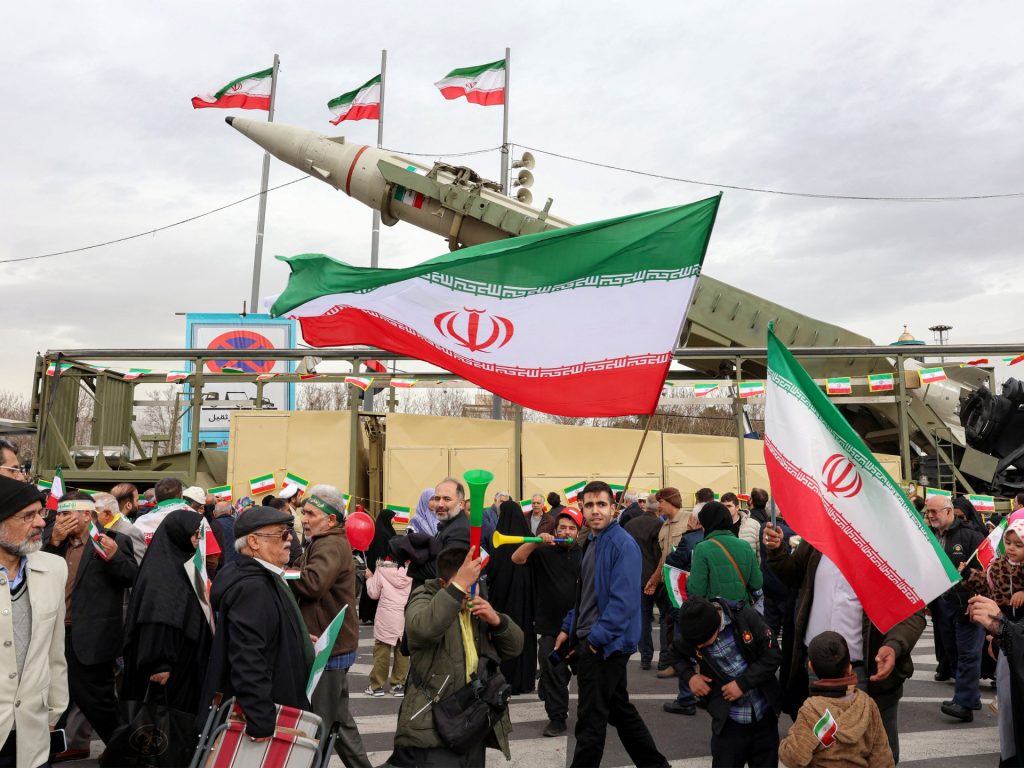
Iran’s leadership has firmly stated that its ballistic missile programme is non-negotiable, emphasizing its importance to national security amidst ongoing discussions with the United States. The remarks come as diplomatic efforts intensify to address various issues between the two nations, including Iran’s nuclear ambitions and regional security concerns.
In a statement made during a recent press conference, Iran’s Foreign Minister underscored that any negotiations involving Iran’s security capabilities, particularly its missile technology, would be unacceptable. The Iranian government views its missile programme as a crucial deterrent against perceived threats, particularly from the United States and its allies in the region.
The backdrop of these developments includes the ongoing fallout from the 2015 nuclear deal, officially known as the Joint Comprehensive Plan of Action (JCPOA). Following the U.S. withdrawal from the agreement in 2018 and the subsequent re-imposition of sanctions on Iran, tensions have escalated, with both sides engaging in a war of words and military posturing.
Recent reports indicate that U.S. officials are open to discussing a broader framework that might include Iran’s missile programme, but Tehran has categorically rejected any such proposals. Iranian officials argue that their missile capabilities are essential for regional stability and serve as a counterbalance to threats from neighboring countries, particularly Israel and Saudi Arabia.
The Iranian government has also reiterated its commitment to the nuclear talks, asserting that it is prepared to engage in discussions aimed at reviving the JCPOA. However, Iran maintains that its missile programme will not be part of any negotiations, a stance it believes is vital for preserving its sovereignty and security.
As diplomatic channels remain open, analysts suggest that both parties may need to find common ground on other issues to pave the way for a more comprehensive agreement. The possibility of a new deal hinges on addressing Iran’s missile capabilities, regional influence, and nuclear ambitions, with both sides needing to make strategic concessions.
The international community is closely watching these developments, as any progress in U.S.-Iran relations could have significant implications for global security and stability. With ongoing tensions and a complex geopolitical landscape, the path to a resolution remains fraught with challenges.
In conclusion, Iran’s unwavering stance on its missile programme reflects a broader commitment to national defense, while the U.S. seeks to engage in meaningful dialogue to address mutual concerns. As both nations navigate this intricate diplomatic landscape, the future of their relationship hangs in the balance, with the potential for both conflict and cooperation.