












Arabic version: إيران تغلق مضيق هرمز، ترامب يرد على مزاعم الابتزاز
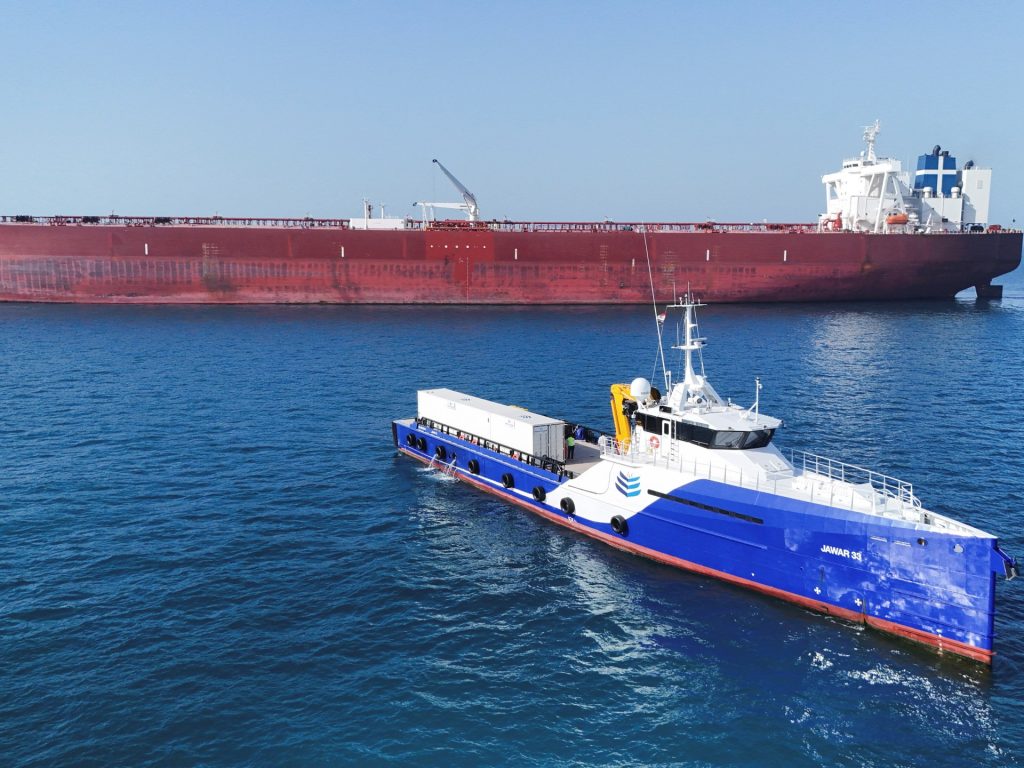
Iran’s Islamic Revolutionary Guard Corps Navy (IRGC) has declared the Strait of Hormuz closed, stating that any ship attempting to navigate the waterway will be targeted. This announcement marks a significant reversal from just 24 hours earlier when the critical shipping lane was reopened. According to Al Jazeera, the IRGC’s statement emphasizes that the closure will remain in effect until the United States lifts its naval blockade on Iranian vessels and ports, which Iran claims violates a ceasefire agreement in the ongoing US-Israel war on Iran.
In a televised interview, Mohammad Bagher Ghalibaf, Iran’s parliament speaker, asserted that the Strait of Hormuz is firmly under Iranian control, dismissing the US blockade as a clumsy and ignorant decision. The IRGC warned that any vessel approaching the strait would be considered as collaborating with the enemy and would face consequences.
The announcement follows a brief period of reopening the strait, which had led to a drop in global oil prices as Iranian officials indicated that the waterway was open for commercial shipping. However, the situation escalated quickly, with reports of Iranian gunboats firing upon two commercial vessels in the strait, including two Indian-flagged ships.
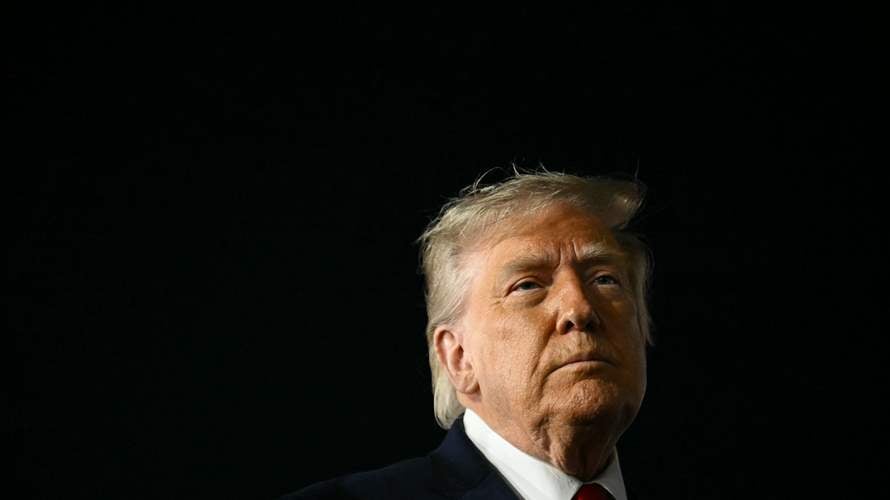
US President Donald Trump responded to the situation by stating that Iran could not blackmail the United States and warned that the naval blockade would remain in full effect. He also indicated that he would terminate the ceasefire if no agreement is reached before its expiration on Wednesday. Iranian Supreme Leader Mojtaba Khamenei added that the navy is prepared to inflict new bitter defeats on its enemies.
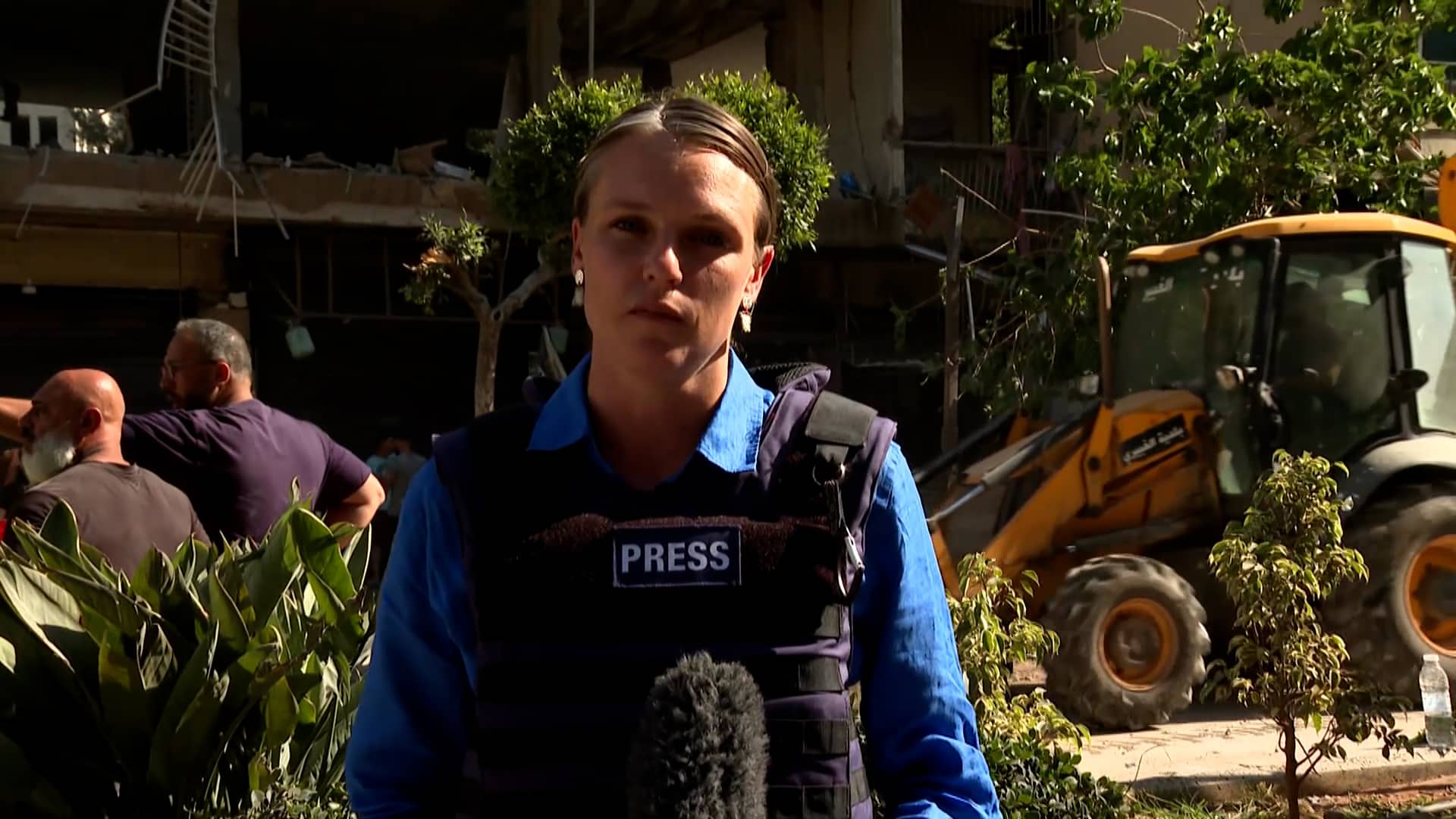
The recent developments have led to a return to previous tensions, with Al Jazeera correspondent Zein Basravi noting that expectations for a breakthrough in the conflict have been dashed. The situation underscores the complexities of negotiations, with both countries seemingly reinstating their respective blockades in a standoff that continues to impact global shipping and oil markets.