












Arabic version: ضربات الطائرات المسيرة الإيرانية تضرب مصفاة النفط الكويتية مرة أخرى
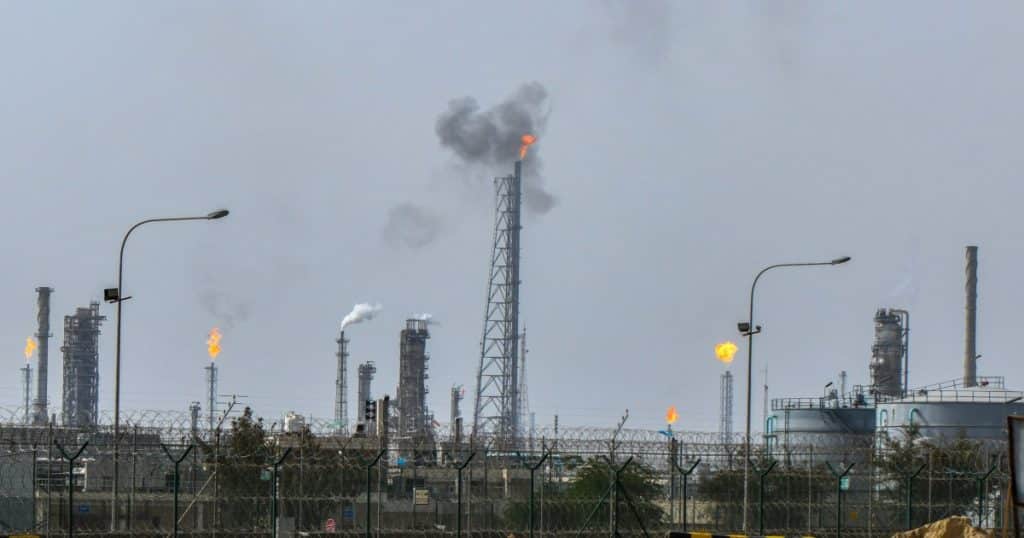
Kuwait’s Mina al-Ahmadi refinery has come under drone attacks from Iran for the second consecutive day, coinciding with a broader Iranian assault on energy infrastructure across the Gulf. Fires erupted in multiple units of the refinery, which processes about 730,000 barrels of oil per day, as Kuwait marked Eid al-Fitr, the festival concluding the holy month of Ramadan. According to Al Jazeera, Kuwait’s national oil company reported that several units were shut down but confirmed no casualties.
The attacks are part of a retaliatory campaign by Iran following an Israeli strike on its South Pars gas field earlier in the week. The Iranian Islamic Revolutionary Guard Corps claimed to have targeted U.S. forces at the UAE’s al-Dhafra airbase and other locations in Israel. Meanwhile, the UAE reported incoming missile and drone threats, with Bahrain indicating that shrapnel from what it called “Iranian aggression” ignited a warehouse fire. Saudi Arabia reported intercepting and destroying more than a dozen drones within a two-hour span.
Iranian Foreign Minister Abbas Araghchi warned that the assaults on Gulf energy infrastructure were only a fraction of Iran’s capabilities, vowing “zero restraint” if Iranian facilities were attacked again. Israeli Prime Minister Benjamin Netanyahu stated that Israel acted independently in targeting South Pars and agreed to refrain from further strikes on energy sites at the request of U.S. President Donald Trump.
The conflict has severely impacted Qatar’s Ras Laffan, the world’s largest liquefied natural gas terminal, which suffered significant damage, potentially wiping out around 17 percent of global LNG supply and costing an estimated $20 billion in annual revenue. QatarEnergy’s chief indicated that repairs could take three to five years, projecting a setback of 10 to 20 years for the region.
As the situation escalates, governments across Asia are already implementing electricity rationing and adjusting office hours. Mujtaba Rahman from the Eurasia Group warned that the conflict is entering an escalatory phase, with Asia and Europe facing the most significant risks depending on the duration of the war. Gulf leaders are reportedly striving to maintain composure as these attacks escalate, though the path forward appears increasingly precarious.