













Arabic version: إيران تقترح إعادة فتح المضيق، والرد الأمريكي متشكك
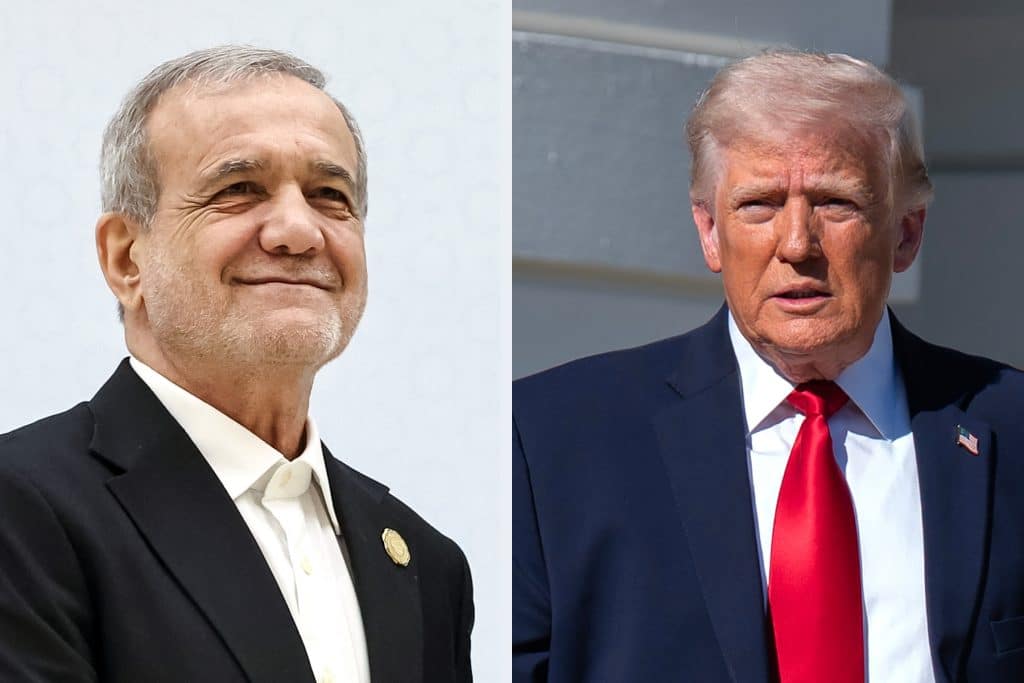
The United States is considering a new proposal from Iran to end the ongoing war during a fragile ceasefire. The offer focuses on reopening the strategic Strait of Hormuz while postponing a deal on Iran’s nuclear programme, arguably the most contentious issue between Tehran and Washington. According to Al Jazeera, the Trump administration has expressed skepticism regarding the proposal.
Iran’s proposal seeks to de-escalate tensions in the Gulf without immediately placing restraints on its nuclear activities. Tehran has conditioned the reopening of the Strait of Hormuz on the U.S. lifting its naval blockade of Iranian ports and ending the war. The blockade, imposed by the U.S. shortly after the ceasefire began on April 8, has severely restricted Iran’s oil exports and revenue.
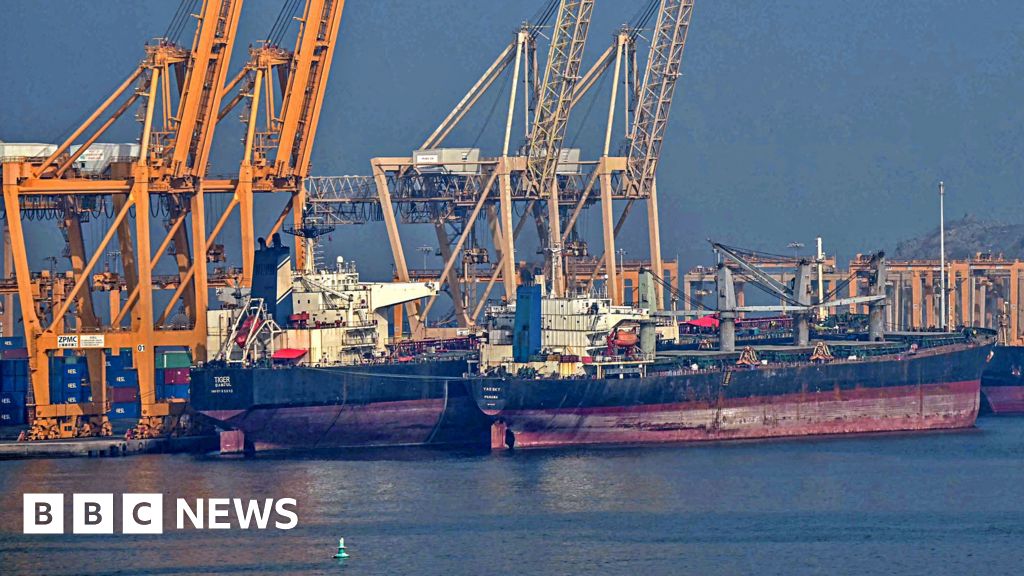
The Strait of Hormuz is crucial for global oil and liquefied natural gas shipments, making Iran’s control over it a significant factor in international energy markets. The Iranian state media reported that the proposal was communicated to Washington through Pakistan, which has been acting as a mediator in the discussions.
Iranian officials have indicated that the proposal represents a shift in their approach, moving away from previous negotiations that involved compromises on the nuclear issue in exchange for sanctions relief. Analysts have suggested that this new strategy aims to build trust and could potentially serve as a stepping stone toward a more permanent ceasefire.
However, initial reactions from U.S. officials suggest that the proposal is unlikely to be accepted in its current form. President Trump reportedly expressed dissatisfaction with the absence of provisions regarding Iran’s nuclear program. Secretary of State Marco Rubio acknowledged the proposal’s relative merit but raised concerns about ensuring that any agreement effectively prevents Iran from developing nuclear weapons.
As both the U.S. and Iran navigate these complex negotiations, the international community watches closely, with European allies expressing growing impatience with the ongoing stalemate. The situation remains fluid as both sides weigh their options in pursuit of a resolution.