













Arabic version: وصول أراغشي إلى جنيف للجولة الثانية من المحادثات النووية مع الولايات المتحدة
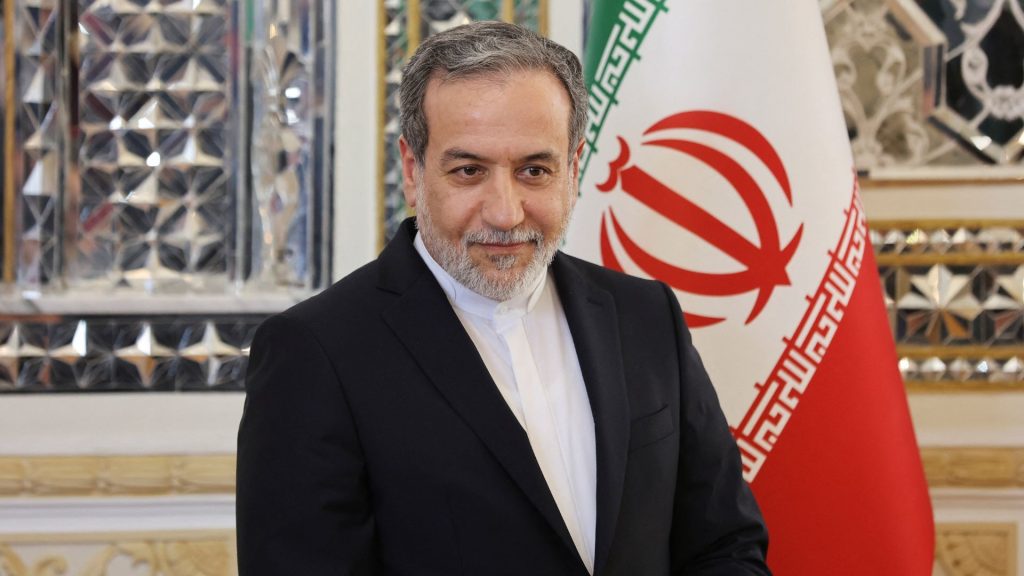
Iran’s Deputy Foreign Minister Abbas Araghchi arrived in Geneva on Wednesday for the second round of nuclear negotiations with the United States, aimed at reviving the 2015 nuclear deal. This round of talks comes amid heightened tensions between Tehran and Washington, following the US withdrawal from the agreement in 2018 under former President Donald Trump. The negotiations, which also involve other parties to the original deal, including Russia, China, France, the UK, and Germany, are being held in the backdrop of ongoing discussions about Iran’s nuclear program and its implications for regional security.
Araghchi stated that the Iranian delegation is prepared to engage in serious discussions, emphasizing the need for a comprehensive solution that addresses the concerns of all parties involved. The talks are expected to focus on how to bring the United States back into compliance with the agreement and how to lift the sanctions that have severely impacted Iran’s economy.
The 2015 nuclear deal, formally known as the Joint Comprehensive Plan of Action (JCPOA), was designed to limit Iran’s nuclear activities in exchange for relief from economic sanctions. However, after the US exit, Iran began to gradually breach the terms of the agreement, raising concerns among the international community about the potential for nuclear proliferation.
As the negotiations progress, both sides face pressure from various domestic and international stakeholders. The Biden administration is under scrutiny from Congress, where some lawmakers are skeptical about the prospects of a new deal, while Iran’s leadership is dealing with internal dissent and public discontent over economic hardships exacerbated by the sanctions.
The first round of talks, held earlier this month, laid the groundwork for the current discussions, with diplomats expressing cautious optimism about the potential for progress. However, significant challenges remain, including disagreements over the sequencing of sanctions relief and Iran’s nuclear activities.
Analysts suggest that both sides may need to make concessions to reach a mutually acceptable agreement. Iran has indicated a willingness to return to compliance with the JCPOA if sanctions are lifted, while the US has signaled its readiness to engage in negotiations aimed at addressing Iran’s nuclear ambitions and regional activities.
As the second round of talks unfolds, the international community is closely monitoring the developments, with hopes that a diplomatic resolution can be achieved to prevent further escalation of tensions in the Middle East. The outcome of these negotiations could have far-reaching implications for global security and the future of nuclear non-proliferation efforts.