












Arabic version: سوق الإسكان في إيران يواجه أزمة حادة في القدرة على التحمل
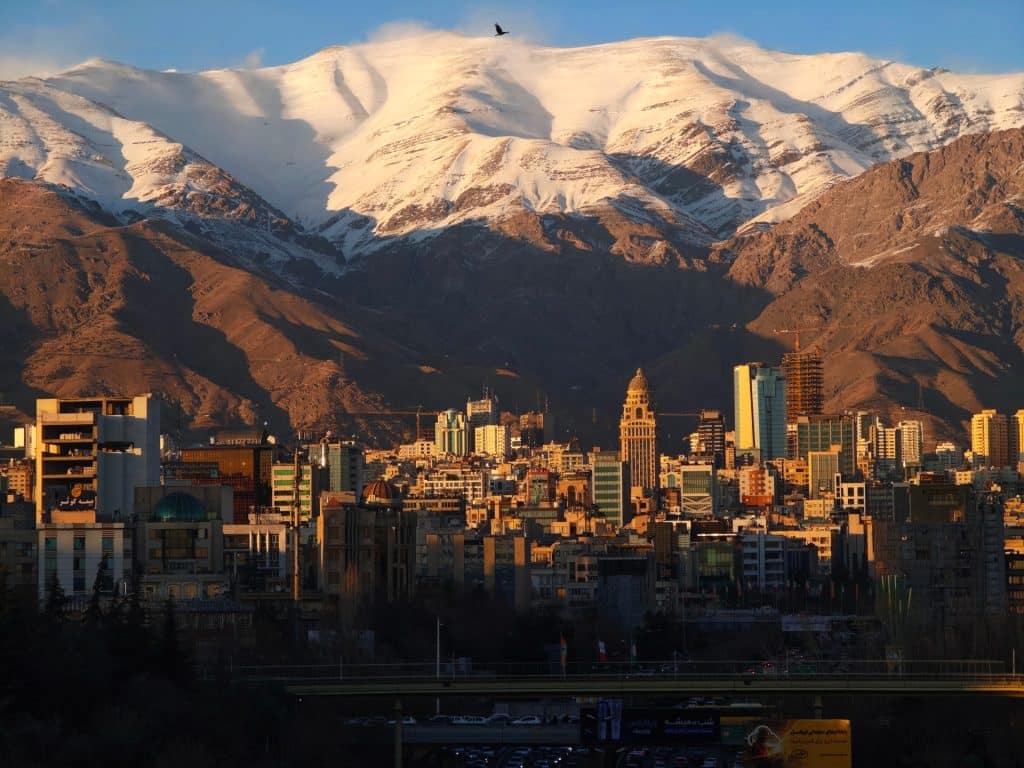
High prices in Iran’s housing market are leaving tenants with limited options, as evidenced by the recent experience of Mohammad, a 29-year-old resident of western Tehran. When renewing his tenancy contract, he faced a rent increase from 130 million rials ($73) to 230 million rials ($130). According to Al Jazeera, the monthly minimum wage in Iran is about $90, which can go to $120 after accounting for government-issued subsidies, electronic coupons and marriage or housing-related allowances, complicating the ability of many to afford housing.
Most tenants are reported to be living below the poverty line, with average family income estimated at around 700 million rials ($400) monthly. Mohammad expressed a sense of relief at being able to extend his lease, noting that more affordable housing options would necessitate significant compromises, such as commuting long distances or settling for smaller, older units.
The Statistical Center of Iran reported a 31 percent year-on-year increase in rents during Farvardian, the first month of the Persian calendar, which ended on April 20. In Tehran, local media and realtor associations indicate that prices have surged 30 to 40 percent compared to the previous year. This rise is exacerbated by ongoing economic challenges, including high inflation, which reached 73 percent in the same month.
A Tehran real estate agent revealed that uncertainty stemming from the ongoing conflict has led to fewer housing contracts being signed. Many individuals are seeking housemates to share expenses or are moving back to smaller cities or with family. The rising cost of construction materials has also halted some building projects, further constraining the market.
Government measures to address the crisis have included a cap on annual rent increases set at 25 percent, though this has not effectively controlled prices. Limited financial support for tenants, including loans for rental deposits, has proven inadequate for many, particularly in Tehran. Emergency relief has been provided to those affected by the war, but the overall housing market remains in a precarious state, with expectations of further price increases as economic conditions fluctuate.