












Arabic version: غارات جوية إسرائيلية تقتل عمال إنقاذ في جنوب لبنان
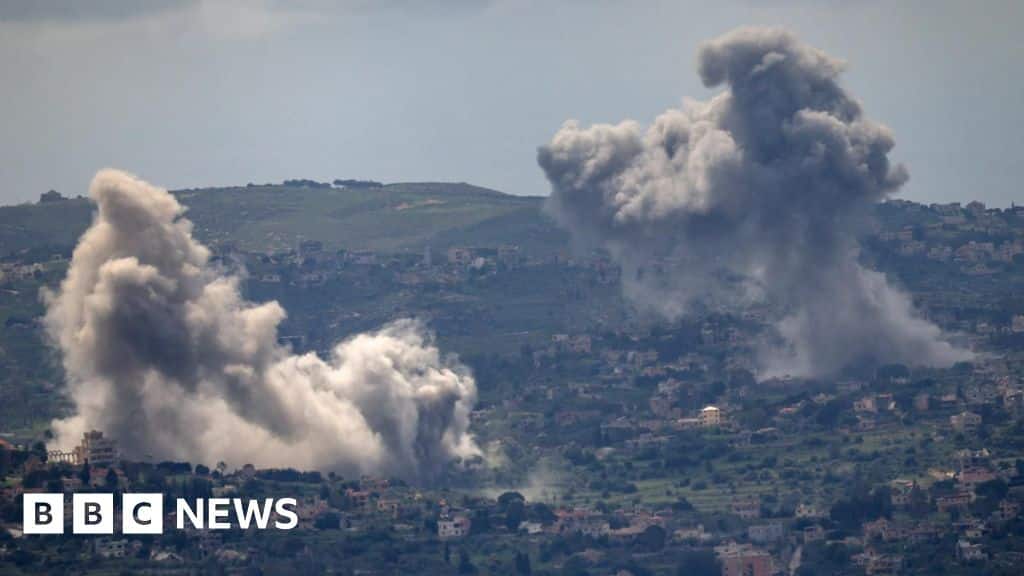
Two successive Israeli air strikes in southern Lebanon resulted in the deaths of five individuals, including three emergency workers, according to Lebanese officials. The attacks occurred on Tuesday in the town of Majdal Zoun, where the rescue workers were responding to casualties from the first strike when they were trapped under rubble from the subsequent attack.
The Lebanese health ministry confirmed the fatalities of the three members of the Lebanese Civil Defense, a state-run emergency service. The ministry did not disclose the identities of the two other victims, but reported that two Lebanese army soldiers were also injured in the strikes. According to BBC News, the Israeli military has previously failed to explain its attacks on health professionals during rescue operations.
This tactic, known as a “double tap,” involves an initial strike followed by another, often targeting civilians and rescuers. Human rights organizations have noted that such deliberate attacks could amount to war crimes. Since the onset of the conflict with Hezbollah on March 2, over 2,500 people have died in Lebanon, including 103 health professionals, as reported by the Lebanese health ministry.
Lebanon’s Prime Minister Nawaf Salam condemned the targeting of rescue workers as a “war crime” and criticized Israel for ongoing violations of the ceasefire agreement currently in place. Despite a US-brokered ceasefire that has reduced hostilities, fighting continues, particularly in southern Lebanon, where Israeli air strikes have reportedly targeted Hezbollah infrastructure.
Hezbollah has claimed to respond to Israeli violations, conducting rocket and drone attacks against Israeli forces. The ongoing conflict has led to significant casualties on both sides, with numerous reports of attacks on health workers and emergency responders, raising concerns about the humanitarian implications of the conflict.