












Arabic version: تصعيد الهجمات الإسرائيلية على المدارس في الضفة الغربية
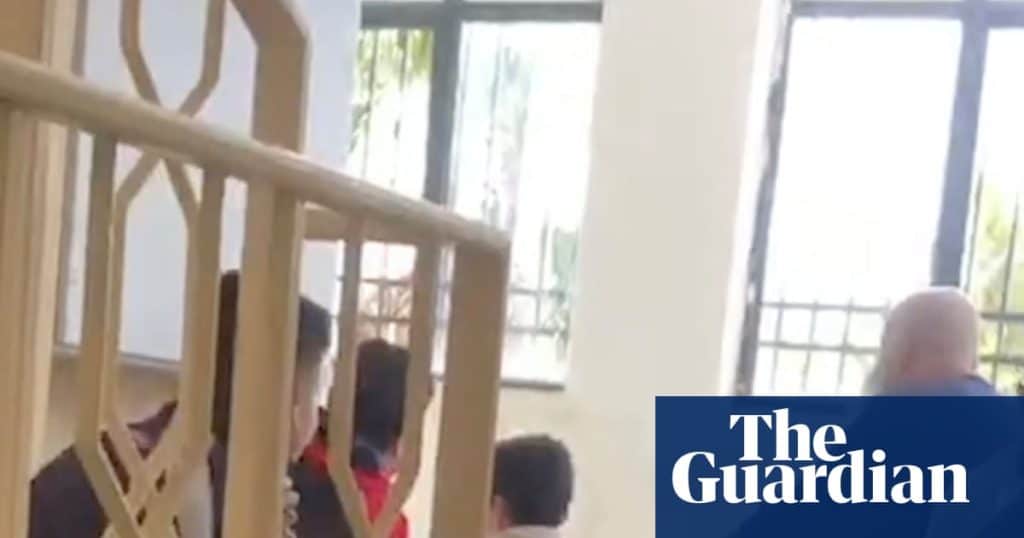
Israeli militants have escalated their attacks on schools in the West Bank, with the recent shooting of 14-year-old Aws al-Naasan marking a tragic peak in violence against educational institutions. Aws was shot in the head just outside the Mughayyir boys’ secondary school, where he was studying in ninth grade. According to The Guardian, the incident unfolded as Aws’s classmates rushed to his side, carrying his now-limp body away from the line of fire.
The violence did not stop with Aws; the same gunman, a reservist in partial military uniform, also shot and killed Jihad Abu Naim, the younger brother of an English teacher at the school. This brutal attack has left the Mughayyir community reeling, prompting a suspension of classes as parents weighed the risks of sending their children back to school.
The situation in the region has deteriorated, with education under siege across occupied Palestine. Reports indicate that in Gaza, over 600,000 school-age children are nearing the end of a third year without formal education due to ongoing violence. The United Nations has documented the deaths of at least 792 teachers and 18,639 students in Israeli attacks, along with significant damage to school infrastructure.
In addition to the shootings, settlers have targeted schools directly, demolishing a British- and European-funded school in a neighboring village hours after Aws’s death. Such actions are part of a broader pattern of violence aimed at Palestinian educational facilities, with communities feeling increasingly unsafe.
Local residents describe the ongoing attacks as part of a campaign to displace Palestinian families from their homes. Rights groups, such as B’Tselem, have criticized the Israeli military for its role in these incidents, stating that the actions of both soldiers and settlers contribute to a climate of impunity and fear for Palestinian students and their families.