













Arabic version: الجيش الإسرائيلي ينفذ ضربات ضد الجهاد الإسلامي في شرق لبنان
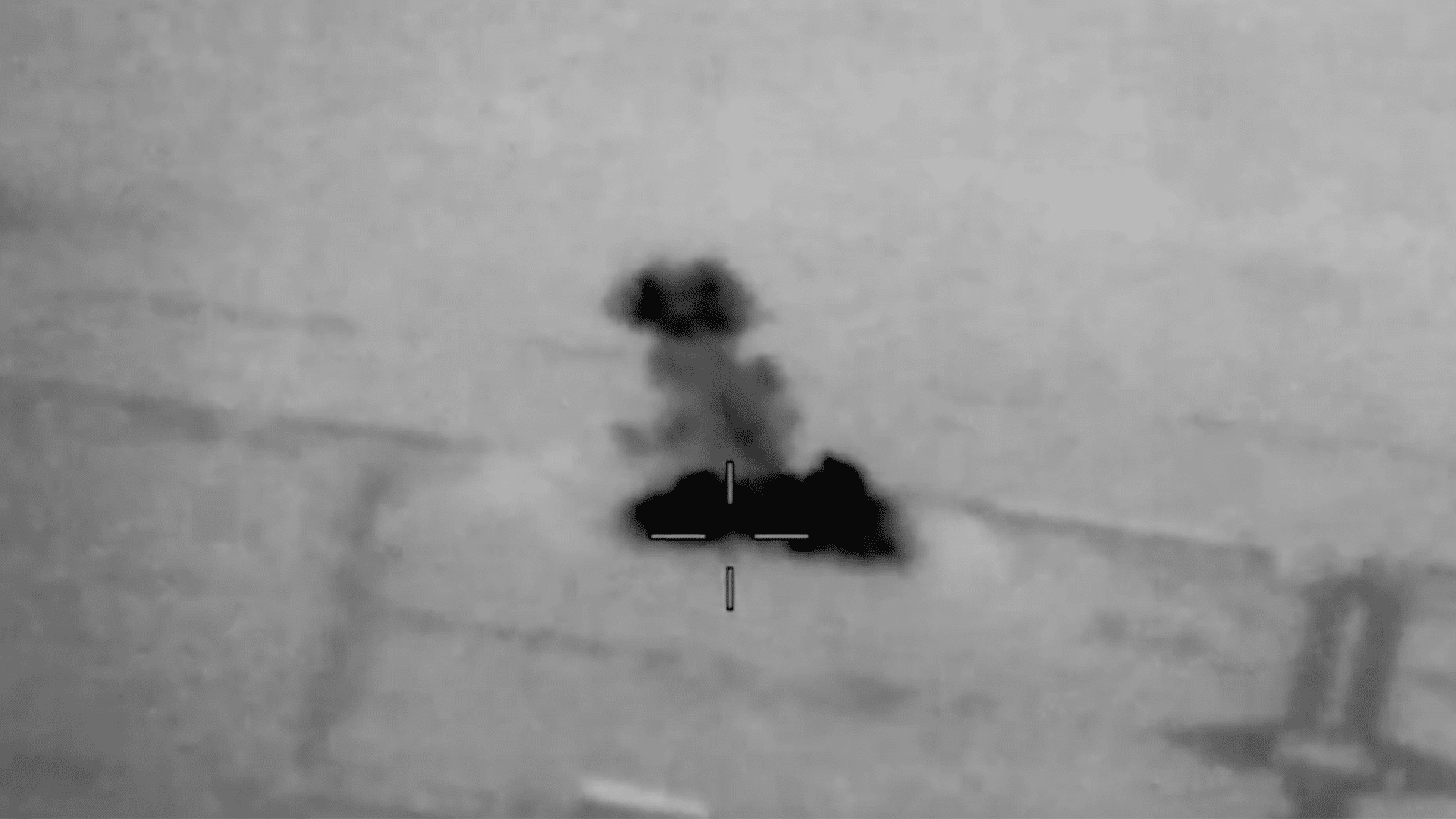
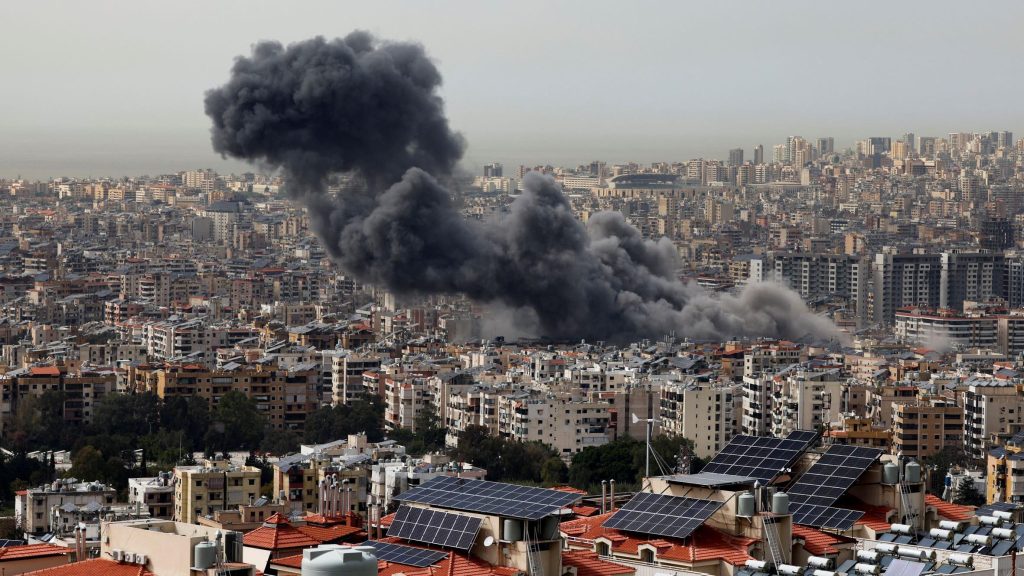
The Israeli military announced on Monday that it has conducted airstrikes targeting Islamic Jihad gunmen in eastern Lebanon. This operation is part of Israel’s ongoing efforts to counter threats from militant groups operating along its northern border. The strikes occurred in the wake of escalating tensions between Israel and various armed factions in the region, particularly in the context of recent hostilities that have raised concerns over regional stability.
According to the Israeli Defense Forces (IDF), the operation was a response to perceived threats from Islamic Jihad, an Iranian-backed militant group that has been active in both Lebanon and the Palestinian territories. The IDF stated that the targeted strikes aimed to neutralize specific individuals involved in planning attacks against Israel.
Local reports indicate that the strikes resulted in significant damage to the targeted locations, although the full extent of casualties has yet to be confirmed. The Lebanese Army has reportedly been on high alert following the strikes, underscoring the potential for further escalation in the area.
The cross-border tensions are not new, as Israel has long maintained a policy of preemptive strikes against groups it deems a threat. However, the recent escalation comes amidst a backdrop of heightened conflict in the region, particularly following the Israel-Hamas war that reignited in October 2023. Both sides have engaged in exchanges of fire, and the situation remains volatile.
In response to the Israeli strikes, Islamic Jihad vowed to retaliate, promising that the group would not remain silent in the face of aggression. This statement reflects the ongoing cycle of violence that has characterized the Israel-Lebanon border for decades, with both sides accusing each other of provocations.
The international community has expressed concern over the potential for further escalation, urging both Israel and militant groups to exercise restraint. The United Nations has called for a de-escalation of hostilities, emphasizing the need for dialogue to resolve the underlying issues that have perpetuated the conflict.
As the situation develops, residents in eastern Lebanon are left to navigate the uncertainties of living in a region marked by conflict. The strikes have served as a stark reminder of the fragile security situation in Lebanon and the broader Middle East, where the specter of war looms large amid ongoing geopolitical tensions.