












Arabic version: توسع إسرائيل في لبنان يثير تساؤلات حول دور اليونيفيل
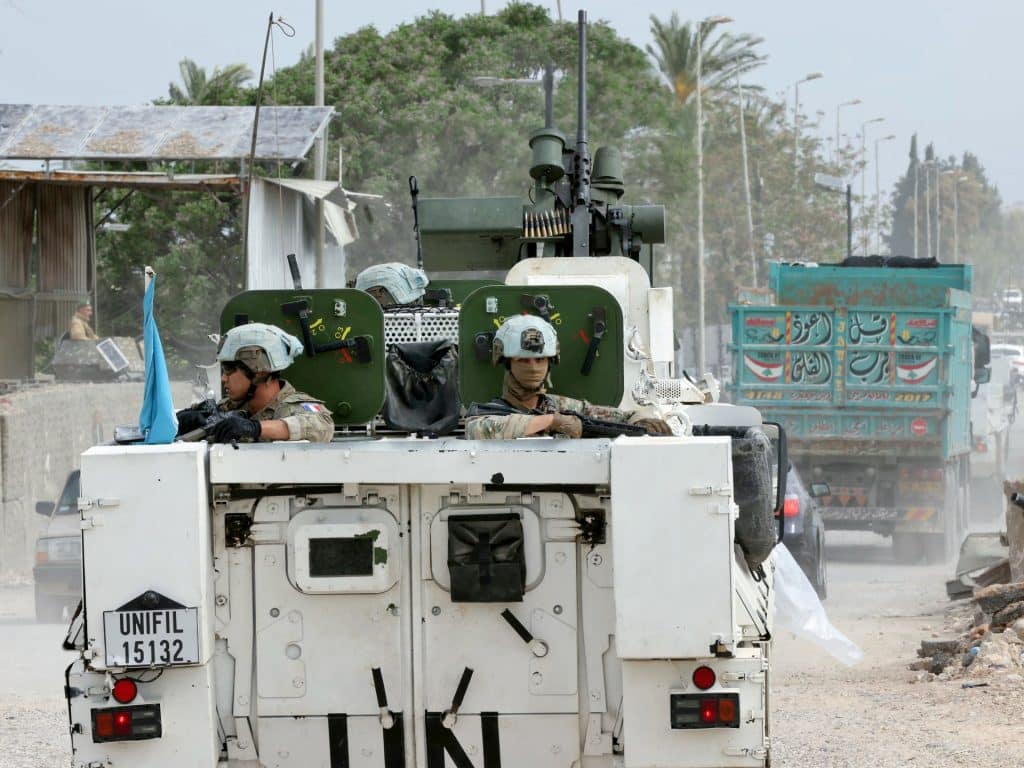
Israel has advanced deeper into Lebanese territory than at any point since it ended a nearly two-decade occupation of the country’s south in 2000, prompting scrutiny over the effectiveness of the United Nations Interim Force in Lebanon (UNIFIL). The UNIFIL mandate is set to expire on December 31, 2026, after nearly five decades of peacekeeping in the region. According to Al Jazeera, the UN’s inability to prevent Israel’s recent incursions has led to mounting criticism regarding its operational capabilities.
UNIFIL has faced backlash from both Israel and Lebanese factions. Israel accuses the force of failing to disarm Hezbollah, while Hezbollah claims UNIFIL operates in favor of Israeli interests. Imad Salamey, a Lebanese political analyst, noted that both sides utilize these criticisms to shape public opinion and bolster their respective narratives about security and sovereignty.
The situation escalated after Hezbollah retaliated against Israeli attacks on March 2, leading to an intensified Israeli military campaign. Since then, the Lebanese Ministry of Health reports over 3,412 casualties and the displacement of more than 1.2 million people. Israel has repeatedly violated a 2024 ceasefire agreement, further complicating the region’s stability.
UNIFIL, established during the first Israeli invasion of Lebanon in 1978, has primarily focused on monitoring and reporting rather than enforcing peace. The force’s operational constraints have been exacerbated by hostility from both Israel and Hezbollah. Diplomatic sources indicate that Israel has actively sought to limit UNIFIL’s oversight capabilities, creating a challenging environment for peacekeeping efforts.
As discussions between Lebanese and Israeli officials are set to resume in Washington, the ongoing conflict and questions surrounding UNIFIL’s future remain unresolved. European diplomats express a desire to maintain some form of monitoring presence in Lebanon post-UNIFIL, but concerns about a potential security vacuum loom large. Analysts emphasize that without a broader political consensus, any peacekeeping efforts will struggle to bring lasting stability to southern Lebanon.