










Arabic version: سياسات الشرطة الإسرائيلية تواجه تدقيقًا مع تصاعد العنف
Israel’s National Security Minister Itamar Ben-Gvir has announced a national operation to combat rising youth violence following the recent killing of a former Israeli soldier, Yemanu Binyamin Zalka. He declared, “This will be a total war” against those who harm Israeli civilians. However, critics argue that the government’s response to violence in Palestinian-majority towns has been inadequate and reflects a two-tier policing system.
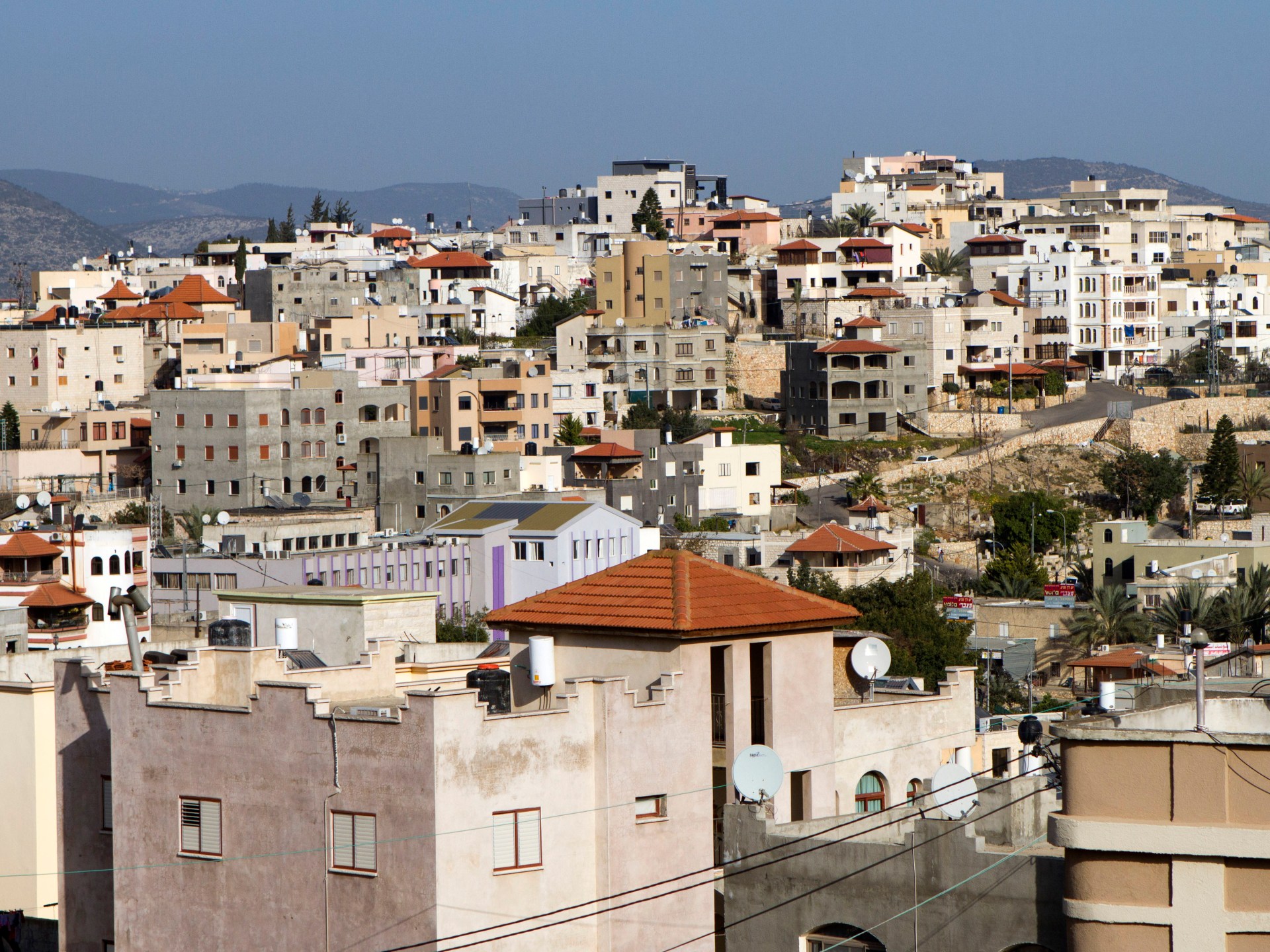
According to Al Jazeera, almost 100 people have died due to escalating violence in these communities, which has cost the country up to $6.7 billion annually. The murder rate in Palestinian areas has surged dramatically since Ben-Gvir took office, rising from 4.9 per 100,000 in 2020 to 11 per 100,000, comparable to murder rates in conflict zones like Sudan and Iraq.
Critics claim that the Netanyahu administration, particularly under figures like Ben-Gvir, has exacerbated the situation by failing to provide adequate policing and resources in Palestinian communities. Lawmaker Aida Touma-Suleiman highlighted the lack of police presence in these areas, stating, “It would never occur to the police that they should provide a service to Arab neighbourhoods.”
The government has faced backlash for reallocating funds from economic development programs for Palestinian citizens to increase policing efforts. Palestinian citizens, who make up around 21 percent of Israel’s population, have long experienced economic disadvantages and chronic underinvestment, which have contributed to the rise of local criminal networks.
Experts suggest that the government’s inaction allows these networks to flourish, with some asserting that the state benefits from the chaos, using it to reinforce negative stereotypes about Arab society. As criticism mounts, even within mainstream Israeli discourse, the effectiveness of Ben-Gvir’s approach to national security is increasingly questioned.