












Arabic version: كاشكاري: التضخم لا يزال مرتفعًا أكثر من اللازم
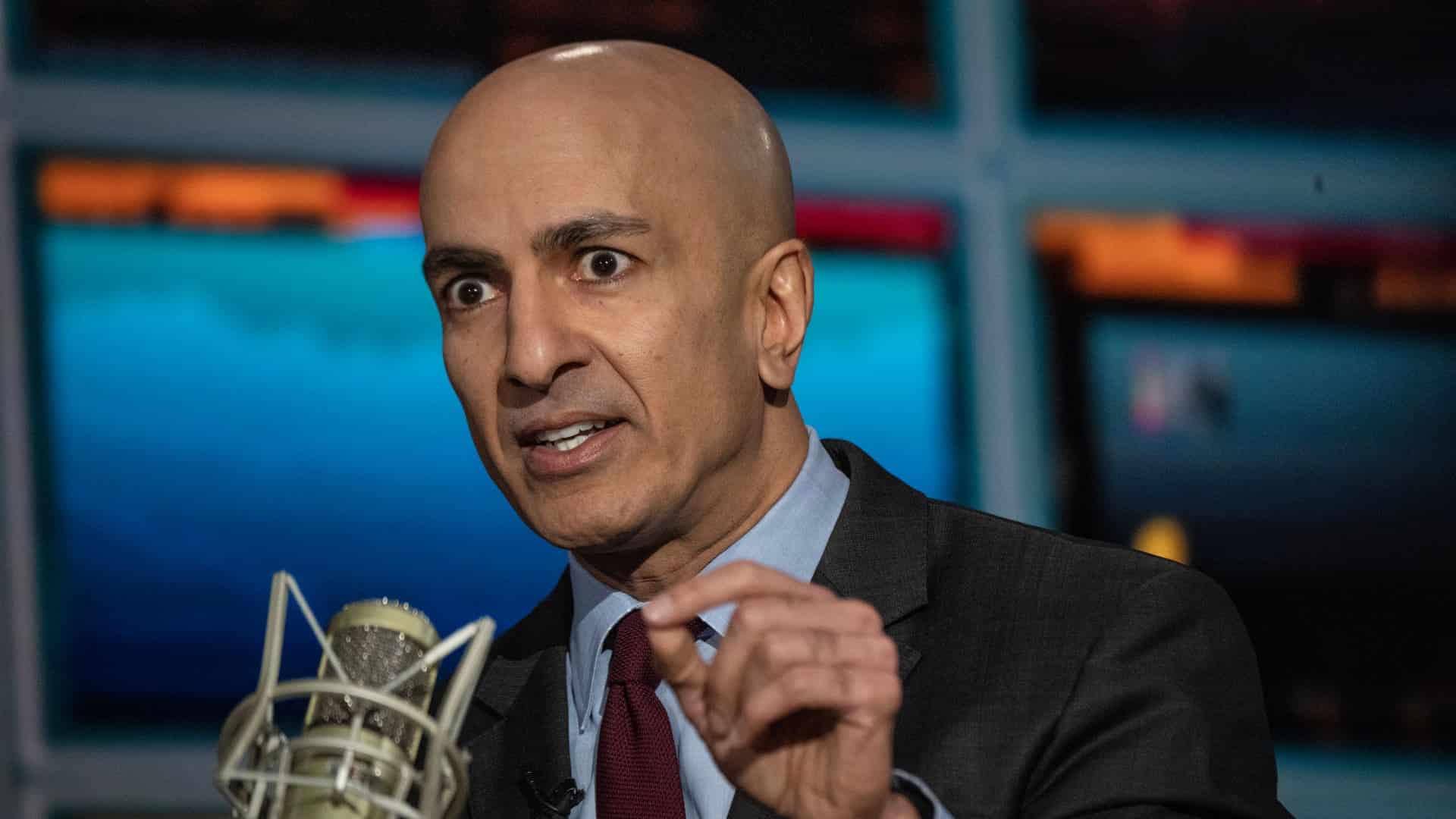
According to Cnbc, Minneapolis Federal Reserve President Neel Kashkari said inflation remains a concern even after the latest personal consumption expenditures data came in cooler than economists had expected. In an interview with CNBC’s Steve Liesman at a Council on Foreign Relations event in New York, Kashkari said, “Inflation is still too high.”
The Fed’s preferred inflation gauge showed that the core personal consumption expenditures price index, excluding volatile food and energy prices, rose 3% on an annual basis in August. Kashkari said inflation is running at around a 3% rate and has been elevated for more than five years. He said the day’s inflation data did not change his assessment very much.
He also pointed to data on consumer spending and gross domestic product, saying the economy is “resilient.” Kashkari described the labor market as “pretty good,” though not “great,” after ADP reported that private payrolls expanded more than economists predicted in September. He said a past conversation with a labor union leader, who viewed inflation as worse than a recession for members, influenced his view of the trade-offs between price stability and employment.
Kashkari said the economy’s durability through recent shocks had led him to raise his estimate for the neutral federal funds rate to 3.25%. He said the rate may be temporarily higher because of demand for investment capital tied to the artificial intelligence boom. If AI investment succeeds, it could improve U.S. productivity, he said, but he cautioned that investment may not produce the intended results or may take longer than hoped.
“The fruits have not yet borne out,” Kashkari said. He warned that investment that is not as productivity-enhancing as assumed could amount to malinvestment and carry broader economic consequences. While Fed rate increases may not slow hyperscalers by much, he said higher borrowing costs could still help affect other parts of the economy.