










Arabic version: تغريم رجل من كاينتون بسبب مجموعة للحياة البرية
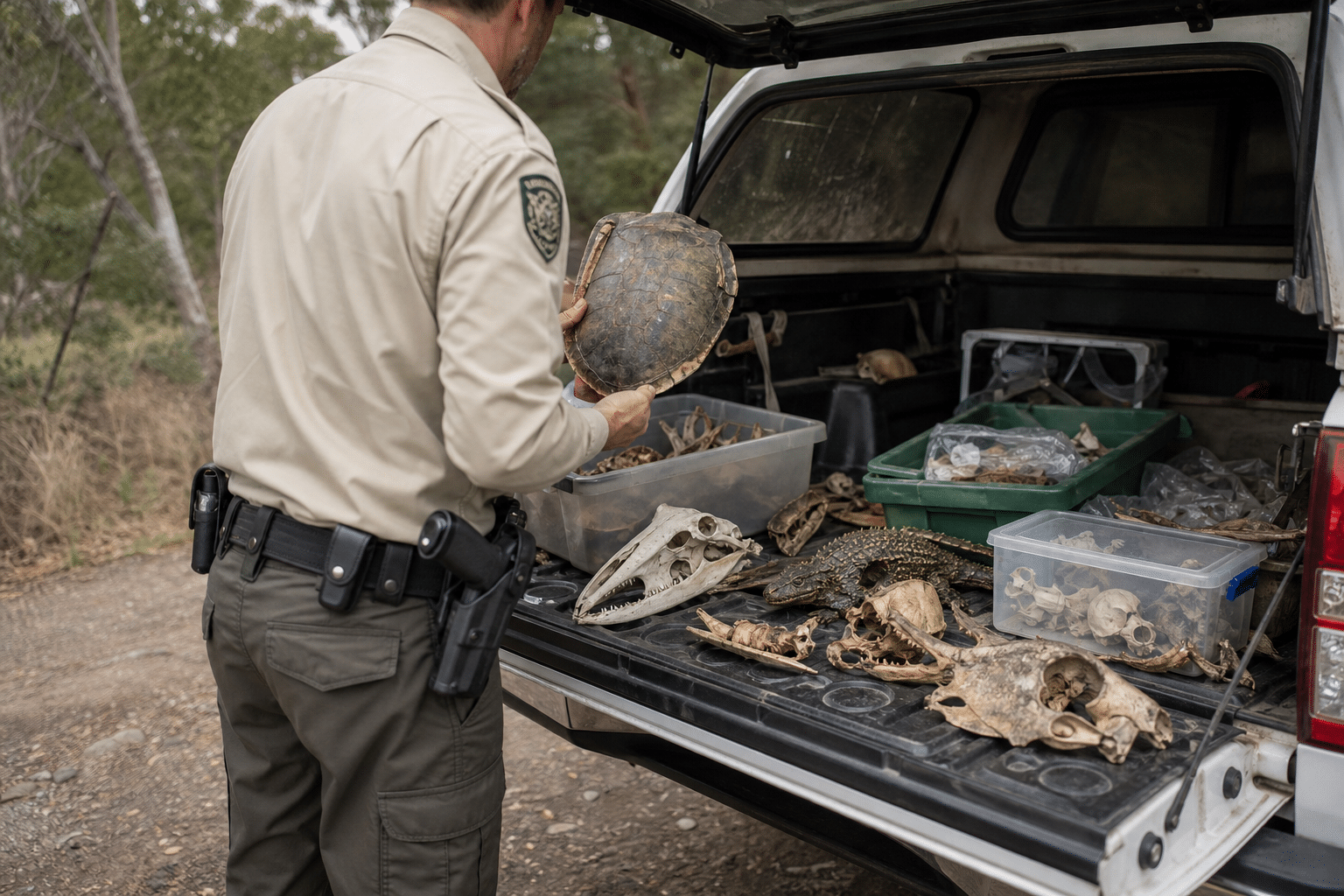
According to ABC News, Glenn Richard Rollo, 74, has been fined $10,000 after more than 700 dead animals were found at his home and antiques business in Kyneton, central Victoria. Rollo was sentenced in the Kyneton Magistrates’ Court after pleading guilty to wildlife and animal welfare charges.
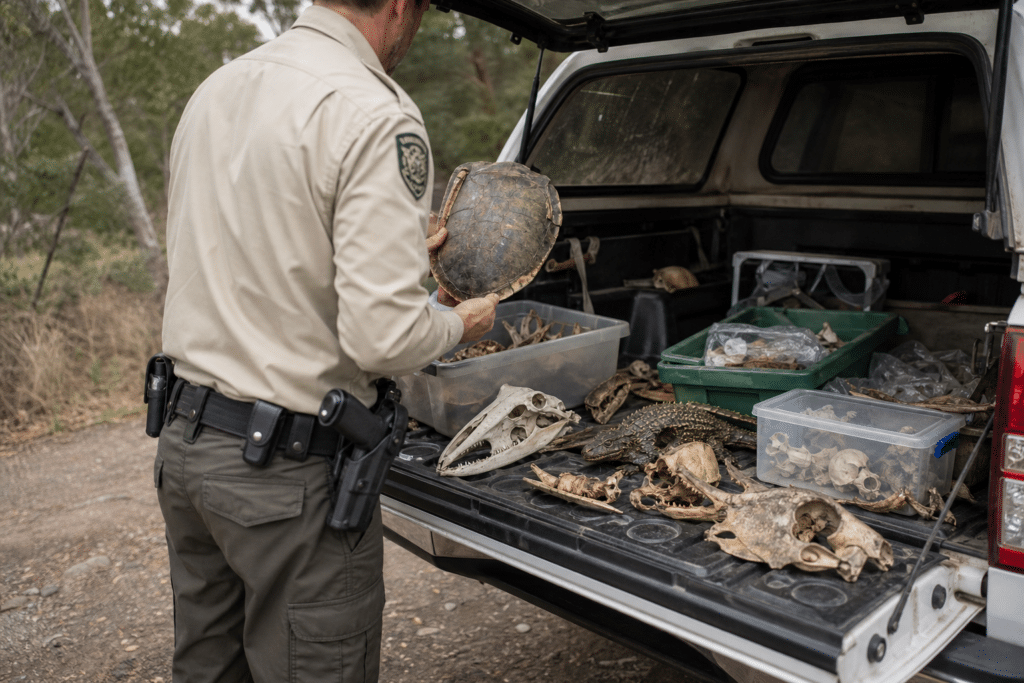
The Conservation Regulator said taxidermied and frozen animals were found across the two properties last year during a major investigation into the illegal wildlife trade. The discoveries included 78 emus, 42 brushtail possums and 26 echidnas, along with remains of threatened species including the barking owl, diamond python and Murray River short-necked turtle.
Investigators also found 15 live reptiles, including native snakes and turtles. North American red-eared slider turtles and corn snakes were also located; they are prohibited pest animals in Victoria and cannot be kept without authorisation. Rollo pleaded guilty to 13 charges, including selling and possessing protected and threatened wildlife, failing to provide treatment to a sick animal, and failing to keep wildlife in a suitable enclosure.
Magistrate Patrick Southey said a $15,000 fine would have been imposed if Rollo had not pleaded guilty. Conservation Regulator director of regulatory operations Cal Heppell said people who kept, traded or possessed wildlife had to comply with the law, adding that the case showed why Victoria had strong protections for wildlife and animal welfare.
Victorian Animal Justice Party MP Georgie Purcell said the case had horrified local people and described the penalty as appalling. She said it did not send a message that disrespect towards wildlife would not be tolerated, and called the case an example of Victoria’s wildlife protection laws failing. The government last year released its response to an independent Wildlife Act review, introducing higher maximum penalties and new wildlife-crime offences.