











Arabic version: لبنانيون يشككون في أن تغيّر الانتخابات الإسرائيلية سياسة الاحتلال
According to Al Jazeera, many people in Lebanon do not expect Israel’s October 27 election to produce a meaningful change in Israeli policy towards Lebanon or end the occupation of the south. Beirut resident Fouad Debs said a change in Israeli leadership was unlikely to bring major change, while analyst Karim Safieddine said no candidates were promising a withdrawal or treating southern Lebanon as a crisis.
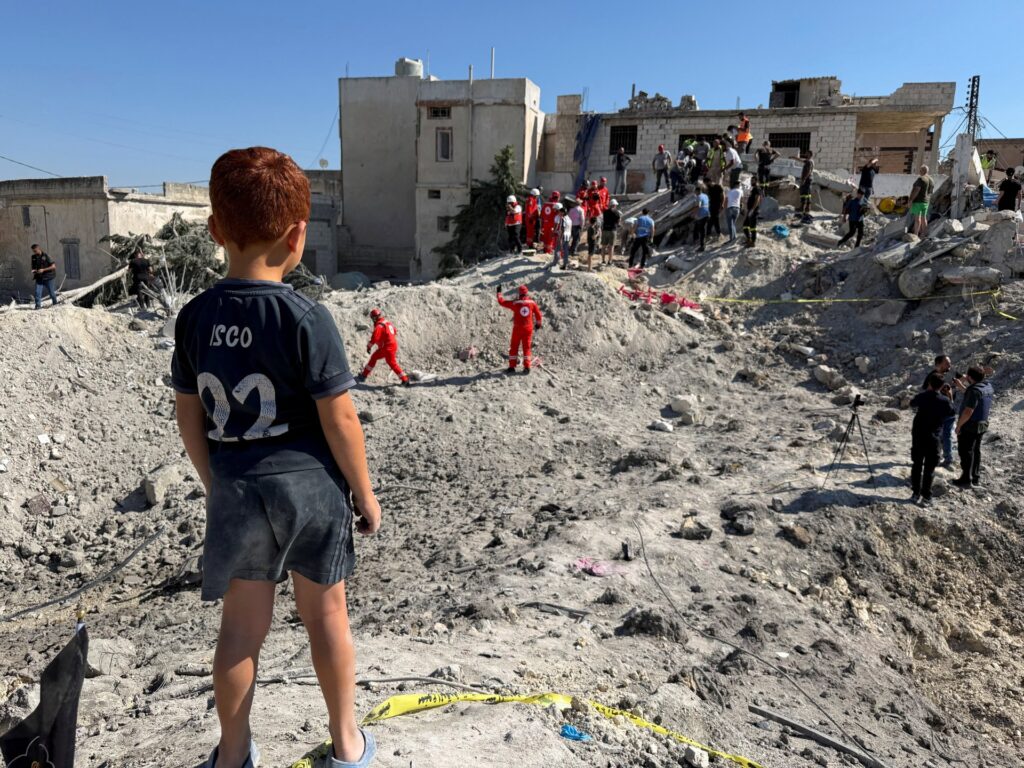
Israel and Hezbollah have fought at varying levels of intensity since October 2023. Israel escalated the conflict in September 2024 and again in March 2026, following the start of the United States-Israeli war on Iran. In June, Israel and the Lebanese government signed a US-brokered framework agreement that included a goal of phased Israeli withdrawal, although Hezbollah rejected direct negotiations. Israel continues to occupy large parts of southern Lebanon and has demolished homes and infrastructure in dozens of villages, forcing more than one million people from their homes.
A June 2026 survey by Lebanese American University professor Jad Melki and his team found differing views on how Lebanon should deal with Israel. It reported that 54 percent supported diplomacy and 35 percent preferred armed resistance. However, 87 percent of respondents described Israel as their enemy.
Prime Minister Benjamin Netanyahu’s main challenger is reported to be Gadi Eisenkot, leader of the Yashar party. Eisenkot, a former Israeli army chief of staff, served as northern front commander during Israel’s 2006 war on Lebanon and is identified as the architect of the Dahiyeh Doctrine. He has also argued that Israel should attack Hezbollah targets anywhere in Lebanon.
Lebanese researcher Elia Ayoub said criticism of Netanyahu by election candidates has largely focused on domestic matters and security rather than humanitarian or human rights concerns. Safieddine described the current situation as neither war nor peace, warning that Lebanon could remain in a prolonged grey area. Ayoub said the US midterm polls on November 3 could be equally or more important in shaping how emboldened Israel feels towards Palestinians, Lebanon and Syria.