












Arabic version: اتفاق لبنان وإسرائيل يثير صرخات وقلق قانوني
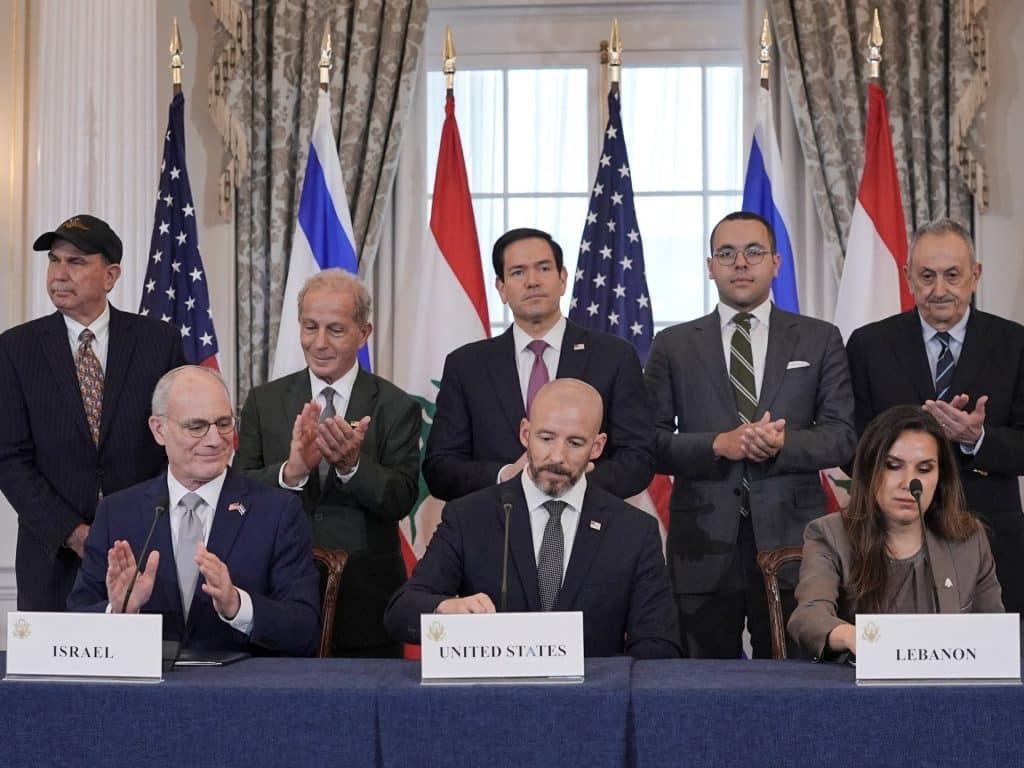
Lebanon has effectively entered into a declaration of intent with Israel, a move that has ignited widespread condemnation from various political factions within Lebanon, including Hezbollah and its allies. Protests erupted in the streets, and media criticism followed swiftly after the agreement was signed on June 26, 2026, by Lebanon’s ambassador to the US, Nada Hamadeh, and Israel’s ambassador, Yechiel Leiter, at the State Department in Washington. According to Al Jazeera, the document has been criticized for its unrealistic nature and potential to pave the way for future conflict.
Critics argue that the agreement is fraught with problems, including its politically explosive and constitutionally questionable clauses. The framework established by Lebanon is seen as difficult to implement, especially given the Lebanese state’s inability to dismantle Hezbollah’s military capabilities simply through a diplomatic text. The expectation that Lebanon should act as a sovereign state where it lacks the capacity to do so raises significant concerns about the feasibility of the agreement.
Additionally, the agreement contains clauses that could limit Lebanon’s ability to engage in international legal actions against Israel, a point of alarm for many Lebanese citizens and advocates of international law. The Lebanese government, facing intense backlash, may seek to characterize the declaration as a political understanding rather than a binding agreement, but this distinction does not resolve the substantive issues it raises.
The political ramifications of the agreement are profound. With Hezbollah and its allies poised to challenge the declaration, the potential for administrative delays and constitutional debates looms large. Critics argue that such delays could be the least dangerous option available in a volatile situation. Meanwhile, the actual decisions regarding Lebanon’s future are likely being influenced by broader regional dynamics involving the US, Iran, and other mediators, rather than the text of the agreement itself.
In summary, while the Lebanese government may believe it has secured a temporary reprieve from immediate conflict through this declaration, the implications of the agreement are complex and fraught with potential for escalation. The legal and political frameworks established by the declaration could be used to justify future military actions against Lebanon if conditions change or if Hezbollah does not comply with the terms outlined in the document.