












Arabic version: لوس أنجلوس تواجه موسم بعوض شديدًا
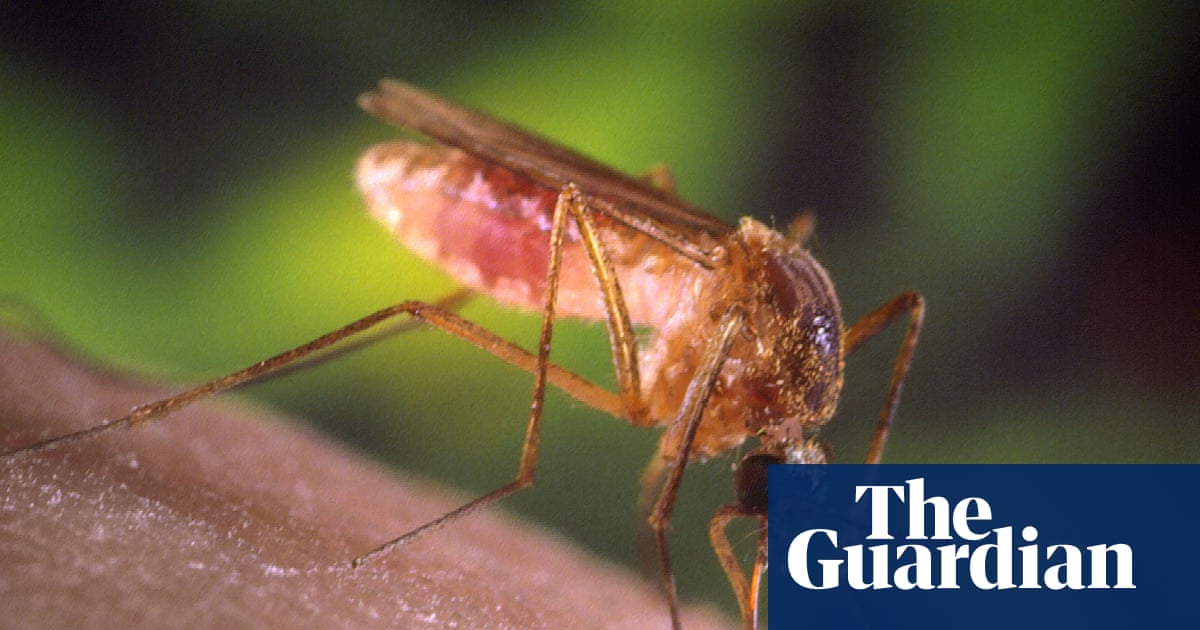
According to The Guardian, Los Angeles is experiencing one of its worst mosquito years in recent history after heatwaves, an extra-powerful El Niño, a warm winter and a humid summer created favorable conditions for the insects. The city has held the distinction of being the most mosquito-infested city in America for several years, while residents have described swarms in backyards and at outdoor dining patios.
Los Angeles county has documented more than 180 West Nile virus cases this year, its highest total in nearly a decade, according to the county public health department. Mosquito activity typically drops when overnight temperatures approach 50F, but exceptionally mild winter conditions, including heatwaves in February and March, allowed mosquitoes to remain active. Forecast rain could also create additional breeding sites, even as temperatures are expected to ease from a record-breaking heatwave that began in early October.
The region’s endemic Culex quinquefasciatus mosquito, or “quinx”, commonly bites birds and can acquire West Nile virus from hosts such as crows before spreading it to people. Orange county mosquito and vector control district officials said about 850 traps had tested positive for West Nile virus. Residents are also encountering invasive Aedes mosquitoes, known locally as “ankle biters”, which first appeared in the area in 2014. Aedes target humans, can bite multiple times and can reproduce in water pools as small as a tablespoon.
Vector control districts urge residents to remove standing water, including plant saucers and unattended pet water bowls. Authorities also use diluted adulticide in major problem areas. A separate experimental approach uses X-rays to sterilize male mosquitoes before releasing them in targeted locations; officials have reduced mosquito populations by more than 80% at some sites. The method is limited to the prominent Aedes aegypti and can be costly: a San Gabriel Valley program cost about $30,000 for 25 acres. Officials also recommend long sleeves, pants and repellents containing Deet, picaridin, IR3535, or oil of lemon and eucalyptus.