












Arabic version: الأسواق تراقب انتخابات التجديد النصفي بحثًا عن مخاطر سقف الدين
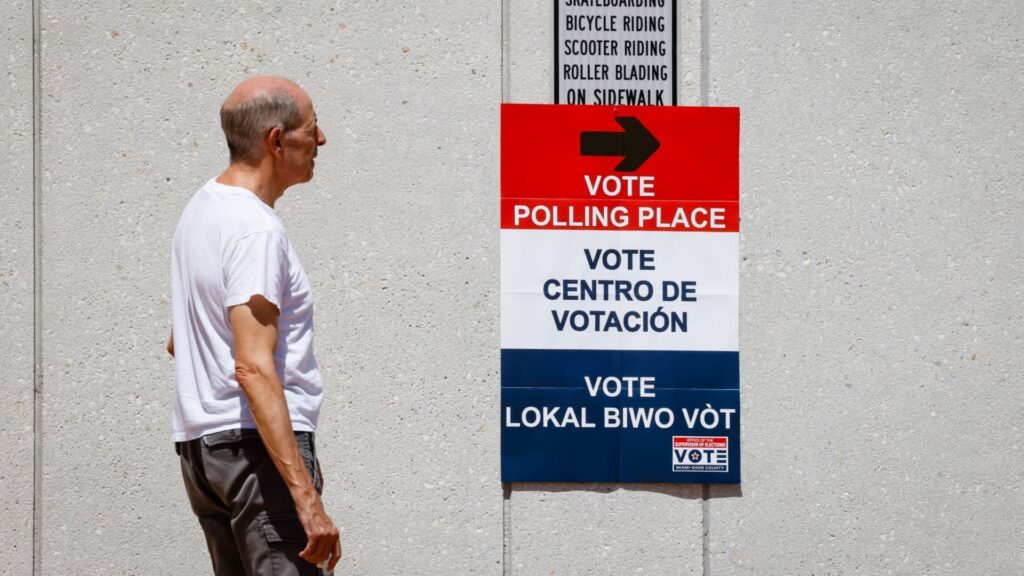
According to Cnbc, markets are beginning to focus on the 2026 midterm elections, which are 10 weeks away and could end Republican control of Congress under President Donald Trump. Democrats are favored to win at least one chamber in November and lead the generic ballot by roughly 6 percentage points, according to FiftyPlusOne. Analysts say a divided Washington could limit major non-bipartisan legislation while making basic congressional tasks harder to resolve.
Ed Mills, managing director of Washington policy at Raymond James, said investors should not assume divided government would necessarily curb market-moving policy. He said the largest policy moves of the past two years have come through executive action, and he expects Trump could become more aggressive in using it if Democrats win at least the House. Trump’s tariff campaign used emergency authority to impose broad levies; the Supreme Court later ruled that the International Emergency Economic Powers Act did not authorize those tariffs, though they remained in place for more than a year and weighed on markets.
A central concern is the $41.1 trillion debt ceiling. Most financial institutions expect the United States to reach it in midyear 2027, requiring Congress to raise or suspend the limit for the Treasury to continue borrowing and meet obligations. TD Securities said split government could make the process especially contentious, although it ultimately expects the ceiling to be raised. Molly Brooks, a TD Securities report author, said a standoff could increase market volatility and Treasury rates, particularly for bills maturing near the point at which Treasury could no longer pay its obligations.
Investors are also watching for a contested or delayed election result. TD Securities said uncertainty over control of Washington could be problematic for markets, particularly because states can count votes after Election Day and California could be important to shifts in House seats. Brooks said higher volatility could weigh on equities while prompting a flight to quality that lowers rates. Mills said investors want a clear outcome as soon as possible after votes are counted, rather than a repeat of the uncertainty surrounding the 2020 election.