












Arabic version: الهجرة ومراكز البيانات تختبران الاستراتيجية الاقتصادية لحزب العمال
According to ABC News, migration and data centres are central to Australia’s economic outlook but are also becoming difficult political issues for the federal government, as voter concerns grow over immigration, energy, water and artificial intelligence.
Migration has long contributed to economic activity through international students, workers and their spending. The latest Intergenerational Report projects annual population growth of 0.9 per cent over the next 40 years, down from an average of 1.4 per cent over the previous 40 years. Australia’s population is projected to reach 39.3 million by 2065–66.
The projections put migration at the centre of a heated political debate. One Nation and the Coalition want major cuts to immigration, while Labor has announced a plan to reduce it after sustained criticism of what opponents have described as a “mass migration” program.
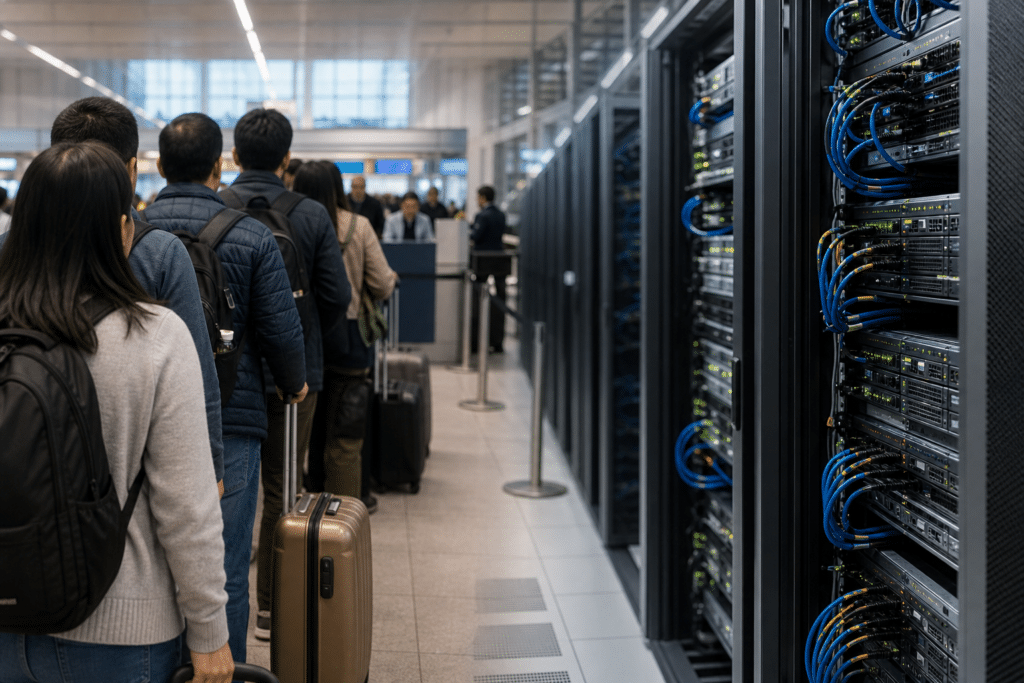
Data centres present a separate but related challenge. They have been promoted as a potential economic boom, with some estimates suggesting they could contribute around $150 billion by 2030. But proposed facilities have raised questions about pressure on electricity, water and the grid. Government standards proposed for new centres would require them to generate their own renewable energy and minimise water use, though the standards have not yet become law.
ABC News reported that Anthropic has agreed to use part of a proposed $32 billion data centre on Queensland’s Western Downs. The facility is expected to be Australia’s largest and could draw as much power as about 1.5 million average households. Labor MP Ed Husic has called for a national approach to AI risks, while warning that public confidence will depend on stronger domestic capability and safeguards.