












Arabic version: خروج محتمل لمجتبى خامنئي لن يغير الديناميات القوية الراسخة في إيران
Rumors regarding Mojtaba Khamenei’s injury or possible death have surfaced following his recent absence from public view. However, analysts suggest that such changes will not alter the trajectory of the Iranian regime, which has been consolidating power through structural transformations rather than relying on individual leadership. According to Al Jazeera, the ongoing power dynamics are deeply rooted in a system of securitized rule that will persist regardless of who leads.
The Iranian state has undergone significant economic restructuring since the end of the war with Iraq in 1989, characterized by a shift towards market-oriented policies. This has seen public assets transition into the hands of quasi-state conglomerates and politically connected institutions. The emergence of the military-bonyad complex has created a close-knit relationship between economic power and coercive state institutions, further entrenching the regime’s grip on power.
Sanctions imposed by the United States have not weakened the state as intended; instead, they have reinforced the existing power structures. The regime has adapted to these pressures, with shadow networks and security-linked conglomerates gaining prominence. As formal avenues for trade and finance have dwindled, these entities have thrived, leading to a more securitized state that imposes significant social costs on ordinary Iranians.
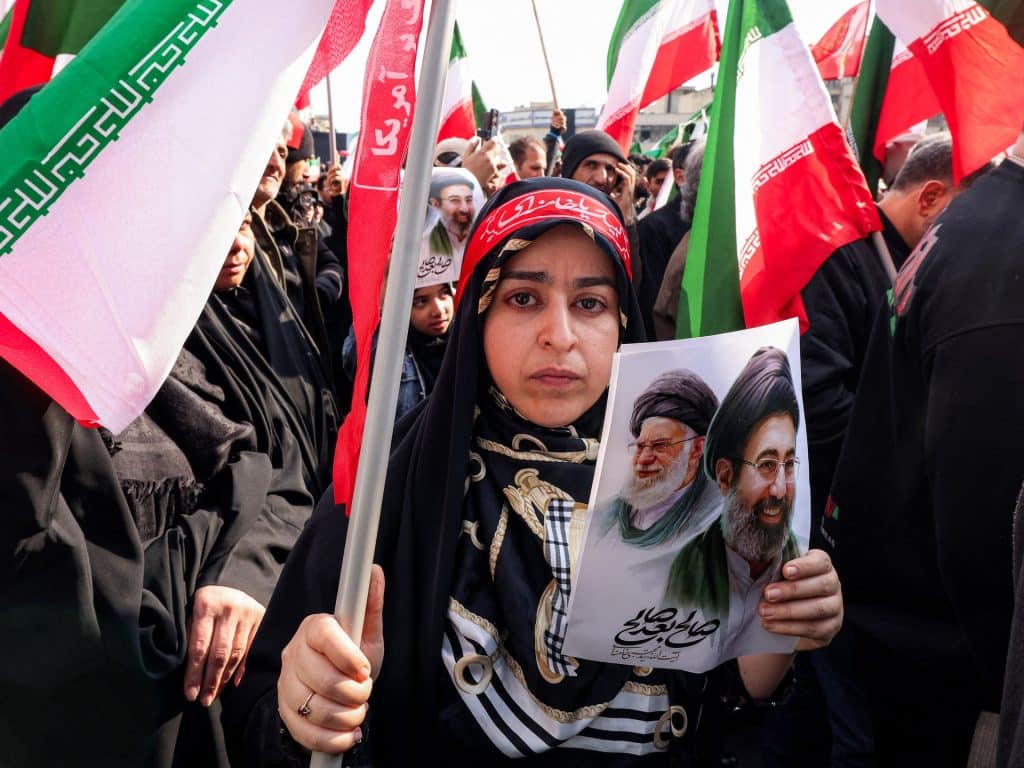
The current political landscape has also been shaped by recent uprisings, which reflect a broader crisis of legitimacy and representation within the regime. The government’s response to dissent has become increasingly militarized, framing domestic opposition as a threat during wartime. This shift in political logic allows for more aggressive repression of protests, with the state viewing all issues through a lens of conflict.
Ultimately, the significance of Mojtaba Khamenei’s leadership lies in the continuation of established trends rather than a radical departure. If he were to exit the stage, his successor is likely to emerge from the same entrenched clerical-security framework that has come to dominate Iran’s political and economic landscape, ensuring that the regime’s course remains unchanged.