












Arabic version: بدائل السكن ضمن «إن دي آي إس» تحظى بالاهتمام مع مراجعة التكاليف
According to ABC News, the federal government is seeking to reduce National Disability Insurance Scheme costs by $36 billion over four years as advocates call for more alternatives to group homes.
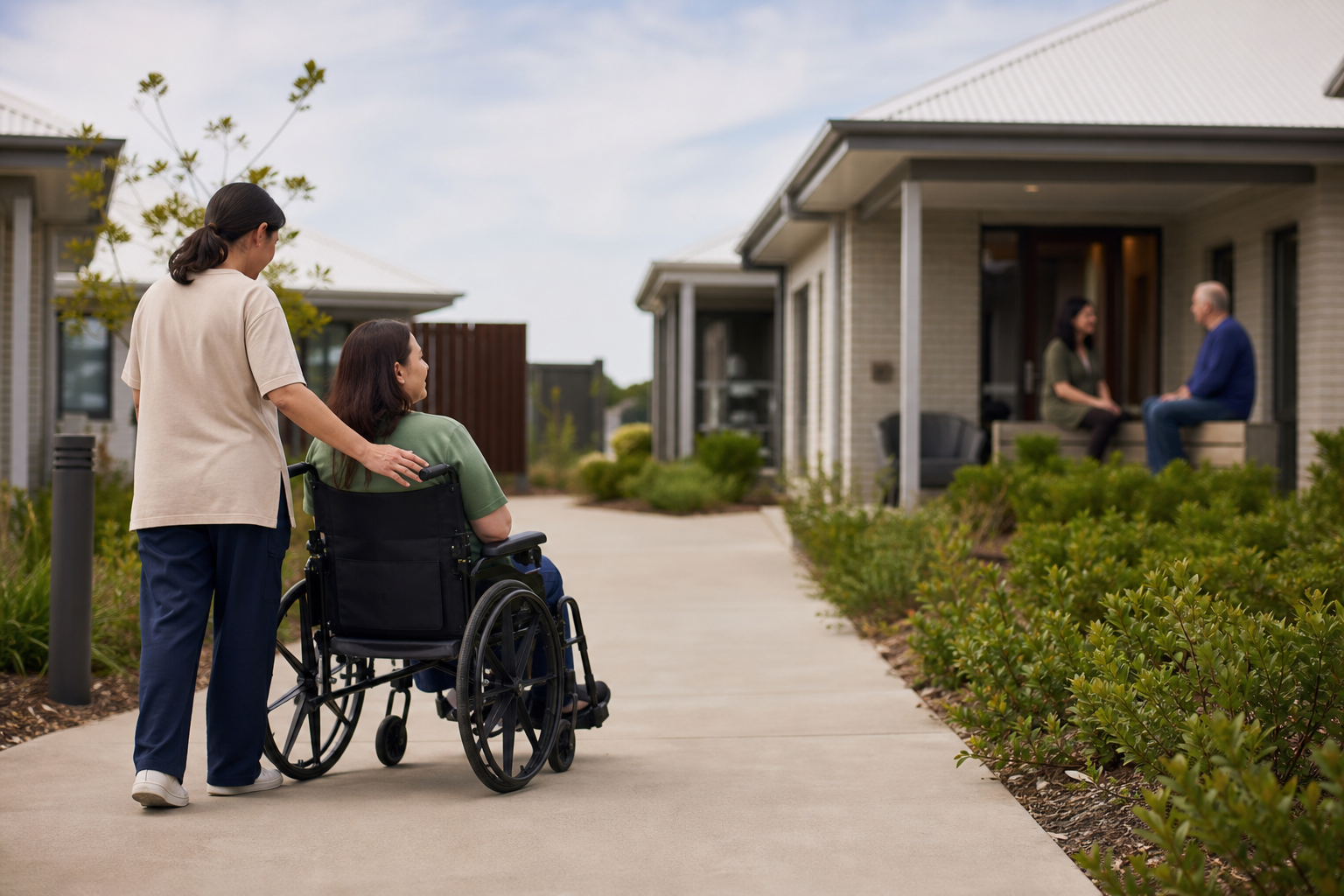
Group homes remain the main accommodation option for people with disability. Jason Toppin, 47, has lived with four men in a home run by St John of God Accord for nearly 12 years, with residents’ NDIS plans funding accommodation and support. But the Disability Royal Commission heard evidence of violence, abuse and neglect in group homes, and a majority of commissioners recommended they be phased out.
Supported Independent Living funding, which usually assists people with high support needs in group homes, costs the NDIS $16.6 billion a year. Professor Christine Bigby of LaTrobe University said the most important issue was the quality of support rather than the housing model itself.
Advocates point to Individualised Living Arrangements, in which a person with mild to moderate support needs lives with a flatmate in a regular community property. Meghan Kyne shares a Melbourne home with Isabel Hankey, whose rent is subsidised for companionship and informal guidance, while Kyne receives separate NDIS-funded support. The provider overseeing 21 such homes says their average annual cost is just under $170,000, compared with more than $230,000 per person for one-to-three support in a group home.
Other services offer brief drop-in and on-call assistance. Katie Ferguson uses Mobile Attendant Care Service while living alone in Brisbane, at an NDIS cost of about $51,000 annually. Disability Minister Mark Butler said the government was considering a pool of approved providers for supported living services, while maintaining participant choice and control.