
Arabic version: خطة نيل الفقمة تحدد خيارات النقل والتطعيم
According to ABC News, a new management plan for Neil the seal sets out possible relocation scenarios and preparations for a potential H5 bird flu vaccination, while aiming to protect both the animal and the public during his visits to Tasmania.
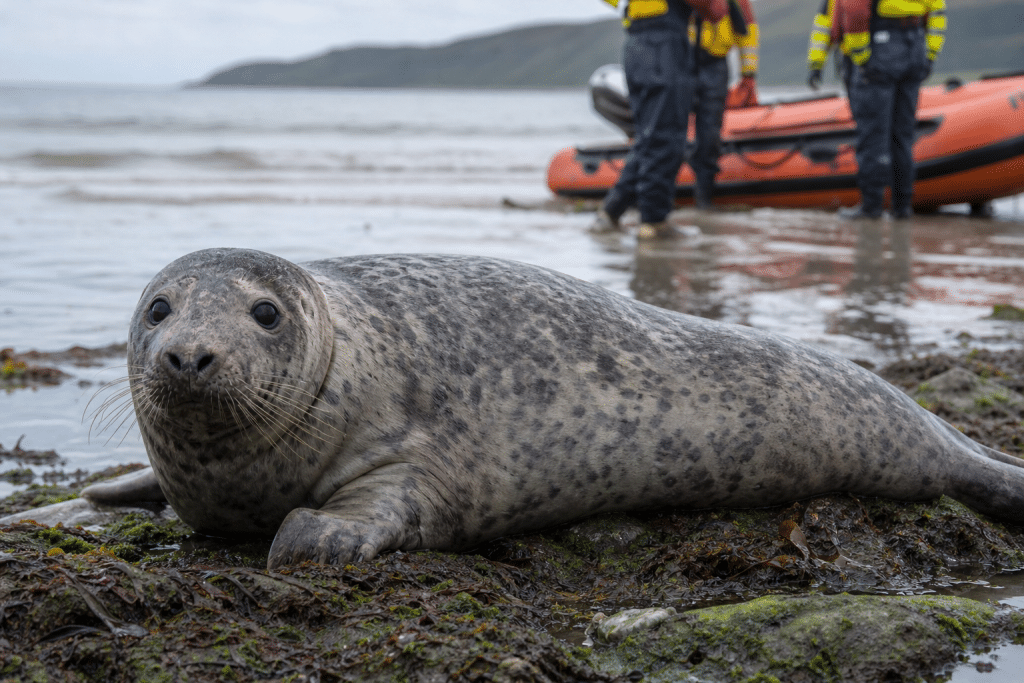
Neil, a 1,000-kilogram southern elephant seal born on Turrakana/Tasman Peninsula in October 2020, has visited Tasmania twice a year. His appearances in suburban locations have at times drawn large crowds and required traffic management and round-the-clock security. The plan, which also applies to other elephant seals, uses a four-step escalation framework that prioritises Neil’s welfare and conservation as a wild marine mammal.
The first measures involve non-intervention, public education and site management in secluded areas. Where public activity is high, authorities may use fencing, barriers, temporary closures and non-violent hazing methods to encourage him to move. The plan also provides for enrichment devices intended to reduce his interactions with public infrastructure. A new custom-made object with dynamic movement features and suitable sizing has been commissioned after earlier devices did not sustain his interest.
Relocation is the final option if lower-level responses cannot adequately manage risks to public safety, animal welfare or critical infrastructure. It would involve veterinary-supervised sedation, lifting and transport by road or vessel, and would be considered only in exceptional circumstances because of the risks posed by Neil’s size. Possible destinations listed include a remote area on Tasmania’s west coast or an offshore site such as Maatsuyker Island. The plan makes no reference to euthanasia.
The plan also notes elephant seals’ vulnerability to H5 bird flu, which arrived in Australia in June and reached Tasmania in August. Vaccination would depend on approval of a mammal vaccine and necessary expert, ethical, regulatory and permitting assessments. NRE said Neil recently spent six weeks in Tasmania’s south-east in good condition before apparently returning to sea to forage.