How Did Nepal Qualify for Major ICC Cricket Events?
Nepal has turned out to be one of the most promising associate cricket countries. With its strong performances in the qualifying round of ICC cricket events, the Himalayan country keeps advancing further. This process of advancement looks more gradual compared to some lucky breakthroughs of some associate countries. Read below to understand how the qualification process takes place.
Understanding Paths to Association Team Qualifications
Unlike test teams, associate nations cannot participate in major international events of the ICC. They should first play through the qualifying rounds, divided into regional ones and those that take place globally. Along with the expansion of interest in audiences to the sport, increased interest in gambling and playing casino games becomes noticeable. It happens not only in the main event but also in association qualifiers, which used to get little attention.
The qualification process begins within the territory of the association. Nepal is competing in tournaments held by the Asian Cricket Council before the global stages start. Only the best-performing teams qualify for the next stage. Such an approach helps to keep expenses low and fixtures reasonable for cricketing associations.
Progress of Nepal Through Qualifiers
The first appearance of Nepal at a major ICC event happened in 2014 when they defeated Hong Kong in a qualifier. Thanks to that victory, Nepal qualified for the T20 World Cup in Bangladesh. While some spectators in recent qualifying tournaments search MelBet APK download to place their bets. Those searches demonstrate the relationship between cricket and the interest in online betting in major tournaments.

Nepal played in the T20 World Cup in 2024, ten years after its first appearance there. In that tournament, they narrowly lost a group match against South Africa by just one run. This impressive result was well appreciated by the community of cricket players. After that success, Nepal qualified for the 2026 World Cup after an impressive performance in Oman.
Why There Are Several Qualification Rounds
Many associate nations fight for a limited number of positions in the World Cup. ICC cannot allow all of them to enter it without playing in regional rounds. In addition to the selection of the best-performing teams, this format helps to spread matches over the whole year and different regions of the world.
Regional rivals of Nepal include Oman, the UAE, and Hong Kong. Every stage of the competition means increased pressure for teams, as even a weak tournament means failure in qualifying. Apart from that, teams need to pay attention to players’ health and travel arrangements in the long qualifying period.
Comparative Analysis of Pathways for ODIs and T20Is
The process of qualification for ODIs and T20Is is considerably different for Nepal. In ODIs, there is a need for consistency over a number of years in a multi-year league. However, in T20Is, there is greater reliance on regional knockout qualifiers, which take place closer to World Cups. The understanding of these processes explains the reason for Nepal’s performance being different in these formats.
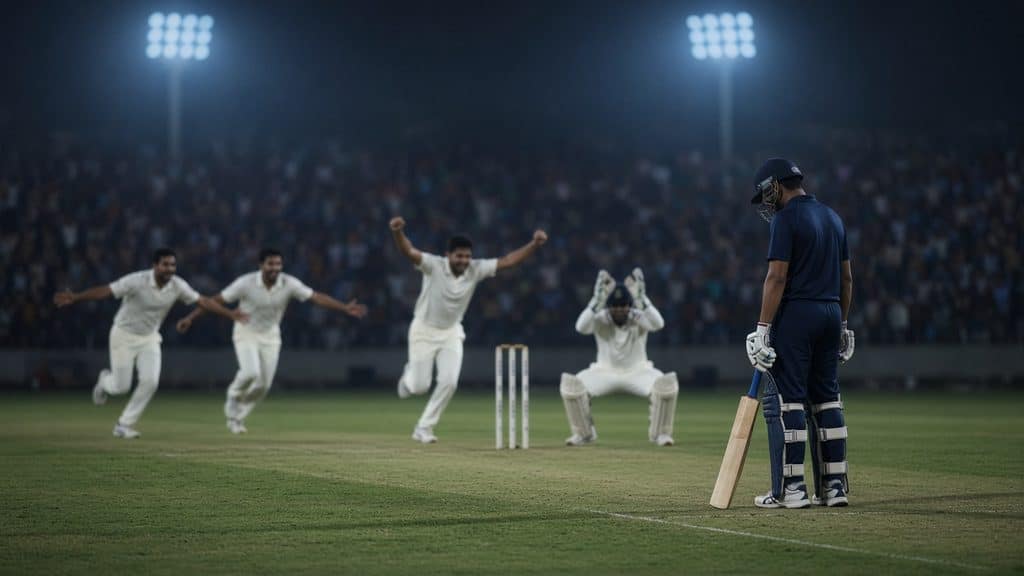
The following table provides an overview of the differences between the two pathways.
| Aspect | ODI Pathway | T20I Pathway |
| Structure | Multi-year league system, such as the CWC League 2 | Regional qualifiers organized by continent |
| Timeline | Spans several years across many matches | Concentrated tournament over a few weeks |
| Nepal’s Status | Holds ODI status since 2018 | Qualified for three T20 World Cups |
| Main Challenge | Maintaining form over a long cycle | Peaking during a short qualifying window |
It is clear that both processes involve good performances throughout time, but at different times of peak performances. Nepal has already proved its capability of qualifying for World Cup tournaments under both of these processes.
Nepal’s Overall Progress in Cricket
Nepal’s progress in cricket goes further than participation in the World Cup tournaments. Namely, Nepal earned its ODI status in 2018, which was a great achievement for such an associate country. Nepal participated in the Asia Cup and a number of Under-19 tournaments, which demonstrates further development of the country’s cricket infrastructure. Consistent domestic cricket investment helps Nepal to achieve progress.
There are now better ways for young players to join national teams compared to the past years. Domestic tournaments allow younger players to gain experience in competitions regularly in the playing season. The quality of coaching has also improved thanks to cooperation with more experienced cricket countries.
Rising Cricket Nation
Nepal’s qualification process demonstrates steady growth as a sport. Each qualifier gives Nepal more experience, confidence, and visibility in international cricket. It is expected that Nepal’s future tournaments will reveal whether it can translate its progress into success. At the moment, Nepal is a great example of associate country cricket development.