












Arabic version: نتنياهو يواجه تحديات سياسية في ظل الصراع المستمر في لبنان
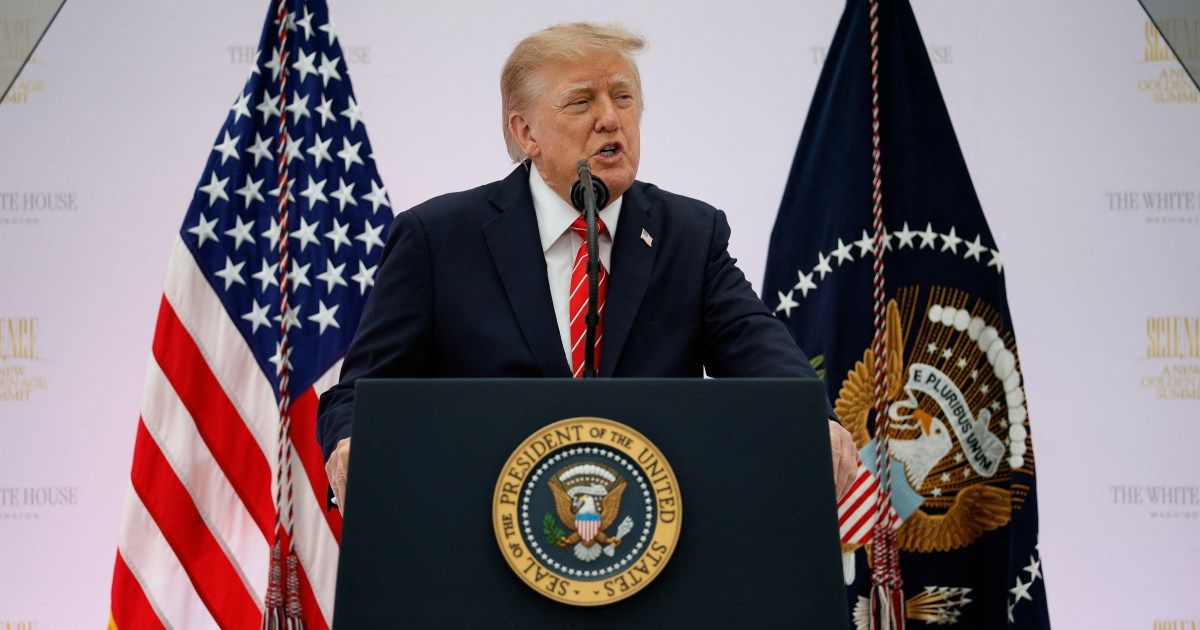
Israeli Prime Minister Benjamin Netanyahu is navigating a precarious political landscape as the conflict in Lebanon continues to escalate. The ongoing ceasefire involving the United States, Israel, and Iran, which began on April 8, remains fragile, with recent exchanges of fire highlighting the tensions. According to Al Jazeera, President Donald Trump intervened on Monday to urge both Israel and Iran to cease hostilities, yet Israeli strikes on southern Lebanon persist, complicating efforts for a broader peace agreement.
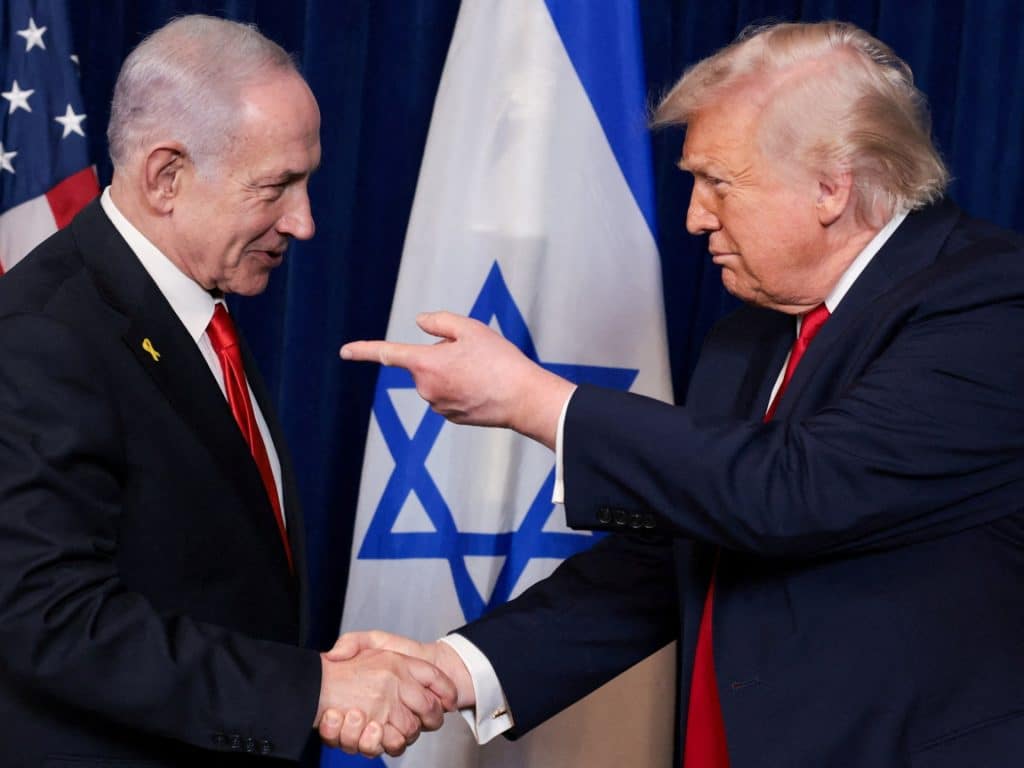
Netanyahu’s initial alignment with Trump during the U.S.-led offensive against Iran had united Israeli public opinion. However, as the conflict drags on, the political landscape is shifting. With elections on the horizon, Netanyahu’s promises of swift victory appear increasingly hollow, and he faces criticism from political opponents who accuse him of failing to achieve the security he pledged.
The situation is further complicated by Iran’s insistence that any agreement with the U.S. must include a ceasefire between Israel and Hezbollah, the pro-Iran militant group in Lebanon. Iranian Foreign Minister Abbas Araghchi emphasized that the resolution of the conflict hinges on the situation in Lebanon, underscoring the challenges facing diplomatic negotiations.
Public sentiment in Israel shows a strong desire for continued military action in Lebanon, despite the U.S. position advocating for a ceasefire. Recent polls indicate that Netanyahu’s support is waning, particularly in northern Israel, where residents are most at risk of attacks from Hezbollah. As political pressures mount, Netanyahu’s ability to navigate this complex situation remains in question, with his opponents poised to capitalize on any perceived failures in leadership.