












Arabic version: نتنياهو يتوجه إلى واشنطن وسط محادثات إيجابية بين الولايات المتحدة وإيران
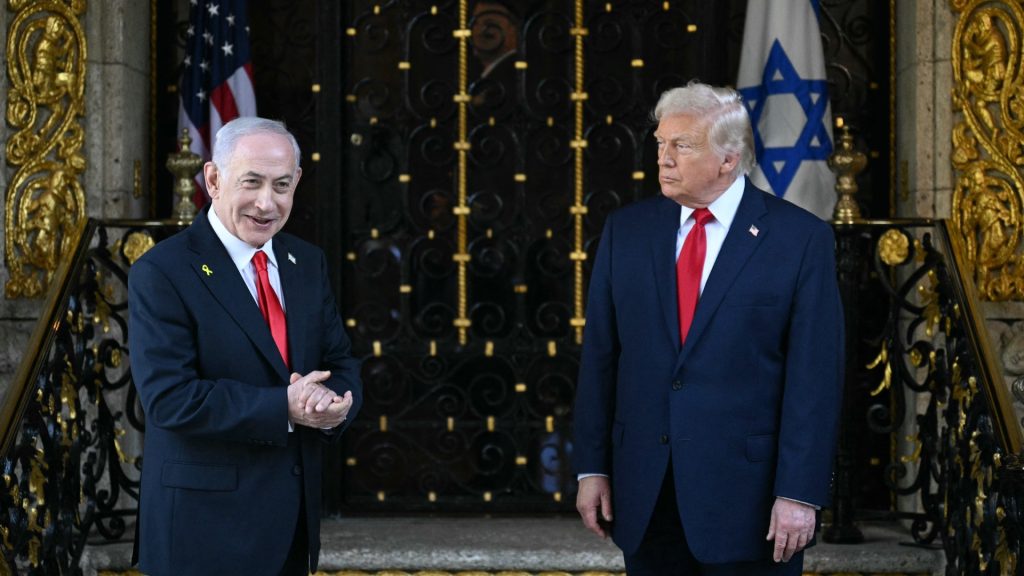
Israeli Prime Minister Benjamin Netanyahu is set to travel to Washington for discussions that are expected to focus on the ongoing negotiations between the United States and Iran regarding the latter’s nuclear program. Netanyahu’s visit comes at a critical time as the Biden administration seeks to engage with Iran to revive the 2015 nuclear deal, formally known as the Joint Comprehensive Plan of Action (JCPOA).
In recent statements, U.S. officials have indicated that talks with Iran are progressing positively, with the aim of ensuring that Iran does not develop nuclear weapons. This development has raised concerns within Israel, which has long viewed Iran’s nuclear ambitions as an existential threat. Netanyahu has been a vocal critic of the JCPOA, arguing that it does not do enough to curb Iran’s nuclear capabilities and its regional influence.
During his visit, Netanyahu is expected to meet with President Joe Biden and other senior officials to discuss Israel’s security concerns and the implications of any potential agreement with Iran. The Israeli government has consistently urged the U.S. to maintain a hardline stance against Tehran, emphasizing the need for stringent measures to prevent Iran from advancing its nuclear program.
The timing of Netanyahu’s visit is particularly significant as it coincides with a period of heightened tensions in the region. Iran has been accused of increasing its military activities and supporting proxy groups in the Middle East, which further complicates the security landscape.
In a recent interview, Netanyahu acknowledged that while Israel supports diplomatic efforts to prevent Iran from acquiring nuclear weapons, it also reserves the right to take military action if necessary. “We will not allow Iran to become a nuclear threshold state,” he stated, reiterating Israel’s commitment to ensuring its national security.
The Biden administration’s approach to Iran has faced criticism from various quarters, including from within the U.S. Congress, where some lawmakers are pushing for a more aggressive stance against Tehran. However, the administration remains focused on diplomacy as the primary means of addressing the nuclear issue.
As Netanyahu prepares for his meetings in Washington, he is likely to emphasize the importance of a united front between Israel and the U.S. in dealing with Iran. The outcome of these discussions could have significant implications for regional security and the future of U.S.-Israel relations.
In conclusion, Netanyahu’s upcoming visit to Washington reflects the ongoing complexities of U.S.-Iran relations and the challenges faced by Israel in navigating its security concerns in a changing geopolitical landscape. As the two nations engage in talks, the focus will remain on ensuring that Iran does not pose a nuclear threat while balancing diplomatic efforts with the realities of regional tensions.