












Arabic version: خطاب نتنياهو في الأمم المتحدة يثير انسحاباً وإشادة داخلية
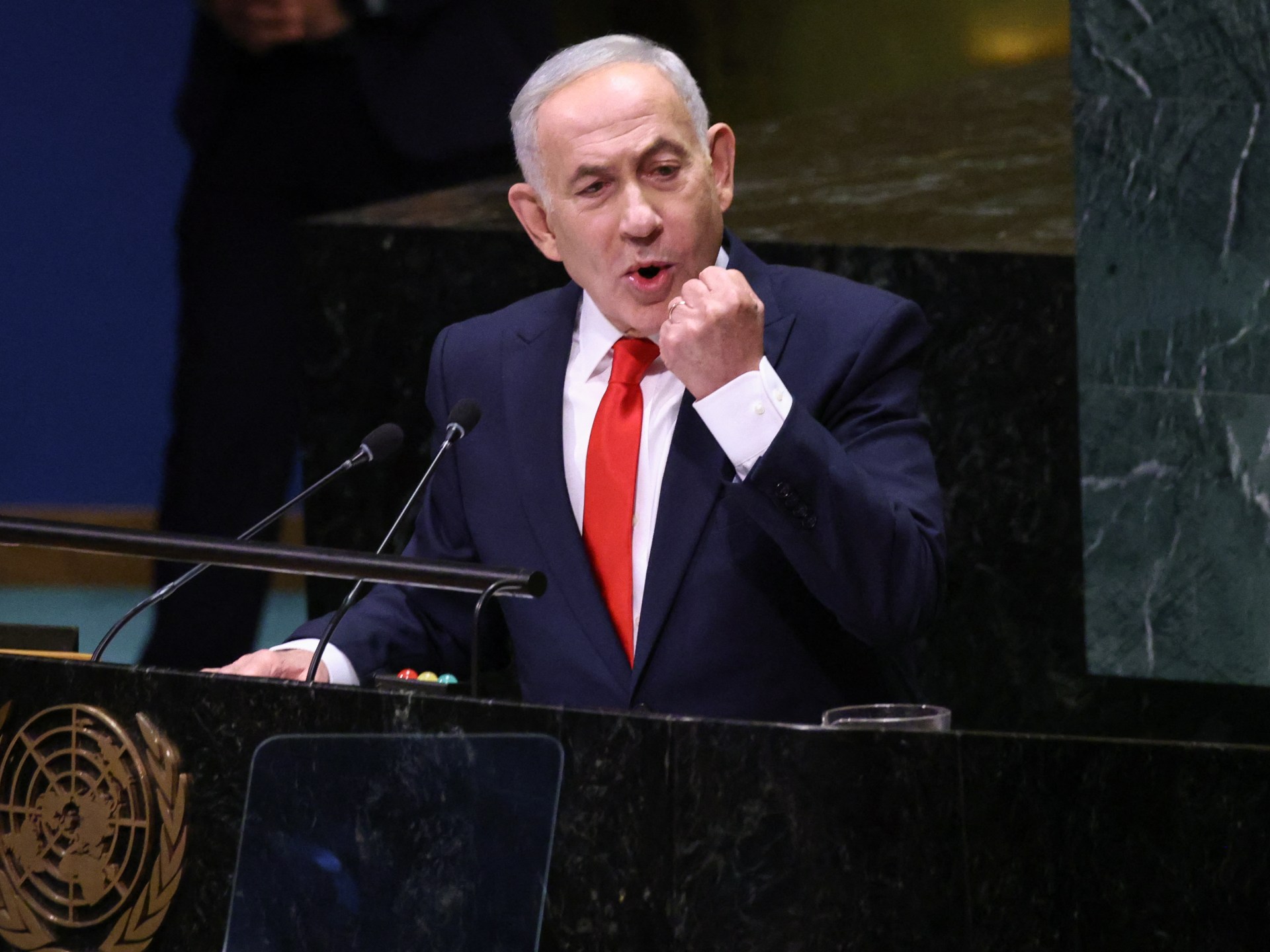
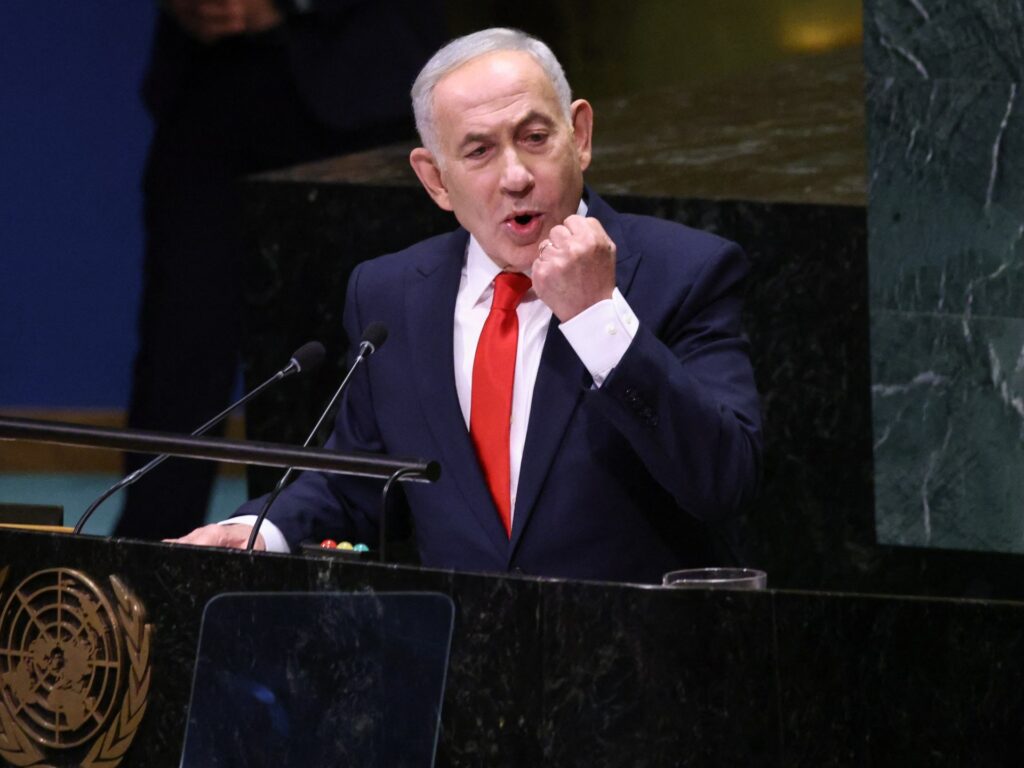
According to Al Jazeera, Israeli Prime Minister Benjamin Netanyahu used a United Nations General Assembly speech on Thursday to defend Israel’s conduct in Gaza and its attacks on neighbouring countries, as delegates from dozens of states left the hall before he began speaking. The walkout underscored Israel’s growing international isolation, while Netanyahu’s remarks were also directed at a domestic audience ahead of parliamentary elections expected in a month.
Netanyahu said Israel had carried out the “opposite of genocide” in Gaza. Al Jazeera reported that more than 73,000 Palestinians have been killed and much of the territory has been destroyed. He rejected Western accusations that Israel’s occupation of the West Bank was illegitimate and said leaders whose delegates walked out had privately thanked Israel for “taking out Iran’s nukes”.
The prime minister also attacked Turkiye’s President Recep Tayyip Erdogan, Qatar and New York Mayor Zohran Mamdani. Hamad AlMuftah, deputy chief of mission at the Qatari Embassy in Washington, said attacking a country involved in mediation would not solve the regional crisis. Turkiye’s presidential Communications Director Burhanettin Duran called Netanyahu’s remarks baseless, while Mamdani cited the International Criminal Court warrant against Netanyahu and condemned what he called “baseless lies”.
At home, Netanyahu’s allies and some Israeli media outlets welcomed the defiant address. Mitchell Barak, an Israeli pollster and former Netanyahu aide, called it a “great performance”. Israeli security analyst Ahron Bregman said the speech was intended to strengthen Netanyahu’s election campaign, but argued it contained false claims and reflected Israel’s isolation. Yossi Mekelberg of Chatham House said Netanyahu offered repeated references to military success and continued fighting without explaining how Israel’s multiple conflicts could end.