













Arabic version: تكتيكات جديدة في الإرهاب تسلط الضوء عليها اعتقال مسلح عراقي
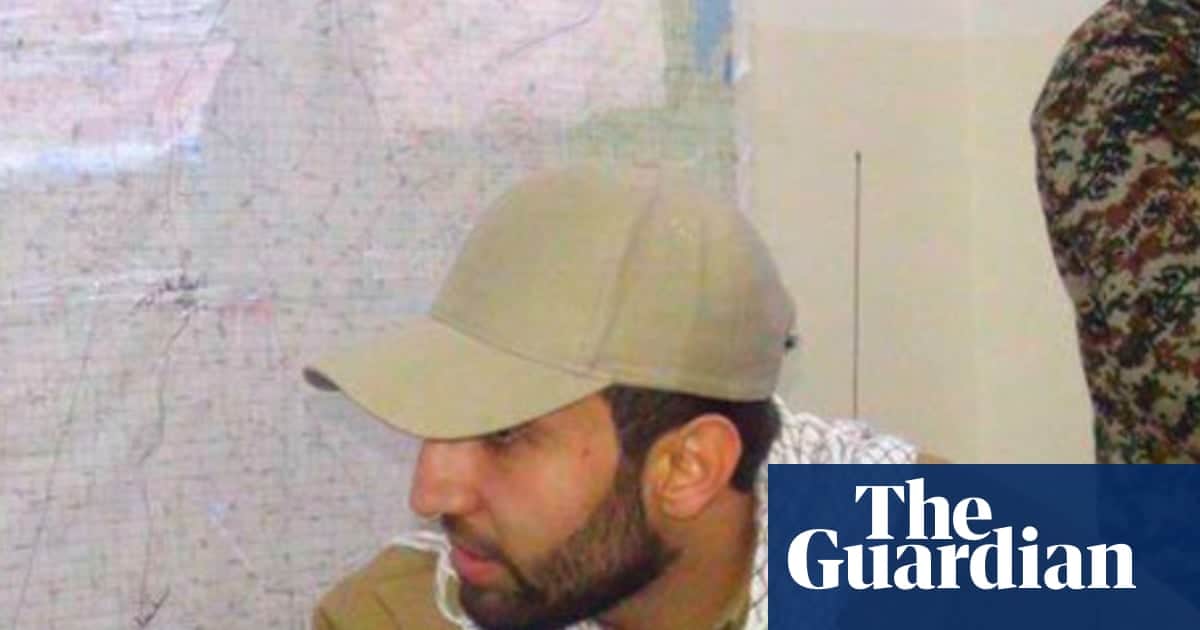
The recent arrest of Mohammed Saad Baqer al-Saadi in New York has unveiled alarming tactics being employed by Iran in its efforts to instigate terrorism across Western nations. Al-Saadi, a senior commander in the Baghdad-based militia Kataib Hezbollah, faces charges related to 18 separate attacks on Jewish community sites in Europe and the U.S., including firebombings of synagogues and community centres, as well as a stabbing in Golders Green that left two Jewish men badly injured last month, according to The Guardian.
The case highlights a shift in how terrorist activities are orchestrated, with a focus on recruiting operatives who may lack ideological commitment but are easily accessible. Experts suggest that the modern landscape of terrorism has evolved, allowing for the recruitment of ‘disposable’ operatives through social media and encrypted messaging platforms. This new breed of recruit is often motivated by financial incentives rather than political ideology.
Experts note that these operatives may be less capable than traditional terrorists but are easier to find in significant numbers. The criminal complaint against al-Saadi reveals a model where terrorist acts can be instigated from afar, with operatives being paid for their involvement in attacks that could lead to severe legal consequences.
The implications of this trend are significant, as it raises questions about the nature of radicalization and the motivations of those involved in such acts. With recruitment occurring in online spaces where criminal activity is discussed, the line between ideological terrorism and opportunistic crime continues to blur. The ongoing challenge for Western nations is to address this emerging threat while navigating the complexities of modern terrorism strategies.