












Arabic version: غير المصابين بالسكري يلجأون إلى أجهزة مراقبة الجلوكوز: سلاح ذو حدين
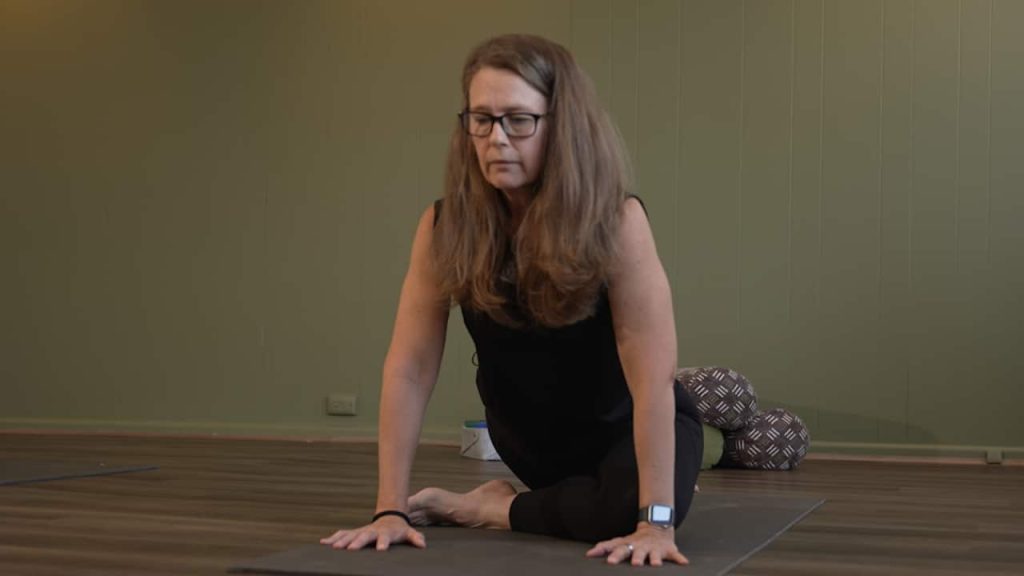
Sabina Ziokowski, a 52-year-old woman, has taken a unique approach to her health by using continuous glucose monitors (CGMs) for the past two years, despite not having diabetes. According to SBS News, she has monitored her blood glucose levels around five times a day, observing how her diet, sleep, and stress affect her sugar levels.
Sabina’s experience with CGMs began when she learned that non-diabetics could access this technology. Each sensor, which costs her just under $300 and lasts between 10 and 14 days, has become part of her health journey. She has made significant dietary changes, including quitting snacks that she believed caused spikes in her blood sugar, which she associated with mood swings and energy fluctuations.
However, the increasing use of CGMs among non-diabetics raises concerns among health experts. Dr. Karen Spielman, a Sydney GP, warns that interpreting glucose data without professional guidance can lead to misguided dietary decisions and unnecessary anxiety. She emphasizes that normal glucose spikes are often misinterpreted by users who may not fully understand the data.
The potential psychological impact of CGMs is another area of concern. Experts like Spielman fear that these devices could exacerbate eating anxieties, particularly among individuals already prone to unhealthy obsessions with food. She cautions that without proper oversight, users may restrict their diets unnecessarily based on the data presented by CGMs.
While some proponents argue that CGMs can help identify undiagnosed metabolic issues, researchers have noted a lack of substantial evidence supporting their benefits for non-diabetics. Vively, a company selling CGMs, acknowledges that while confusion over data is common, the monitors may still provide insights into metabolic health. However, experts stress the importance of consulting health professionals to interpret the information accurately and avoid potential pitfalls.
As the trend of using CGMs expands beyond diabetes management, the balance between gaining useful health insights and fostering anxiety remains a critical discussion point. Sabina’s journey illustrates both the potential benefits and risks associated with this technology, highlighting the need for careful consideration in its application for non-diabetic individuals.