












Arabic version: دعوة مدارس أيرلندا الشمالية إلى خفض استهلاك الطاقة
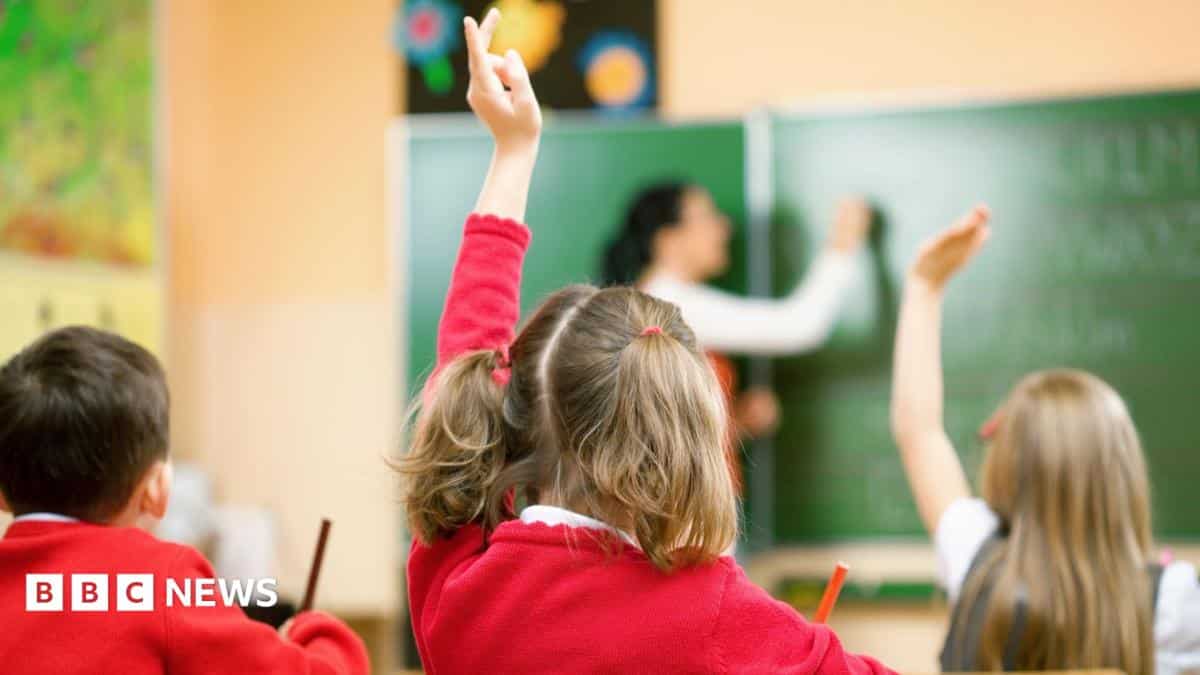
According to BBC News, staff and pupils at schools across Northern Ireland have been advised to “wear more clothes” if they are cold, as the Education Authority (EA) seeks to reduce heating and lighting costs. The authority has warned school leaders that rising energy prices are expected to add about £8m to gas and electricity bills by March 2027.
In a letter to head teachers, the EA said recent geopolitical events were expected to have a substantial effect on energy costs during the 2026/27 financial year. It projected that total school gas bills would rise by 60%, from £10.7m to £17m, while electricity bills would increase by 5%, from £23.8m to £25.1m.
The authority asked schools to review their consumption and find ways to reduce it wherever possible. Suggested actions include cutting heating use by an hour each day and switching off classroom lights in favour of natural daylight. It also advised staff and pupils to add clothing rather than raise the heating thermostat when temperatures feel low.
Some principals told BBC News NI that major reductions may not be practical without affecting learning environments and welfare. Kirsty Logan-Hall, principal of Tullygally Primary School in Craigavon, said its older and spread-out building created inherent energy-efficiency challenges. She said multiple areas must remain heated and lit during the school day to support specialist provision, accessibility and pupils’ wellbeing.
Emma Quinn of Rathcoole Primary said maintenance issues affect schools and argued that pupils should arrive to a warm building. Claire Robinson, principal of Holy Evangelists Primary School in Dunmurry, described energy costs as “ferocious” and said heating could not simply be switched off in areas with underfloor systems. She said classrooms could not fall below a certain temperature, while the school had an energy-efficiency rating of D because of the costs of operating its heating.