













Arabic version: الإقليم الشمالي يدعم خطط مراكز بيانات للذكاء الاصطناعي تعمل بالغاز
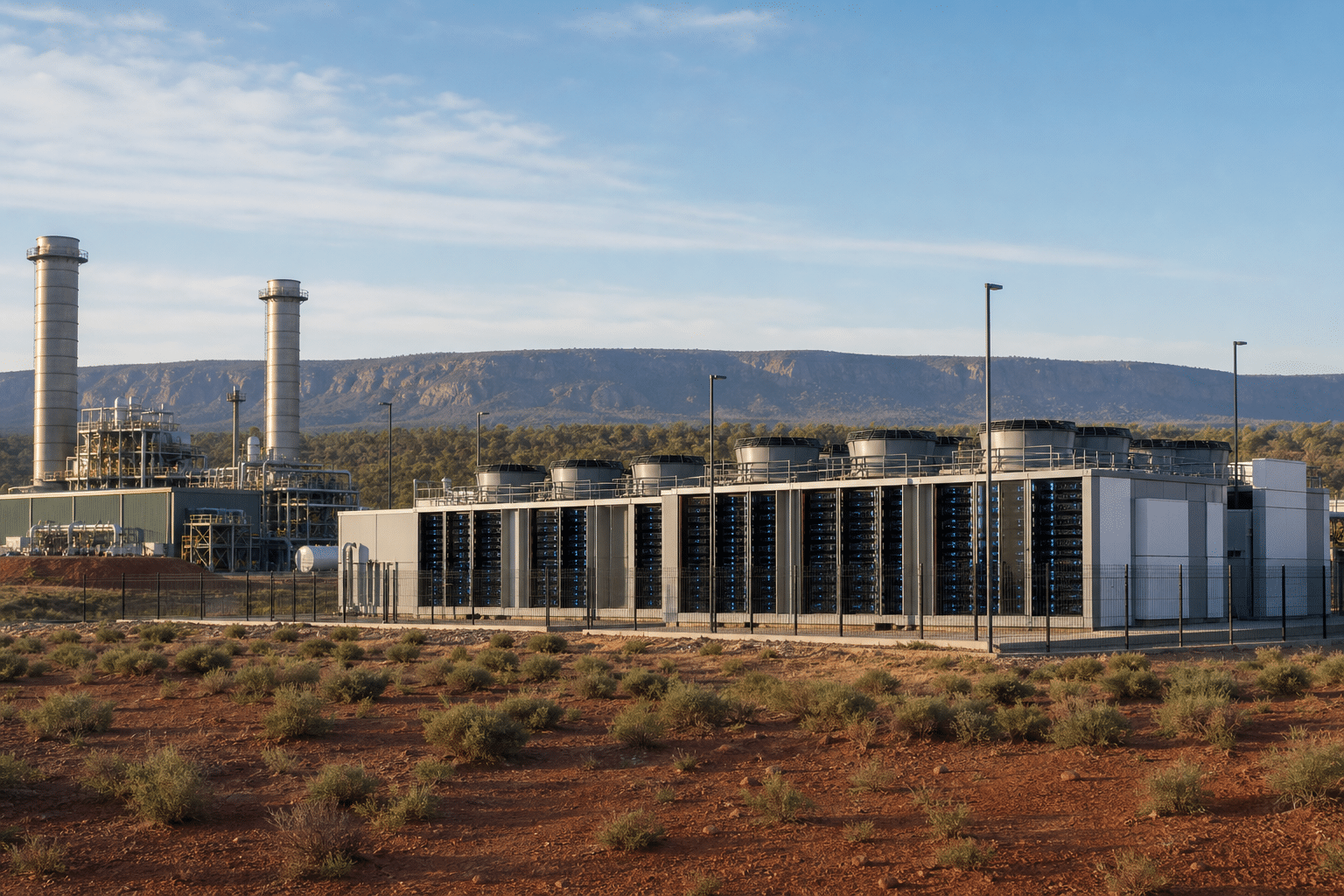
According to ABC News, the Northern Territory government is backing growth in gas and data centres as 12 proponents consider sites ranging from rural blocks near Darwin to large cattle stations. The proposals coincide with natural gas expected to begin flowing from the Beetaloo Basin later this year.
Developers are pursuing constant power supplies for data centres, with the Beetaloo Basin located 500 kilometres south-east of Darwin. Beetaloo Energy has created a wholly owned subsidiary, Beetaloo Digital, and has exclusive planning rights from the NT government for land near Darwin for a proposed 2-gigawatt data centre valued at $40 billion.
Energy North has proposed a facility at remote Murranji Station that would use solar and gas-fired generation to produce 1 gigawatt of power. The proposed power needs of both projects are higher than the total peak demand of the Darwin-Katherine power grid. Energy North chief executive Scott Criddle said the company would build its own energy source rather than draw from the grid, with gas initially the primary power source before most supply eventually comes from a 6,000–7,000-hectare solar farm.
Environmental campaigners have raised concerns about the effect of gas-backed development on climate targets, water and local infrastructure. Environment Centre NT campaigner Pauline Cass questioned how facilities would secure power and water, while saying many people opposed hydraulic fracturing for shale gas. The federal government is developing AI laws intended to require large data centres to minimise water use and underwrite or provide their own power.
Water demand is also being watched by cattle producers. Energy North said its operation could require up to 4 gigalitres of water a year, describing that figure as a worst-case scenario. NT Cattlemen’s Association chief executive Romy Carey said groundwater applicants would face statutory assessment processes that consider existing users. She also cited concerns that thousands of incoming workers and additional freight could strain fragile roads and scarce regional health services.