











Arabic version: قواعد المياه في الإقليم الشمالي تواجه ردود فعل بيئية غاضبة
According to The Guardian, the Northern Territory government plans to remove a legal requirement for water allocation plans to reserve water for the environment. The proposed changes concern rules governing how much groundwater and surface water industry can take, as the government also plans expansion of fracking, datacentres and agricultural development.
The Wilderness Society’s chief executive, Kirsty Howey, described the move as “extreme even for the NT CLP government” and called on federal environment minister Murray Watt to withhold commonwealth water funding if the bill passes. She said deleting the environment’s water allocation risked trading aquifers and rivers for short-term gains by the gas, agriculture and technology industries.
The Central Land Council said the territory government was seeking to “covertly” remove remaining protections in water use and management. Its chief executive, Les Turner, said the proposal undermined aspirations for improved and transparent water-planning laws and ignored Aboriginal voices. He also pointed to the high court’s August decision quashing the Singleton Station licence after finding it had been unlawfully granted.
Beyond environmental allocations, the package would remove a rule requiring total industrial water use to remain below a limit in each water allocation plan. It would also remove a requirement for water resource management to comply with those plans, while environmental groups say it would weaken the definition of “estimated sustainable yield”. The wider legislative package includes changes to marine pollution, heritage and mining laws.
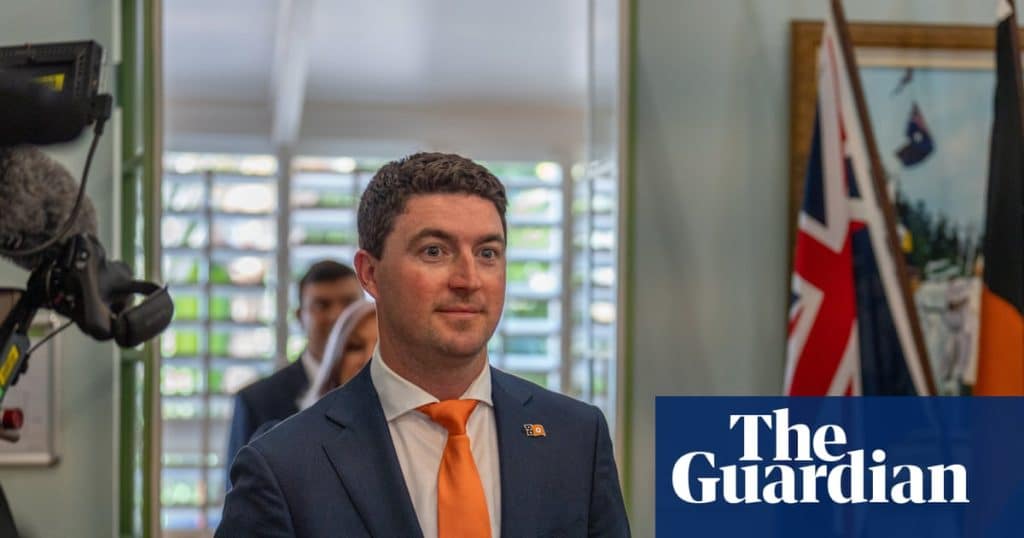
Northern Territory environment minister Joshua Burgoyne rejected claims that the bill dismantles safeguards. He said the territory’s core framework, including environmental assessments and approvals, mining licences, pollution control, water allocation planning and heritage protection, would remain. Burgoyne said the government supported responsible development and effective environmental and water regulation, and cited the extension of Limmen Bight marine park. Watt declined to comment.