












Arabic version: جهود الحفظ تعيد تصنيف النمبات من مهددة بالانقراض إلى شبه مهددة
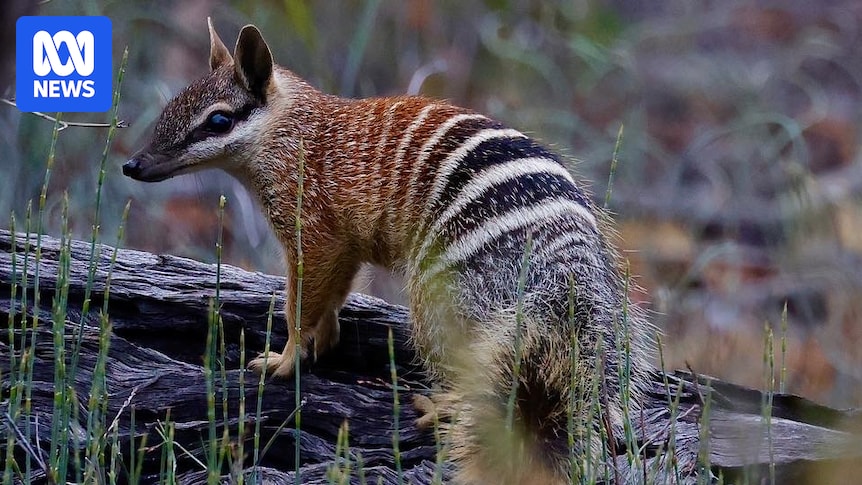
Numbats have been reclassified from endangered to near threatened on the International Union for Conservation of Nature’s Red List after research found the wild population has grown.
According to ABC News, estimates place the number of mature individuals between 2,000 and 3,000, up from an estimated total population of about 300 in the late 1970s. The Dryandra Woodlands, 171 kilometres south-east of Perth, remains the most significant of the few wild locations where numbats persist.
The species had faced extreme risk for more than 50 years and, while downlisted by the IUCN, is still listed as endangered under Australia’s environmental classifications. The World Wide Fund for Nature identified habitat loss, fire and introduced species as the main catalysts for the numbat population’s decline, and says the animals are still extinct in 99 per cent of their previous habitat.
Since being placed on the IUCN Red List’s endangered category in 2008, numbers have steadily grown, according to the report. Conservation programs have been central to that recovery. Perth Zoo has run a breed-for-release program for nearly 30 years and has released 325 zoo-born numbats into wild habitats. In the program, numbats are provided with enclosures that mimic their natural environment and are fed a termite diet before release on maturity.
Exclusion zone fencing, like that used in the Dryandra Woodlands, has had significant success: the fencing is dug deep into the ground and has a lipped top to prevent invasive species climbing over. Local groups’ sustained efforts to suppress foxes and feral cats in these landscapes have also helped native populations flourish.
Perth Zoo science program leader Harriet Mills said the zoo was proud of its contribution but cautioned: “It doesn’t mean that it’s the end of the story for numbats.” Bush Heritage Australia conservation manager Bruce Webber warned the status change should not lead to complacency, saying it was “the equivalent of going from hurtling towards a cliff, about to jump off, then pausing and standing less than a metre from the edge.” Dr Webber — who is also an executive of the WA feral cats working group — said pet cats can roam large distances and that containing pet cats and continuing predator suppression are among the simplest and most important measures to assist numbat conservation.
What happens next: experts say efforts to protect Australian numbats must continue or numbers will again dwindle. Continued containment of pet cats, ongoing predator suppression and habitat protection are cited in the report as essential to maintaining and expanding current populations.
Related sections: General | Australia/استراليا | Western Australia | Social/إجتماعية | World/العالم