











Arabic version: تكاليف تسليم النفط الفعلي ترفع الأسعار الفعلية
According to Cnbc, the cost of obtaining physical oil can be far above quoted futures prices as tanker charter rates surge. Brian Sullivan wrote that oil could effectively cost $125 a barrel or more when delivery expenses are included, underscoring the difference between paper contracts and cargoes that must be transported.
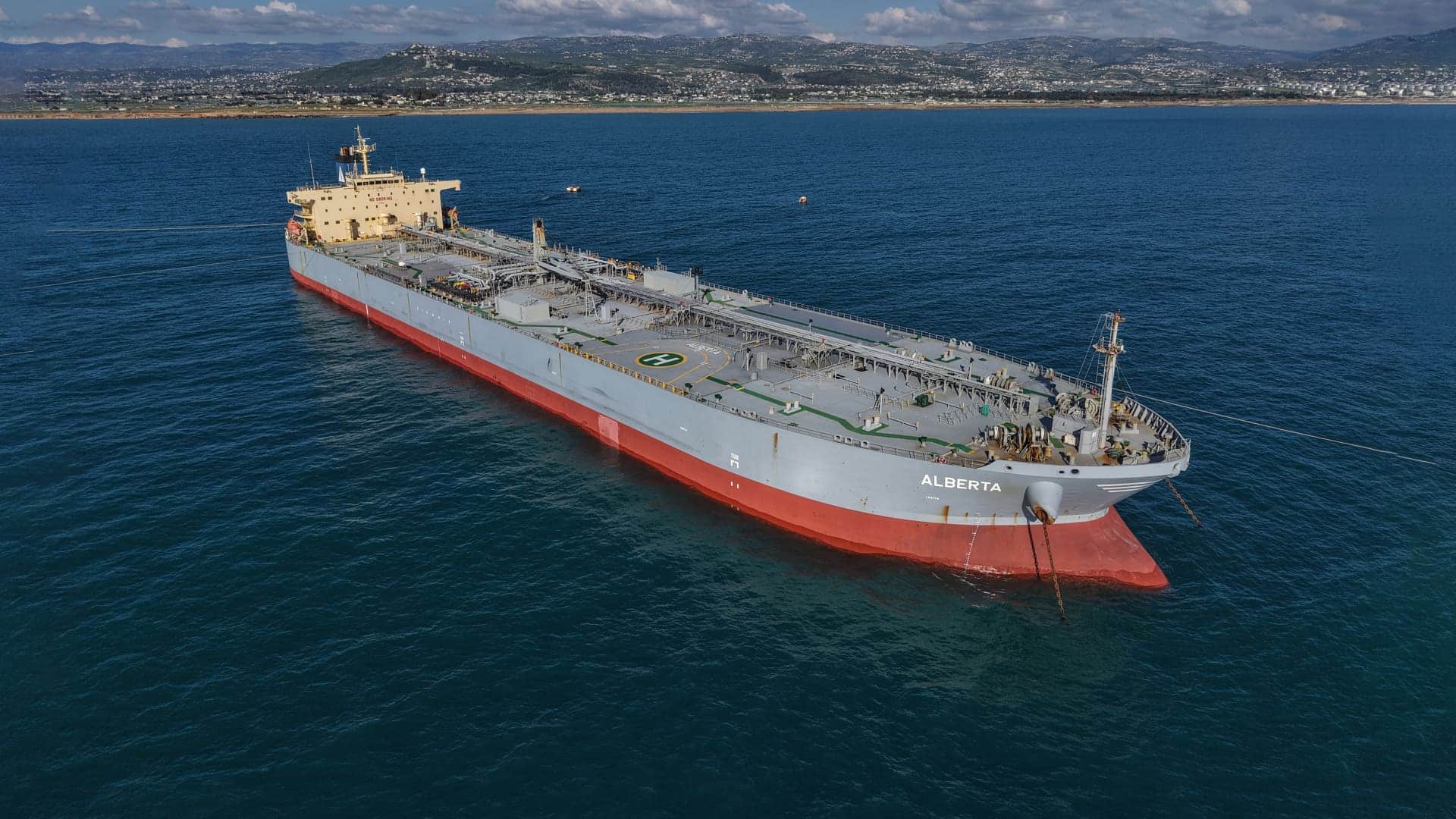
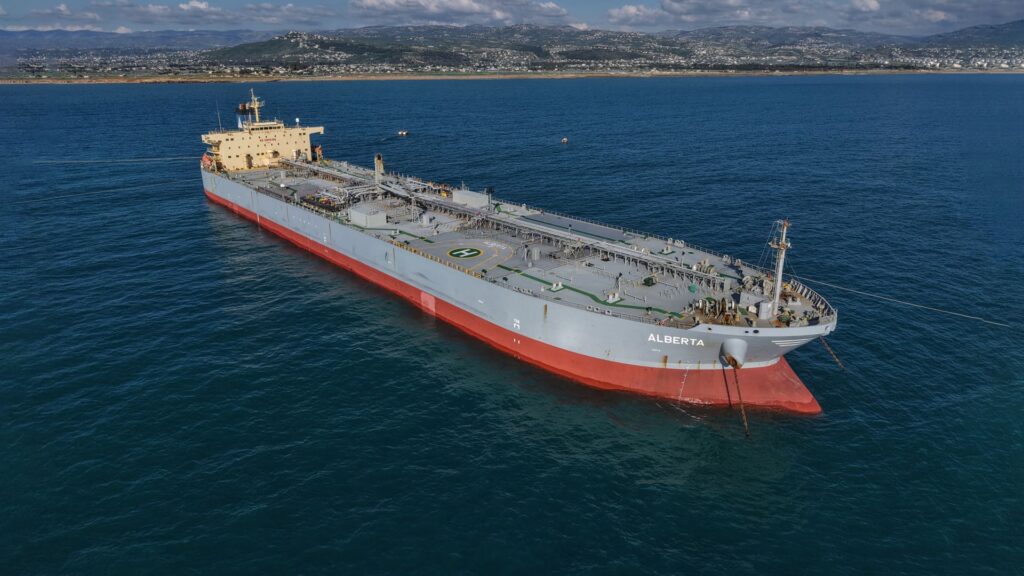
A very large crude carrier, or VLCC, was chartered from the U.S. Gulf Coast to China for $76 million last week, while another voyage from the U.S. to South Korea cost $77 million. Those rates were 10 times the price of the same trips less than a year earlier. Assuming the ships carry about 2 million barrels, the charter cost adds roughly $38 per barrel before the price of the oil itself.
Sullivan said oil moving through the Strait of Hormuz is approaching pre-war volumes, but transportation costs remain elevated and show no sign of falling. Companies needing oil shipped by sea, rail or truck face a substantial premium over screen-based oil prices. Shipowner stocks have also risen this month and this year, he noted.
Energy companies could benefit from tight fuel supplies. Shell reached a new high, while RBC analyst Biraj Borkhataria said European gas prices continued to rise in the third quarter of 2026 as storage sat below seasonal lows heading into winter. He expects Shell, TotalEnergies and BP to benefit from wider margins on U.S. LNG exports to Europe. Morgan Stanley also said the diesel shortage is spilling into gasoline, lifting its earnings estimates for ExxonMobil, Valero, Phillips 66 and PBF.
Europe’s gas storage remains a central concern before winter. JPMorgan’s early forecast calls for October and November to be average or slightly warmer than the 10-year average. Sullivan said lower storage levels than in previous years make temperatures especially important for the region’s ability to get through the season.