












Arabic version: إنهاء دراسة عن ألزهايمر في بيتسبرغ بعد إلغاء منحة من المعاهد الوطنية للصحة
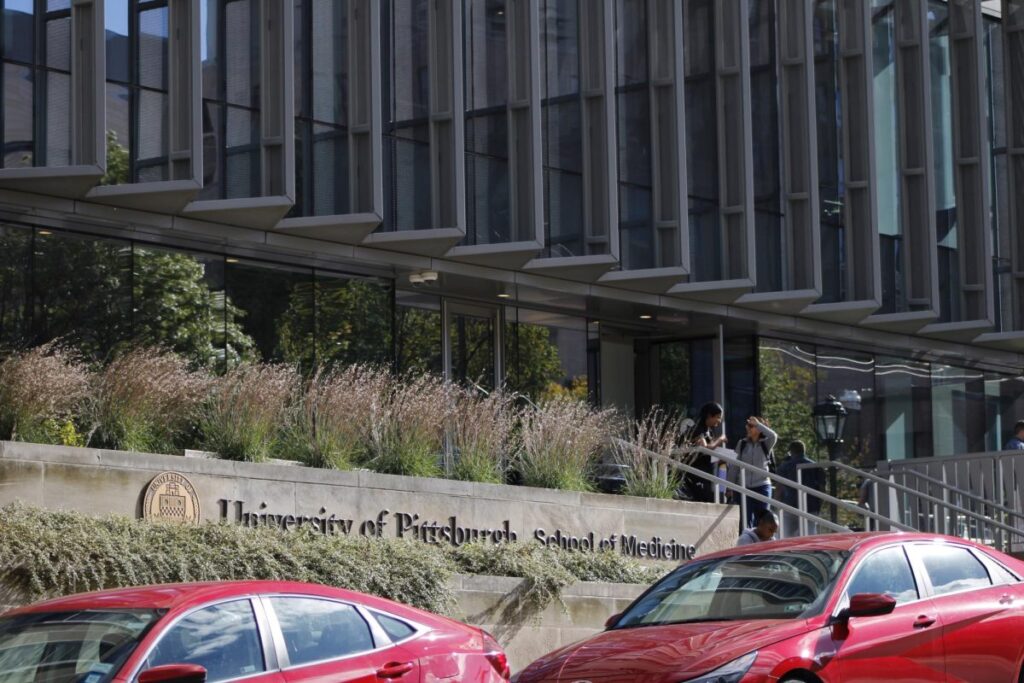
According to The Guardian, a 15-year University of Pittsburgh research project examining health, trauma and cognitive change in two predominantly Black, low-income Pittsburgh neighborhoods was terminated after its National Institutes of Health grant was cancelled. About 600 participants may not receive feedback from cognitive assessments intended to identify changes associated with Alzheimer’s disease.
The Pittsburgh Hill/Homewood Research on Eating, Shopping and Health, known as Phresh, began as a study of food deserts in the Hill District and Homewood. Researchers randomly selected addresses to assess the effects of a new grocery store in the Hill District. The project later expanded to examine neighborhood conditions, sleep, cardiovascular health, mental health and cognitive health.
Tamara Dubowitz, a primary investigator and University of Pittsburgh professor who spoke in her personal capacity, said researchers had promised participants information based on two cognitive assessments. Researchers were given 90 days to close the study, more than five months earlier than expected, leaving insufficient time for a neuropsychologist and geriatric psychiatrist to interpret results for all participants.
Participant Roderick Blair, 70, initially distrusted the research but joined after researchers remained involved in the community. He completed surveys, used sleep and fitness monitors, and took cognitive tests twice. Blair described the cancellation as “clear” retribution. Field coordinator La’vette Wagner said participants had shared personal experiences involving trauma, fixed incomes, violence, food and medicine costs, and relatives or friends with Alzheimer’s disease.
The Guardian reported that nearly 7 million people in the US live with Alzheimer’s and that Black Americans have nearly double the risk of developing Alzheimer’s dementia, according to the Alzheimer’s Association. It also reported that the Trump administration has cancelled, frozen or otherwise disrupted more than 5,700 NIH medical research grants. The University of Pittsburgh said it is appealing recent NIH terminations; 90 university grants totaling about $33m have been cancelled, excluding awards later reinstated.