












Arabic version: طبيبة نفسية تدعو إلى إصلاح رعاية الصحة النفسية في سجون نيو ساوث ويلز
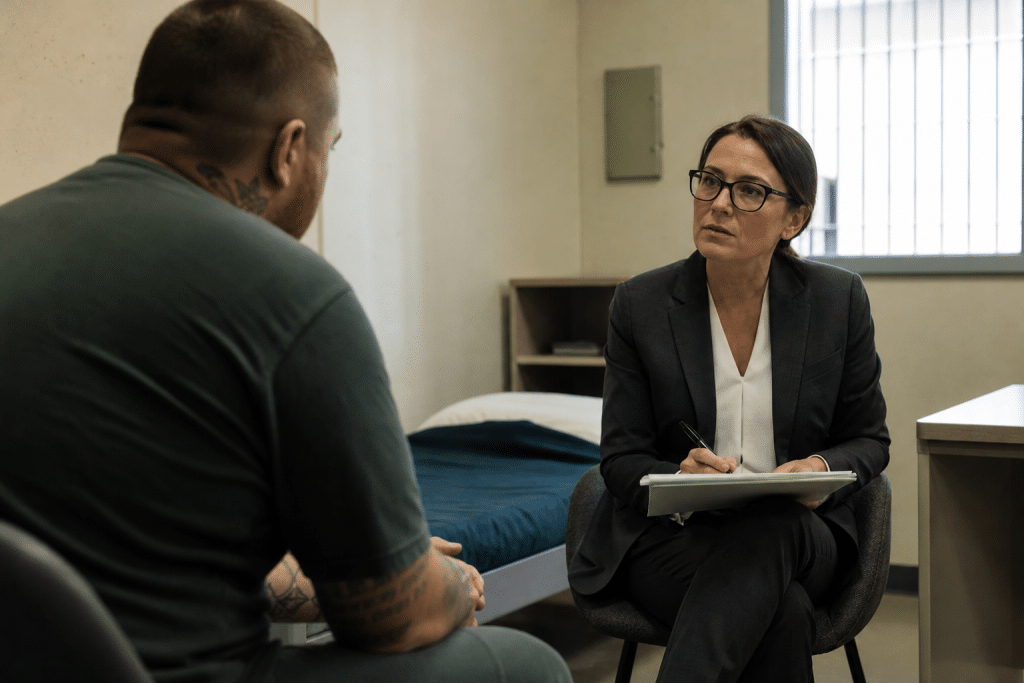
According to ABC News, forensic psychiatrist Kerri Eagle says Corrective Services NSW should not be responsible for managing the mental health of prisoners. Dr Eagle, a clinical director for Justice Health who spoke as a private practitioner, said Justice Health should lead the management of health risks once vulnerable prisoners have been identified.
Her call follows an ABC investigation that identified dozens of NSW coronial findings since 2015 concerning failures in the care of prisoners with mental illness. Dr Eagle said correctional officers should help identify people in distress, but clinical staff should assess their mental state, mood, level of distress and treatment needs.
Under the current process, inmates considered at risk of suicide or self-harm are referred to a Corrections officer-in-charge, who prepares an immediate support plan covering risk, accommodation and observation. Prisoners may be placed in safe cells and monitored by CCTV and in person before review by a risk intervention team involving two Corrective Services staff and one Justice Health staff member. Disputes can be referred to a prison governor.
Dr Eagle said there was no evidence supporting the current system as a health intervention. Corrective Services NSW rejected a recommendation from the 2021 inquest into Bailey Mackander’s death that risk intervention teams include a psychologist, or have access to psychological advice. Coronial inquiries have also found inmates died in prison when specialist care was needed.
Almost half of people entering NSW prisons had experienced a mental health condition, according to 2020 AIHW data. In October 2023, the NSW government committed to 109 additional forensic mental health beds over four years, increasing capacity by 50 per cent. Corrective Services NSW said it works with Justice Health through multidisciplinary teams and that progress requires a coordinated, whole-of-government response.