













Reading in English | Read in العربية (Arabic)
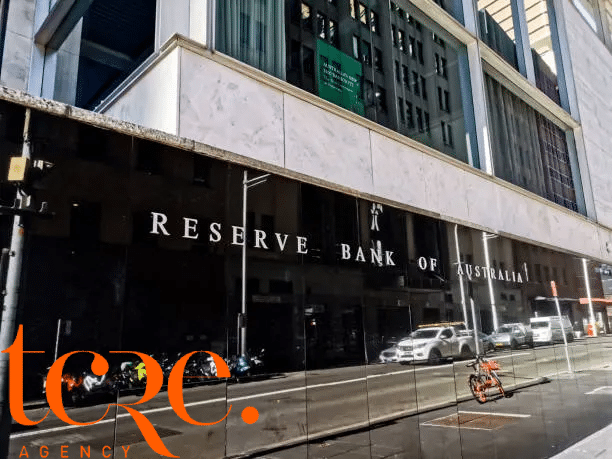
Australia’s growing investment in artificial intelligence (AI) could drive spending beyond the economy’s ability to produce goods and services, adding further pressure to inflation, the Reserve Bank of Australia (RBA) has warned.
Speaking in Sydney on Monday, RBA assistant governor Sarah Hunter said the rapid expansion of AI investment could increase demand across the economy, potentially worsening cost-of-living pressures.
Hunter explained that while AI could improve productivity and create new employment opportunities, its impact would extend beyond concerns about job losses. Increased productivity and national income could encourage households to spend more, even before the economy has developed the capacity to meet that demand.
She warned that increased borrowing and reduced household savings could add to inflationary pressures at a time when Australia is already facing elevated prices and strong domestic spending.
The growing demand for AI infrastructure is also creating challenges for businesses. Companies investing in new technology may face higher operating and investment costs, which could eventually be passed on to consumers.
One of Australia’s largest AI-related investments is the rapid expansion of data centres, which provide the computing infrastructure needed to support services such as chatbots, streaming platforms and search engines. The RBA estimates that data centre investment has increased tenfold over the past three years.
However, much of this investment involves importing overseas-manufactured equipment, limiting its direct contribution to Australia’s economic growth.
Hunter also highlighted potential risks to financial stability, warning that growing market enthusiasm for AI could lead to sharp falls in share and bond prices if investments fail to deliver expected returns.
Despite these concerns, the RBA recognises that AI could provide longer-term productivity benefits and help address Australia’s ongoing productivity challenges.
The bank is continuing research into AI’s potential effects on inflation, employment, financial markets and economic growth to better understand its implications for monetary policy.
With inflation remaining a major concern, the RBA faces the challenge of balancing the short-term economic pressures of AI investment against its potential long-term benefits.