












Arabic version: أسعار الديزل القياسية تهدد بزيادات أوسع في التكاليف بالولايات المتحدة
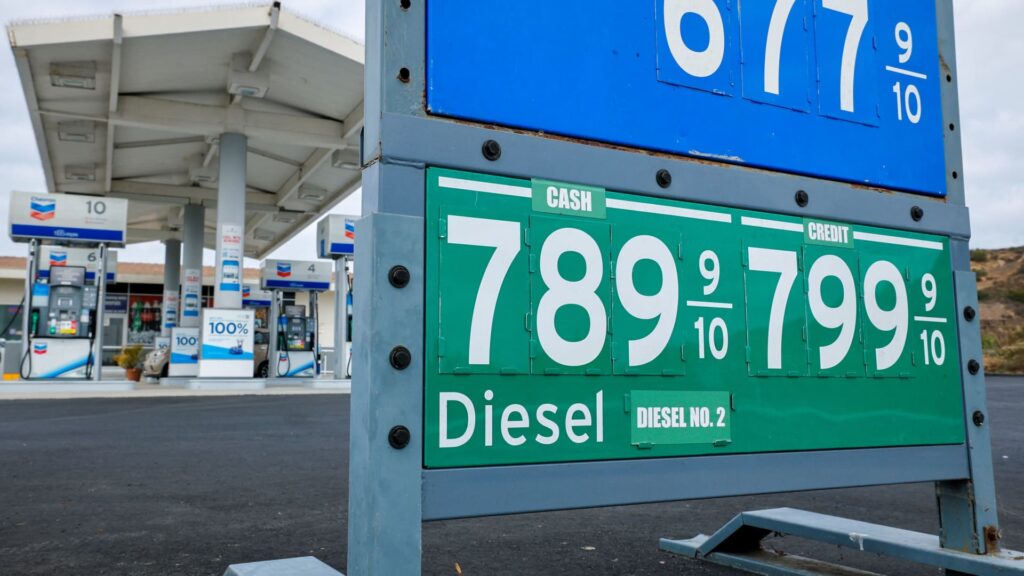
According to Cnbc, diesel reached an all-time high of $6.31 a gallon on Wednesday, raising concerns that transportation costs will spread through the U.S. economy. David Russell, global head of market strategy at TradeStation Group, called diesel the economy’s “single most universal tangible input,” with freight haulers among the first to face the impact.
Higher diesel costs are already affecting the price of getting gasoline to stations, said Jeff Lenard of the National Association of Convenience Stores. He said retailers have been absorbing much of the added cost, with retail gross margins constricting by about 15 cents a gallon. Goods sold inside convenience stores also rely on diesel-powered trucks for delivery.
Carmit Glik, CEO of Ship4wd, said diesel costs move through freight rates, farm equipment, food delivery and home heating. Consumers may feel the effects weeks after a price spike as surcharges pass through supply chains, appearing in grocery bills, delivery fees and seasonal goods. Russell also said higher diesel prices could increase costs for truck-delivered products, home-improvement services and holiday air travel.
Home heating oil customers in the Northeast could pay as much as 31% more this winter if current prices persist, according to Mark Wolfe of the National Energy Assistance Directors Association. He warned that households could face pressure from heating oil, gasoline and diesel-dependent deliveries. A warmer-than-normal Northeast winter forecast associated with Super El Nino could reduce heating demand, but supply constraints remain a concern.
Supply-chain experts cited reduced refining capacity, including losses in Russia and the Middle East, as a central reason diesel prices may remain difficult to lower. Jack Buffington of the University of Denver said nearly all available global refining capacity is being used and that it could take a year or longer for diesel to return to the $4 level. Small truckers, farmers, construction, public transit and food distribution are among the sectors exposed, while refiners and some larger carriers may benefit from stronger margins or fuel arrangements.