












Arabic version: تقرير يحذّر من أزمة في الرعاية الطارئة لكبار السن في تسمانيا
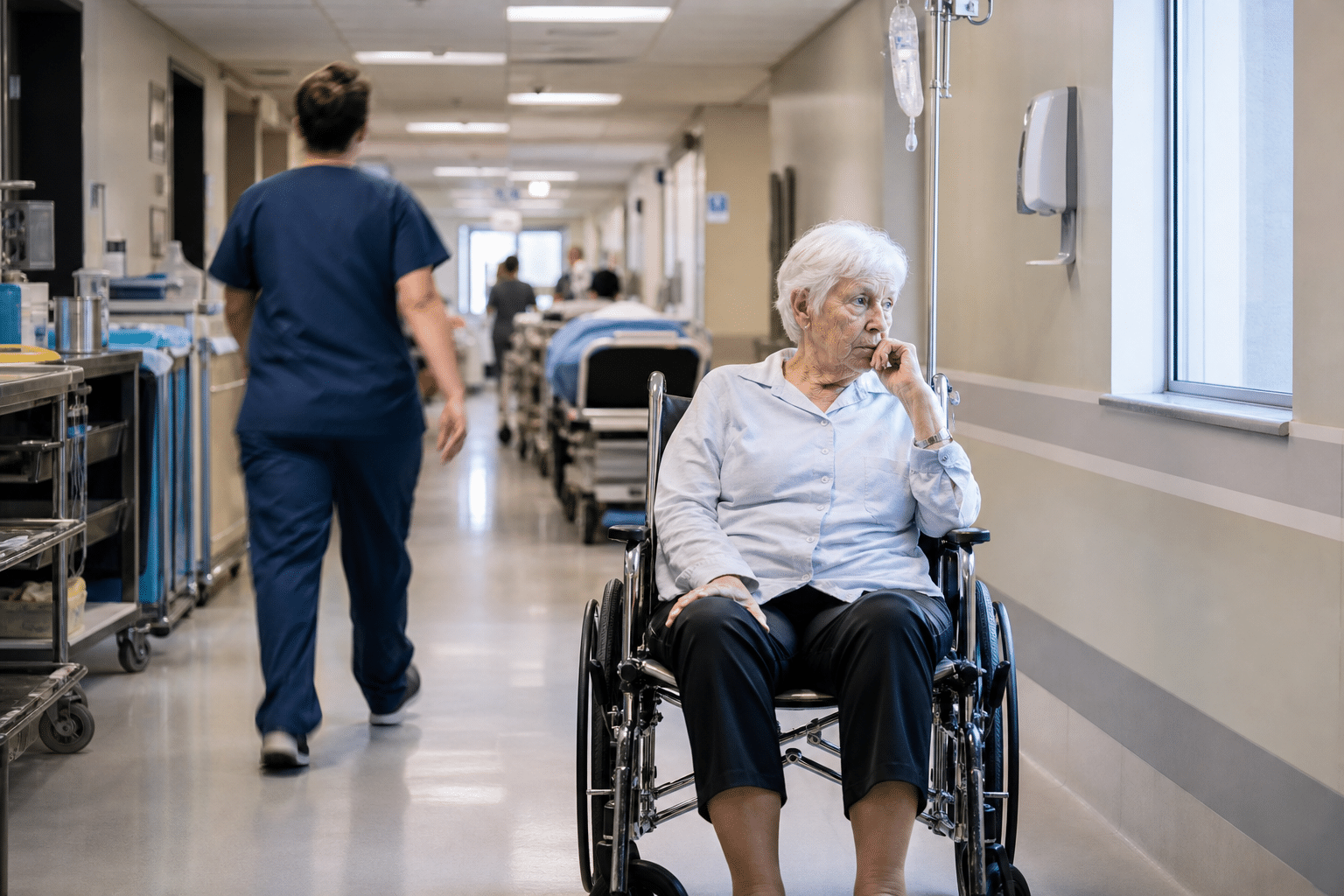
According to ABC News, the Australasian College of Emergency Medicine has warned that Australia’s health system is not prepared for the growing number of older people presenting at emergency departments. Its national State of Emergency report says insufficient planning across primary care, residential aged care, home support and hospitals has left emergency departments filling gaps in care.
The report says older people accounted for close to a quarter of nearly nine million emergency department presentations nationally, with the highest rates in regional, rural and remote areas. Tasmania has the nation’s highest proportion of people aged 65 and over. Between 2018-19 and 2023-24, older attendees at Tasmanian emergency departments rose 19 per cent, compared with 2 per cent among younger people and 17 per cent nationally.
ACEM Tasmania branch chair Juan Ascencio-Lane said the state was already in a crisis. The college recommends that 90 per cent of patients needing hospital admission receive a bed within eight hours, but the report found this happened for 40 per cent of older patients in Tasmania and 54 per cent nationally. It said long waits could leave older people frail and in pain, without adequate rest, nutrition or dignity.
The report projects a 411-per-cent increase in emergency arrivals by people aged 85 and over by 2050. ACEM called for alternative acute-care pathways, more telehealth support for residential aged care, increased inpatient beds, community-based hospital services and ongoing training for rural emergency departments. It also sought at least 10,000 additional aged-care beds by 2028, round-the-clock access to a registered nurse and incentives for services to accept residents with complex conditions.
Tasmanian Health Minister Bridget Archer said people should not have to rely on hospitals when there was nowhere else to go, and called for an immediate federal response. Federal Health and Ageing Minister Mark Butler said the government had reduced hospital pressure through funding, aged-care beds, expanded bulk billing and Urgent Care Clinics, while saying states should deliver promised health services.