













Arabic version: سكان يشكون من موقف سيارات بسبب الرسوم الجديدة في شابي
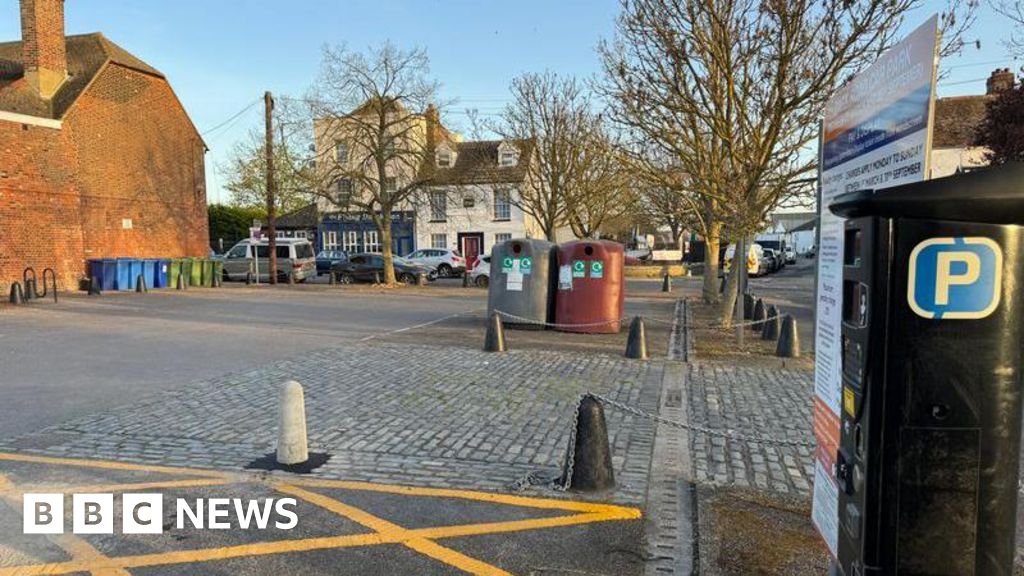
Locals on the Isle of Sheppey are boycotting a recently charged car park, leading to a significant decline in its usage. The Swale Borough Council implemented parking fees at the site to align with other car parks in the area, sparking outrage among residents and local businesses. According to BBC News, many locals are refusing to pay for parking that has traditionally been free, fearing it will hurt local trade.
The Isle of Sheppey, known for its high levels of poverty and financial struggles, has seen an increase in debts and bankruptcies. The community, home to 47,000 residents, is grappling with economic challenges, as businesses close and well-paying jobs remain scarce. Local establishments, like The Flying Dutchman pub, are worried that the parking fees will deter customers.
The Citizens Advice drop-in clinic in the area highlights the dire financial situation, with many residents seeking help for overwhelming debts. Personal stories reveal the impact of these financial pressures, including evictions and struggles to afford basic necessities. Local resident Shania, recently evicted due to housing issues, expressed her struggles with debt and the difficulty of finding affordable housing.
The economic downturn is visible on the High Street, where shuttered shops are common. Local businesses are struggling to survive, with community radio station Sheppey FM also feeling the effects as advertisers dwindle. The MP for the area, Labour’s Kevin McKenna, calls for a significant regeneration project to create new job opportunities and improve the local economy.
Despite receiving £20m from the Levelling Up Fund aimed at reducing regional inequality, the Isle of Sheppey continues to face cuts in local services. Both Swale Borough Council and Kent County Council are dealing with substantial debts, leading to increased charges and reduced funding for essential services. Community members express frustration over the impact of these financial decisions on their daily lives, particularly regarding transportation and access to services.