













Arabic version: سكان بورت آرثر يواجهون مخاطر صحية من مصفاة النفط
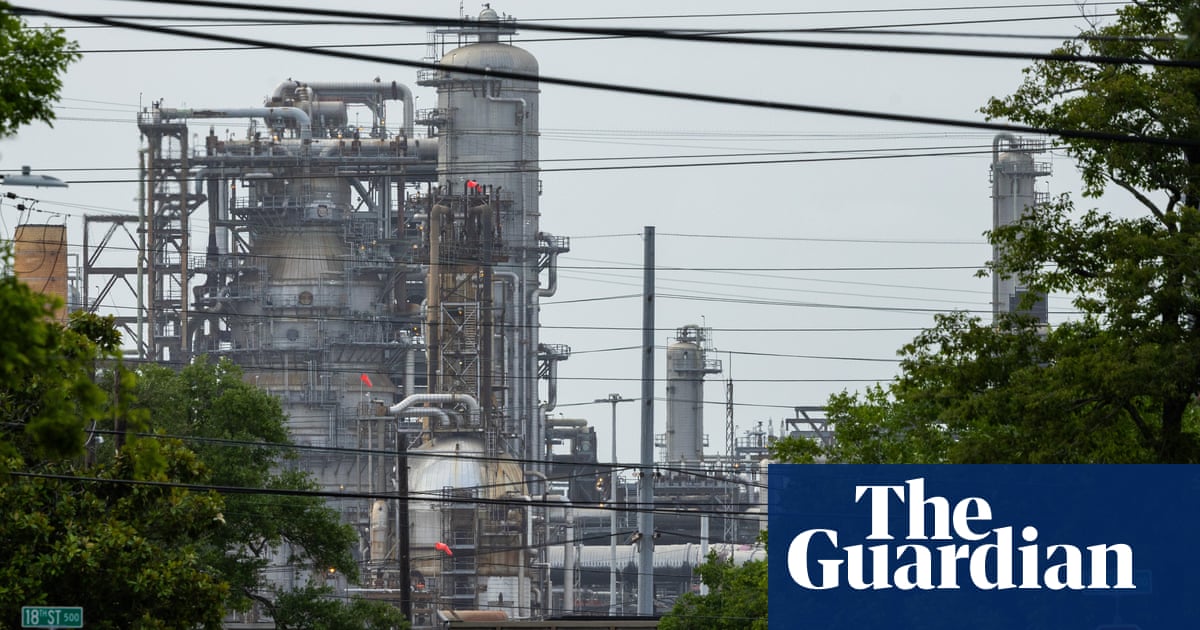
Port Arthur, Texas, is facing serious health challenges linked to the nearby Motiva oil refinery, which is the largest in the United States. Residents report exposure to harmful emissions and a troubling rise in health issues, including cancer and respiratory problems. According to The Guardian, the refinery’s operations have raised alarms among the community, particularly as the World Cup festivities unfold in nearby Houston.
The Motiva facility, covering 3,600 acres, was acquired by Saudi Arabian oil giant Aramco in 2017. While Aramco’s sponsorship of the World Cup has brought significant visibility to the company, the residents of Port Arthur feel neglected. Many express frustration over the lack of positive economic impact from the oil boom, as the city struggles with poverty and health disparities.
Local resident Jamal Johnson shared that many in his community have suffered from serious health issues, including cancer, which he attributes to the emissions from the refinery. Port Arthur has been identified as the poorest city in Texas, with a median household income of £27,700 and nearly 30% of its population living below the poverty line. The health statistics are alarming; cancer rates exceed state averages, and childhood asthma rates are nearly double the national average.
Environmental activist Hilton Kelley, a native of Port Arthur, has been vocal about the dangers posed by the refinery’s emissions. He recalls numerous friends who have died from cancer and emphasizes the community’s struggle to grow food safely due to contamination. The residents feel trapped, unable to escape the toxic environment that surrounds them, leading to a pervasive sense of hopelessness.
Despite regulatory oversight, violations at the Motiva refinery are common, including unauthorized emissions of harmful pollutants. Recent fines have been issued for breaches of environmental regulations, yet residents feel their health and safety remain at risk. The situation highlights the stark contrast between the celebratory atmosphere of the World Cup and the grim reality faced by those living in the shadow of industrial pollution.