
Arabic version: عودة «سالّو» إلى سيدني بعد تاريخ طويل من الرقابة الأسترالية
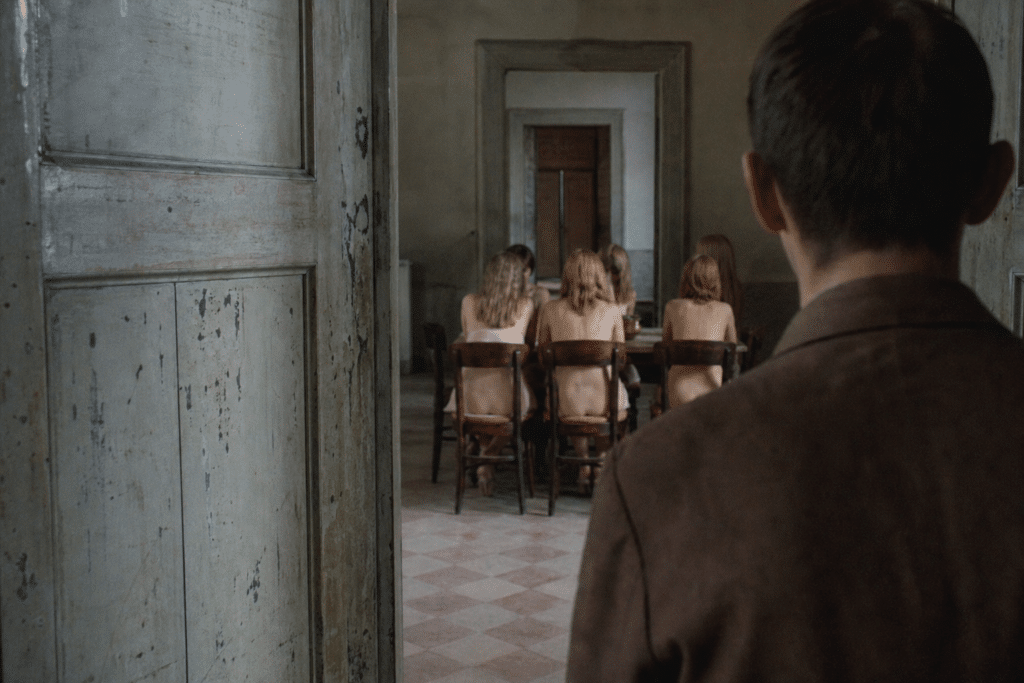
According to ABC News, Pier Paolo Pasolini’s Salò, or the 120 Days of Sodom will screen on August 29 as a centrepiece of Sydney’s Festival of Dangerous Ideas inaugural Dangerous Films slate. The political art horror was banned shortly after its Australian release in 1976 and has had a lengthy, contested classification history.
Australia’s Classification Board assesses films, video games and publications submitted for public distribution under legally established guidelines. It does not directly censor media, but restrictive ratings or refused-classification decisions can lead distributors to alter works and submit them again. Salò was rated R for theatrical release after an appeal in 1993, before a campaign led by Christian figures including then-National Party senator Julian McGauran resulted in it again being refused classification in 1998.
A further distributor application failed in 2008. In 2010, a DVD release accompanied by 176 minutes of contextual material was successfully submitted, drawing criticism from McGauran and the Australian Christian Lobby. The film, set in fascist-controlled Italy in 1944, follows four wealthy and powerful men as they inflict abuse and violence on lower-class victims.
Festival director Danielle Harvey said the film was essential to the first-year program because it is strongly associated with dangerous ideas, banned films and difficult viewing. She described it as a serious argument about power, fascism and consumerism rather than shock for its own sake. Jane Mills, an honorary associate professor in film studies at UNSW Sydney, said Australia’s relationship with media classification was “neurotic” and argued that people of an appropriate age should be able to make informed judgements about what they see, hear and read.
Harvey said locating a copy was difficult because the film is not streaming and physical copies are hard to find. She said banning a film makes it less available but does not make it cease to exist, and raised concerns that restrictions can create elitism over who can access art.