













Arabic version: تصويت مجلس الشيوخ يظهر الانقسامات حول سلطات ترامب في الحرب ضد إيران
Three Republican senators joined Democrats in the United States Senate in voting to advance a bill to limit President Donald Trump’s ability to strike Iran without congressional approval. Despite this bipartisan support, the bill ultimately fell short in a 50-49 tally on Wednesday.
According to Al Jazeera, this marked the seventh such vote since the start of the war, and it received the highest level of support so far. Democratic Senator John Fetterman – a pro-Israel hawk – sided with the Republican majority, single-handedly helping Trump’s party block the bill.
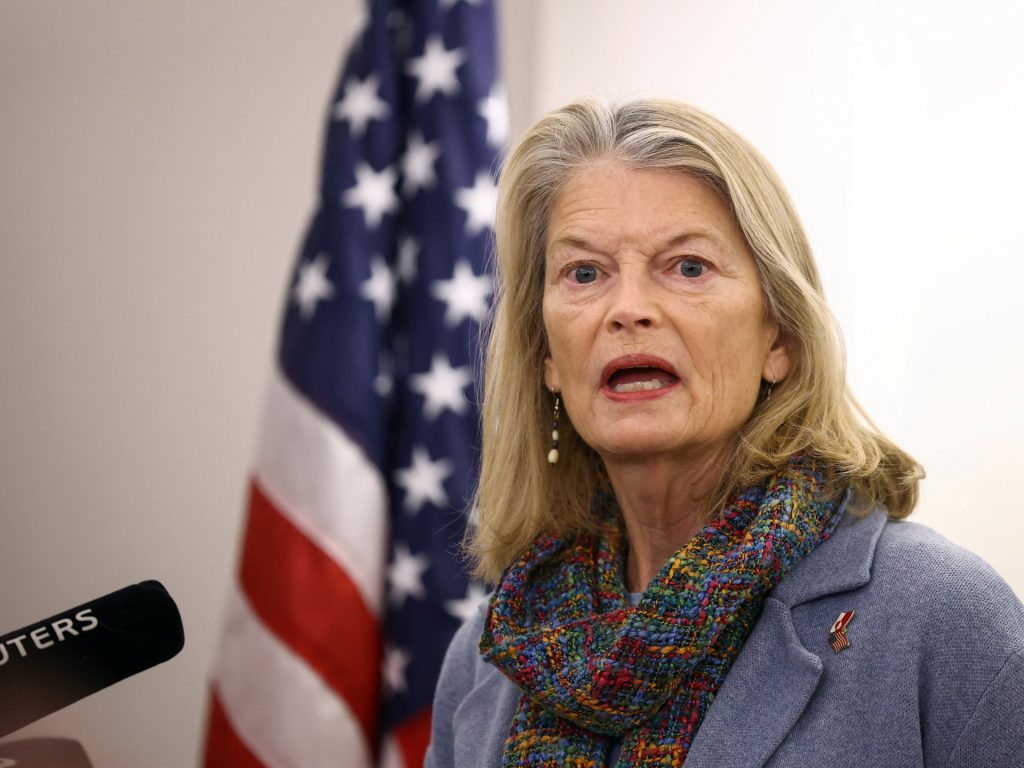
Republican Senator Lisa Murkowski broke ranks with her own party for the first time and voted in favour of the War Powers Resolution, while Senator Susan Collins, facing a tough re-election battle in Maine, voted for the resolution for the second time. Additionally, Senator Rand Paul, a Kentucky libertarian who has consistently voted to curb the president’s war authorities, was the third to vote for the resolution.
The War Powers Resolution of 1973, enacted to prevent executive overreach in military engagements, has been the framework for these votes. Senator Tim Kaine, one of the Democrats leading the efforts to advance the vote, underscored the “progress” in Wednesday’s vote, stating that constituents are demanding an end to what they view as a costly war.
Despite the growing dissent, it remains unlikely that such bills will pass in the Republican-controlled Senate and House, and they would almost certainly be vetoed by Trump if approved. A recent poll indicated that two-thirds of US voters do not think Trump has clearly explained why the country has gone to war with Iran, amidst rising oil prices and inflation affecting the US economy. The ongoing conflict has contributed to significant increases in fuel costs, which have now surpassed $4.50 per gallon.
Trump’s remarks regarding the financial implications of the war have drawn criticism, but US Vice President JD Vance defended the president, claiming that the administration cares about the financial situations of American citizens. As the conflict continues, the political landscape surrounding Trump’s war powers remains contentious and divided.