Reading in English | Read in العربية (Arabic)
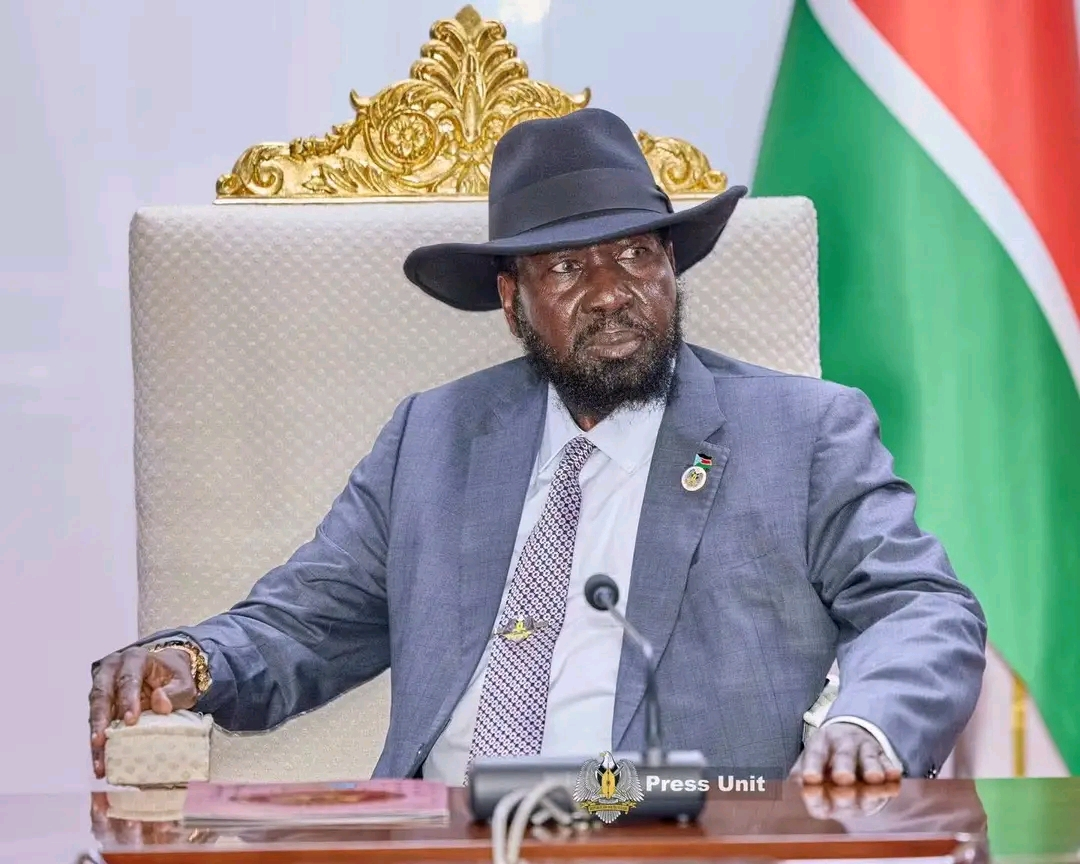
South Sudan has entered a new political phase after President Salva Kiir Mayardit dissolved the transitional unity government and established a caretaker administration to oversee the country during the election period.
Under the new arrangement, President Kiir will remain in office and retain his constitutional powers until an elected successor is sworn in. The First Vice President and the country’s other Vice Presidents have been relieved of their positions, while national ministers and deputy ministers have also been removed from their portfolio duties.
Government ministries will continue operating under their respective undersecretaries to maintain essential administrative functions. Key portfolios are expected to be placed under presidential designees through separate decrees, including Presidential Affairs, Cabinet Affairs, Finance and Planning, Petroleum, Trade and Industry, Information and Communications Technology and Postal Services, East African Community Affairs, and Peace Building.
The changes follow amendments to South Sudan’s electoral laws as the country prepares for general elections scheduled for 22 December 2026.
President Kiir has also dissolved the Transitional National Legislative Assembly and the Council of States, bringing the current transitional legislature to an end.
Major changes will also take place at the state and local levels. State governments and legislative assemblies have been dissolved, with the President expected to appoint caretaker governors for South Sudan’s 10 states, along with caretaker chief administrators for the Abyei, Greater Pibor and Ruweng administrative areas.
Outgoing county commissioners will meanwhile be restricted to essential administrative functions until interim commissioners are appointed.
Government officials have presented the caretaker arrangement as necessary to prevent a political vacuum and maintain essential government services and security during the election period.
The changes mark a significant stage in South Sudan’s long-delayed political transition. The transitional unity government had been established under the 2018 peace agreement, with its mandate repeatedly extended as the country struggled to complete key elements of the transition and prepare for elections.
Further presidential decrees are expected to name caretaker officials and individuals responsible for overseeing key government institutions during the election period.