











Arabic version: أعشاب الربيع الضارة تتطلب استراتيجيات مختلفة للحدائق
According to ABC News, spring in the southern hemisphere brings colourful wildflowers, annuals and native shrubs, but also creates prime conditions for weeds in lawns, garden beds and bare patches of earth. Some weeds are chiefly an environmental concern, while bindii, or bindi-eye, can be especially painful for people who step on it.
ABC Local Radio gardening expert Rob Pelletier said weeds can indicate conditions they favour, but are not a dependable test of soil health or evidence that they are repairing soil. He advised gardeners to build the best growing conditions for wanted plants and avoid leaving soil bare, where weeds can establish.
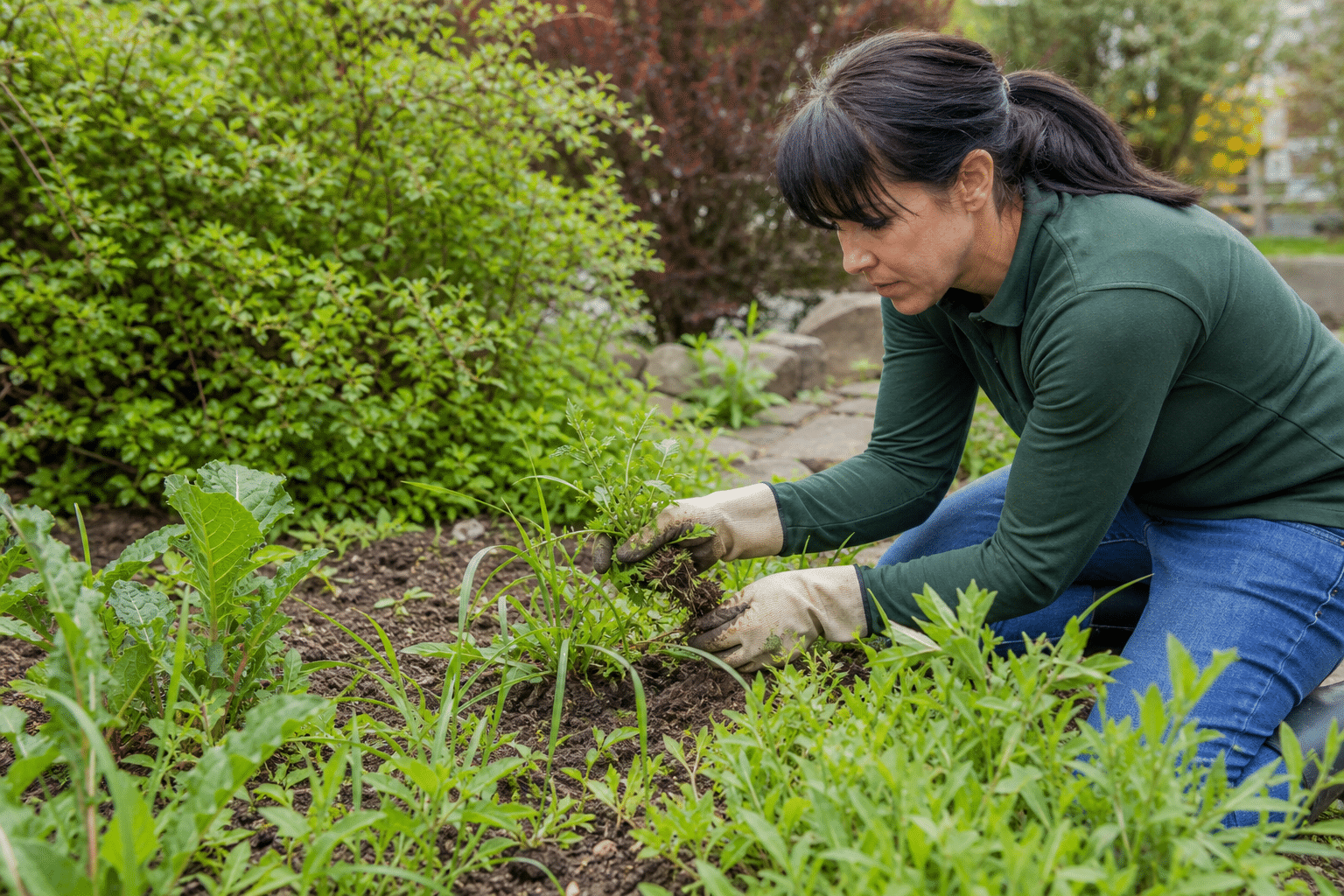
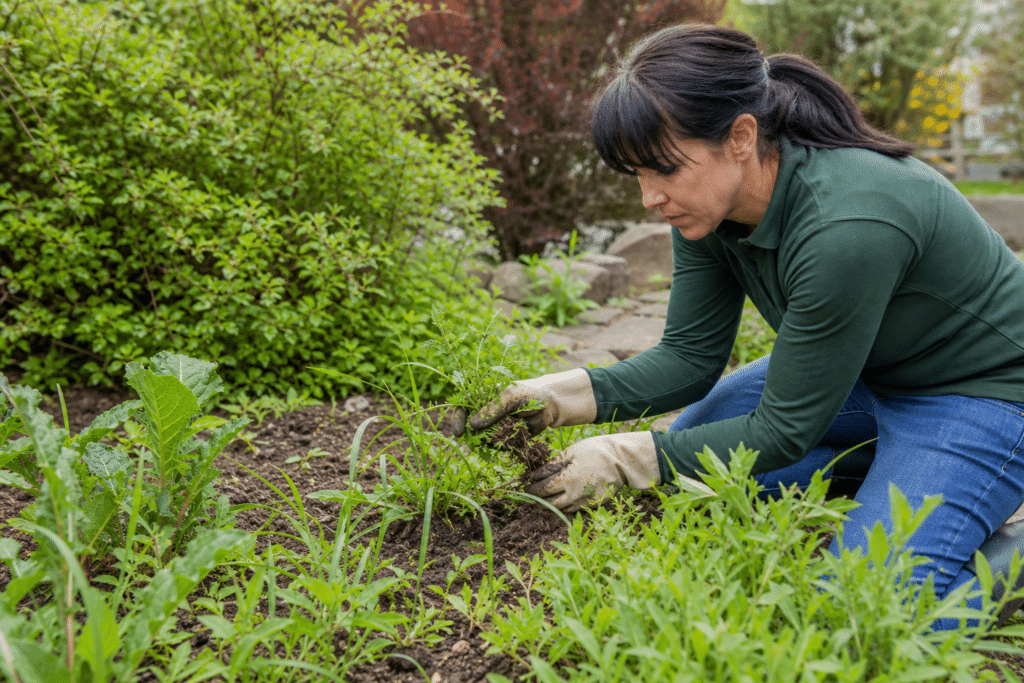
Mr Pelletier said control depends on the type of weed. Colonisers such as capeweed, dandelion, flat-weed, plantain and many thistles thrive in bare or poor ground; young plants can be removed while soil conditions are improved and ground is covered. Fast-growing spring weeds including chickweed, cleavers, fumitory, bittercress, sow thistle and annual grasses should be hoed or pulled while small and before they set seed.
Persistent perennials, including soursob, onion weed, couch, bindweed and blackberry, can regrow from bulbs, rhizomes or deep roots. Suggested approaches include digging out underground parts where practical, repeatedly removing regrowth, smothering plants with an opaque tarp, solarising suitable areas or using an appropriate systemic herbicide. Environmental scientist Kate Blood also urged gardeners to select plants carefully, replace invasive species with safer alternatives and dispose of garden waste responsibly to limit spread beyond gardens.