
Arabic version: الولايات وهيئة تداول السلع الآجلة تصعّدان تنظيم أسواق التنبؤ
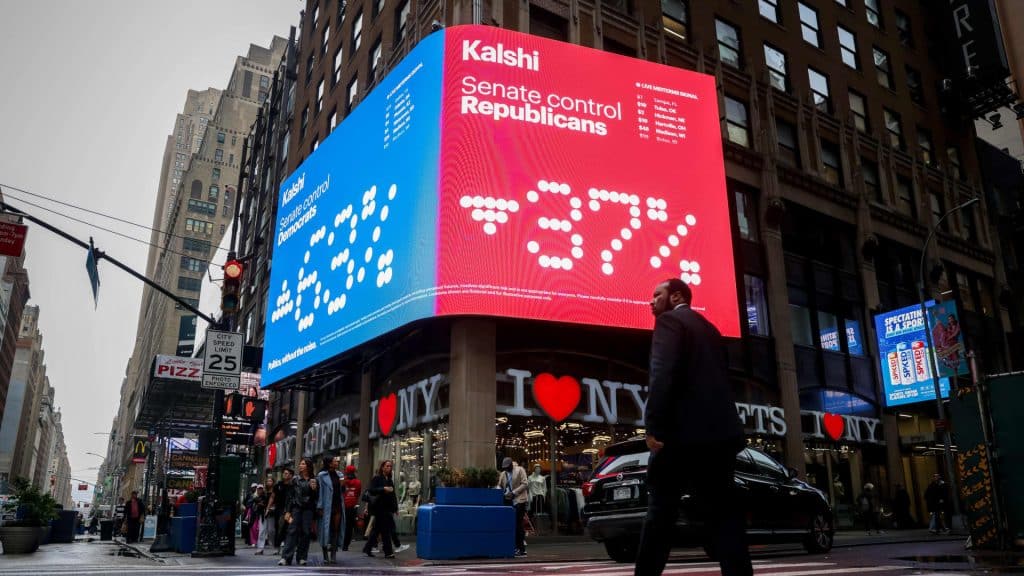
According to Cnbc, state and federal scrutiny of prediction markets is increasing, with litigation, criminal charges and proposed restrictions affecting Kalshi and other exchanges. The Senate passed a bipartisan bill that would bar CFTC-registered entities from listing contracts involving terrorism, assassination, war, military operations or outcomes reasonably expected to be determined by an individual’s death.
Utah Attorney General Derek Brown filed 14 criminal charges against Kalshi and its founders, Tarek Mansour and Luana Lopes Lara, on Oct. 28, alleging violations of a state law prohibiting gambling. The founders are expected to appear at Utah’s Third District Court on Dec. 4. Kalshi spokesperson Dani Lever called the case “a crazy overreach” and said the company would challenge it in court. Utah also filed a separate civil complaint naming Susquehanna International Group alongside Kalshi.
Louisiana’s Republican attorney general sought on Nov. 12 to stop multiple exchanges from operating in the state, and a state judge issued a temporary restraining order the same day. The CFTC sued Louisiana on Nov. 13 and separately sued Arkansas after that state pursued civil enforcement against Kalshi. The agency has sued 12 states, arguing it has exclusive jurisdiction over prediction-market regulation.
The CFTC has also increased oversight of “mention” markets, in which traders speculate on what people will say in speeches or broadcasts. It placed a hold on certification of markets related to President Donald Trump’s words in mid-November, according to CNBC. In Maryland, the Fourth U.S. Circuit Court of Appeals ruled 2-1 that the state can enforce its gambling law against Kalshi. Kalshi ended its advisory relationship with Donald Trump Jr. on Nov. 12, citing his venture capital firm’s stake in rival Polymarket.