











Arabic version: دراسة تعيد رسم تنوع البانديكوت في جنوب أستراليا
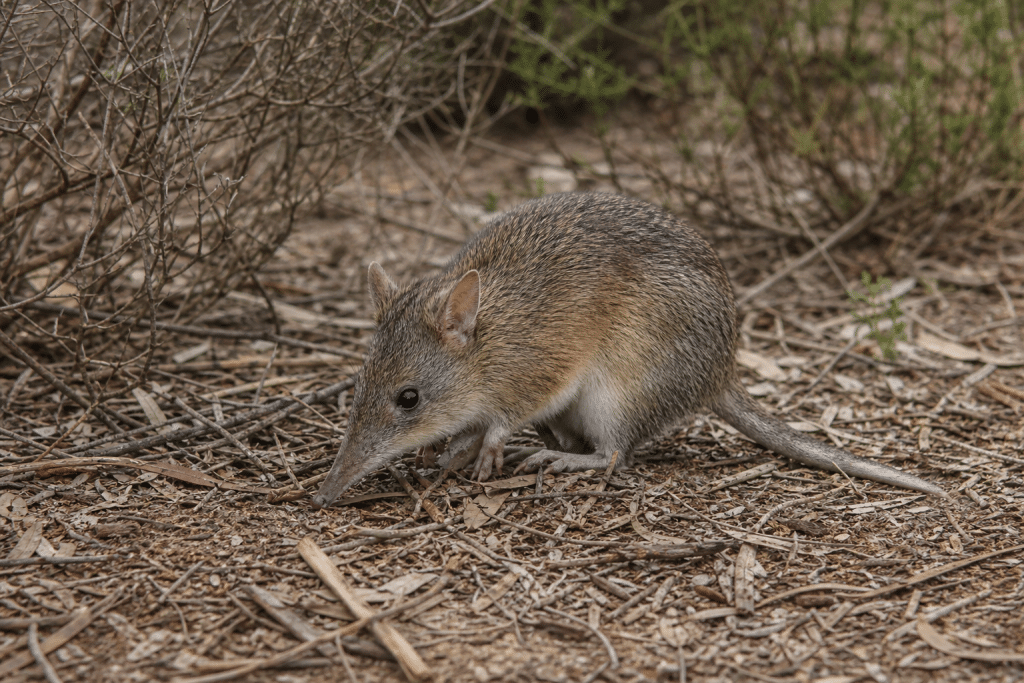
According to ABC News, new research has found that South Australia’s bandicoots are more diverse than previously thought. Scientists had long believed the state’s bandicoots were all southern brown bandicoots, but a study published in the Australian Journal of Taxonomy concluded that the southern brown bandicoot occurs only in the state’s south-east.
Bandicoots in the Mount Lofty Ranges, Fleurieu Peninsula and Kangaroo Island were found to be related to quendas from Western Australia. Their geographical isolation means they are now considered a distinct subspecies. Researchers reached the findings by cataloguing specimens held in archives across Australia, using skeletons, written records and genetics data.
South Australian Museum’s Steven Cooper said Western Australian Museum colleague Kenny Travouillon compared body structure, size, skull morphology and teeth, with thousands of genes sequenced across bandicoot species. Professor Cooper said the result could require a “conservation reassessment” for the newly identified quenda subspecies, as the southern brown bandicoot is already classified as endangered.
The research also identified a third species, the little brown bandicoot, or Isoodon microtis, which was once unique to the Eyre Peninsula and is now believed extinct. Bandicoots need thick ground vegetation for burrowing, while land clearing and predators including foxes and cats have reduced populations to small, isolated groups. Kangaroo Island Landscape Board biodiversity unit team leader Karleah Berris said their digging and soil turnover are important to ecosystems.
Green Adelaide conservationist Jack Casley-Smith said identifying a species that disappeared around a century ago was sobering and underscored rapid environmental change since European settlement. He said the finding also highlighted gaps in historical data and the importance of local conservation.