












Arabic version: مجالس سيدني تثير القلق بشأن توسع صناعة مراكز البيانات
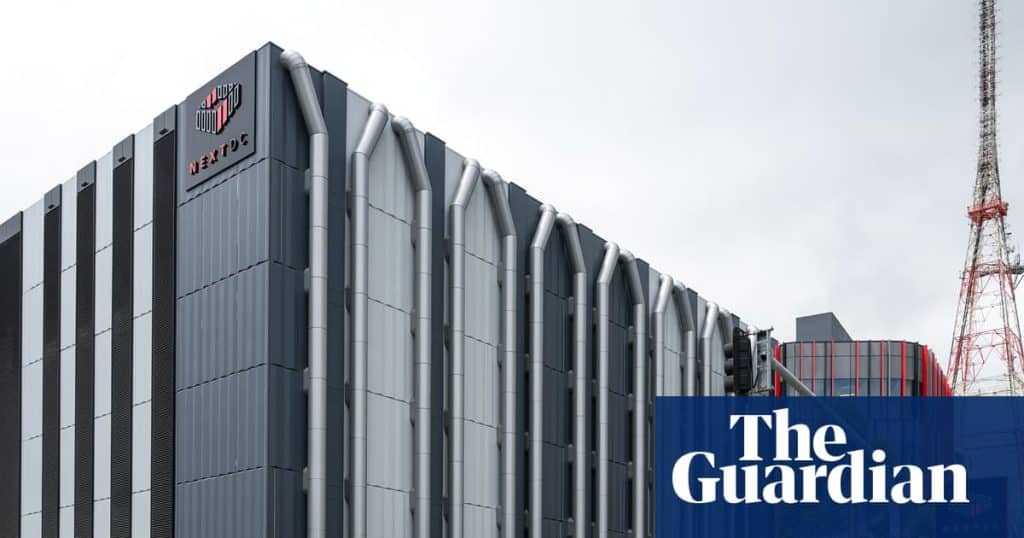
Several councils in Sydney have expressed serious concerns regarding the rapid expansion of datacentres in the region, fearing potential blackouts, housing shortages, and health impacts on local residents. According to The Guardian, these issues were highlighted in submissions to the New South Wales datacentre inquiry.
The Lane Cove Council reported an increase in blackouts attributed to the proliferation of datacentres. They noted that the noise produced by these facilities could be disruptive to both residents and wildlife, raising additional health concerns related to the use of diesel generators for backup power.
In northern Sydney, the City of Ryde pointed out that a cluster of twelve datacentres in Macquarie Park is competing with potential residential developments in areas well-served by public transport. One proposed datacentre site, located near a metro station, could have supported new housing in a strategically desirable location.
Penrith City Council has called on the state government to halt further datacentre approvals until the impacts on utility services, particularly water and power, are fully understood. The Western Sydney Regional Organisation of Councils emphasized that the cumulative effects of noise, heat, and emissions from these datacentre clusters are often overlooked in the approval process.
The growing demand for electricity and water from datacentres raises concerns about sustainability. Jess Miller, deputy lord mayor for the City of Sydney, stated that if all proposed datacentres are built, their power requirements could equal those of 10 million households, consuming up to 25% of the city’s drinking water by 2035. The industry is under pressure to address these challenges, with the federal government releasing new guidelines for datacentre operations. Public hearings for the NSW inquiry are set to take place in May, focusing on the implications for housing and local communities.