Houthis Announce Missile Strike on Israel with Iranian Support
Tensions rise as Yemen’s Houthis strike Israel with Iranian backing, signaling a potential escalation in the Middle East conflict amid ongoing Israeli operations.

Tensions rise as Yemen’s Houthis strike Israel with Iranian backing, signaling a potential escalation in the Middle East conflict amid ongoing Israeli operations.

Tensions soar as the Houthis launch missiles at Israel, escalating the conflict and raising fears of wider repercussions in the region. How will Israel and the US react to this bold move?
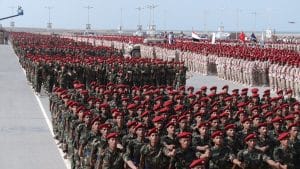
Recent attacks by the Houthis on Israel escalate tensions in the region, raising serious concerns for Red Sea shipping routes and international trade stability.

Yemen’s Houthis have launched missile attacks on Israel, marking a dangerous escalation in the conflict as tensions rise and the global economy faces new threats. The implications for maritime trade are significant.

Missile attacks from Yemen’s Houthis mark a dangerous escalation in the US-Israel conflict, threatening global trade and regional stability as they vow to continue strikes on Israel.

Protests in Yemen surge as demonstrators rally in support of Iran and Palestine against US-Israeli actions, signaling rising tensions and potential military readiness from the Houthis amid regional discontent.

Yemen’s Houthis have launched a missile attack on Israel, escalating tensions in the region. The group vows to continue their operations amid ongoing conflicts involving Iran and its allies.

The Houthis are primed for military action in the US-Israeli conflict over Iran, signaling a potential escalation in regional tensions and the involvement of new players in an already complex situation.

The Houthis are weighing their options in the US-Israel conflict, hinting at possible alignment with Iran. This shift could escalate tensions and disrupt global trade even further.

Amid escalating tensions between Israel, the US, and Iran, Yemen’s Houthis are choosing restraint, opting for rhetoric over military action. What’s driving their cautious approach in this volatile landscape?