












Arabic version: المركبات الأطول مرتبطة بارتفاع خطر وفاة المشاة
According to ABC News, new Australian research has linked larger vehicle dimensions with increased odds of pedestrian death, as SUVs and utes take a growing share of the passenger fleet. Melbourne University researchers examined 10,376 crashes in Victoria between 2012 and mid-2025, accounting for factors including vehicle type, road environment, speed limits, time of day, and driver and pedestrian characteristics.
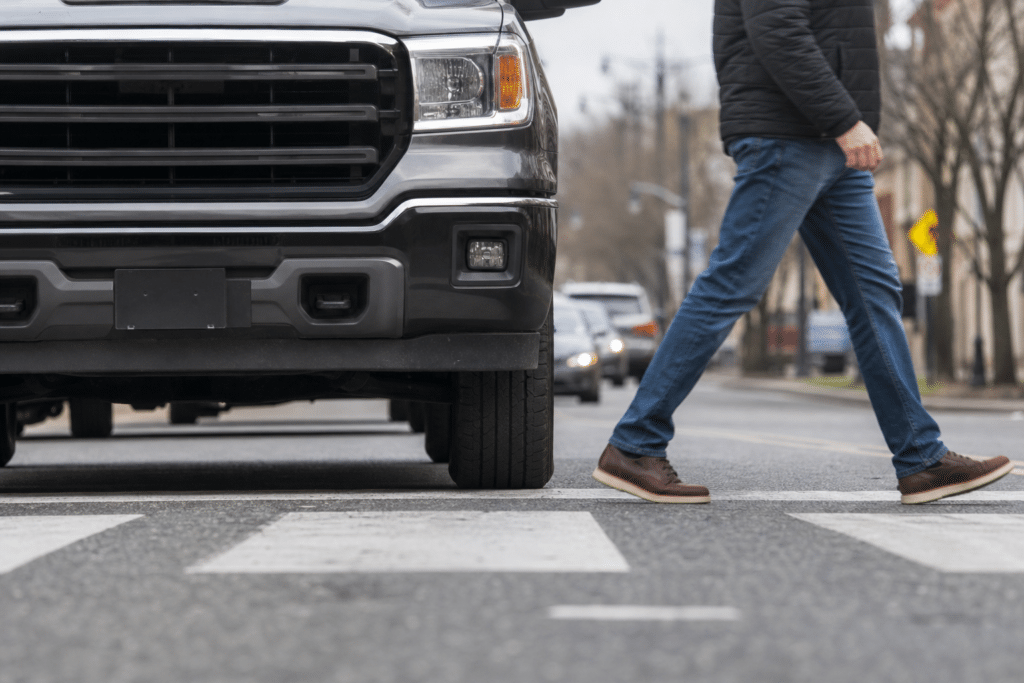
The study found that, when comparing crashes differing only in vehicle size, every 100 kilograms of vehicle weight increased the odds of a pedestrian fatality by 6 per cent. Every 10 centimetres of vehicle height increased those odds by 11 per cent. Station wagons had a probability of pedestrian death 1.2 times that of passenger cars such as sedans and hatchbacks, while utes had a figure of 1.6 times.
Associate Professor Milad Haghani said the increased danger was partly related to where a vehicle strikes a pedestrian and whether the person ends up on the bonnet or on the ground. The researchers found women were disproportionately affected because they are, on average, shorter than men, placing their heads and torsos at a critical point of impact. Professor Haghani said the fatality risk remained in lower-speed crashes, describing them as otherwise survivable collisions made fatal by vehicle design.
Australia has seen pedestrian deaths rise over the past five years after years of decline, while the fatality rate for vehicle passengers has roughly stabilised. ANCAP tested five large utes last year and said they met national road vehicle standards, though they underperformed in some simulated child-pedestrian and driver-vision scenarios. The National Transport Research Organisation has called for a review of large-ute safety standards, while ANCAP is developing its next three-year safety protocols.