












Arabic version: الرسوم الجمركية والوقود والفائدة تضغط على الشركات الأميركية
According to Cnbc, U.S. companies are confronting a three-way squeeze from tariffs, higher fuel prices and rising interest rates. Tariffs are lifting the cost of raw materials and goods, fuel is raising production and transportation expenses, and higher borrowing costs are making inventory and equipment more expensive to finance.
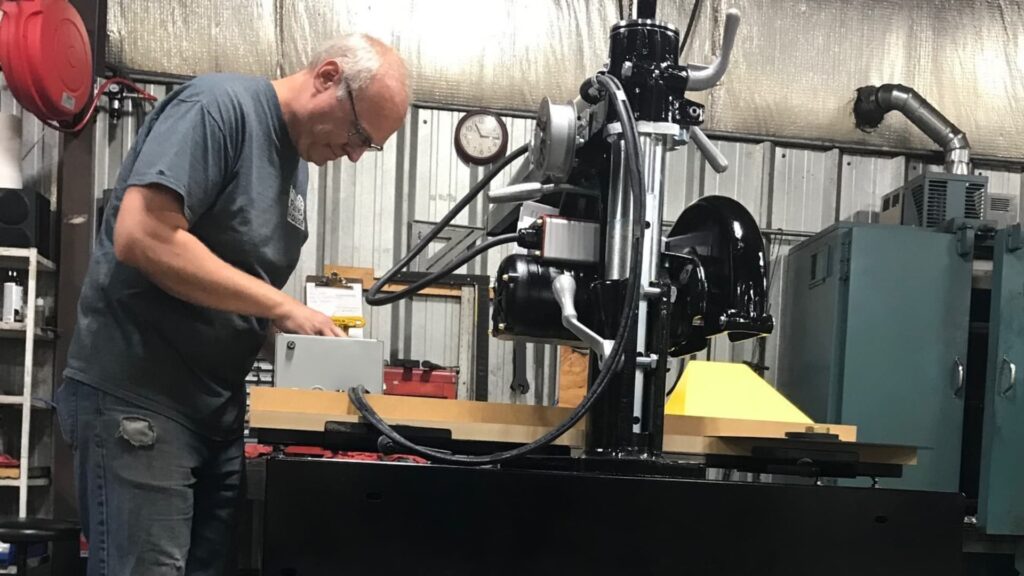
Allen Eden, owner and president of the 25-person Original Saw Co. in Britt, Iowa, said he has held extra inventory as prices for aluminum, steel and key parts rise. A bracket used for saw motors increased to $87 from $42 this summer, he said. Eden said price increases for saws sold to retailers including Home Depot and to smaller manufacturers appear inevitable.
Smaller businesses may face more immediate pressure because they typically depend on shorter-term lending, according to JPMorgan Chase global strategy head Dubravko Lakos-Bujas. Manufacturers, equipment suppliers, trucking fleets and commercial real estate are also especially exposed. Lucerne International stopped U.S. manufacturing operations and canceled plans for a $50 million aluminum forging plant in Michigan, citing tariff-related supply-chain costs. Grupo Antolin filed for Chapter 15 bankruptcy protection in the U.S. in July after citing tariffs, higher raw-material and energy costs, and supply-chain disruptions.
The ability to pass costs to customers is separating companies. Airline fares rose more than 23% in August from a year earlier, while airlines reduced less-profitable flights as fuel costs climbed. Larger companies with substantial cash reserves and longer-term debt are more insulated from higher rates than smaller, more leveraged firms. Still, companies facing price-sensitive customers risk weakening demand if they raise prices too far.