













Arabic version: تسمانيا تفعّل إجراءات حماية الحياة البرية بعد اكتشاف H5N1
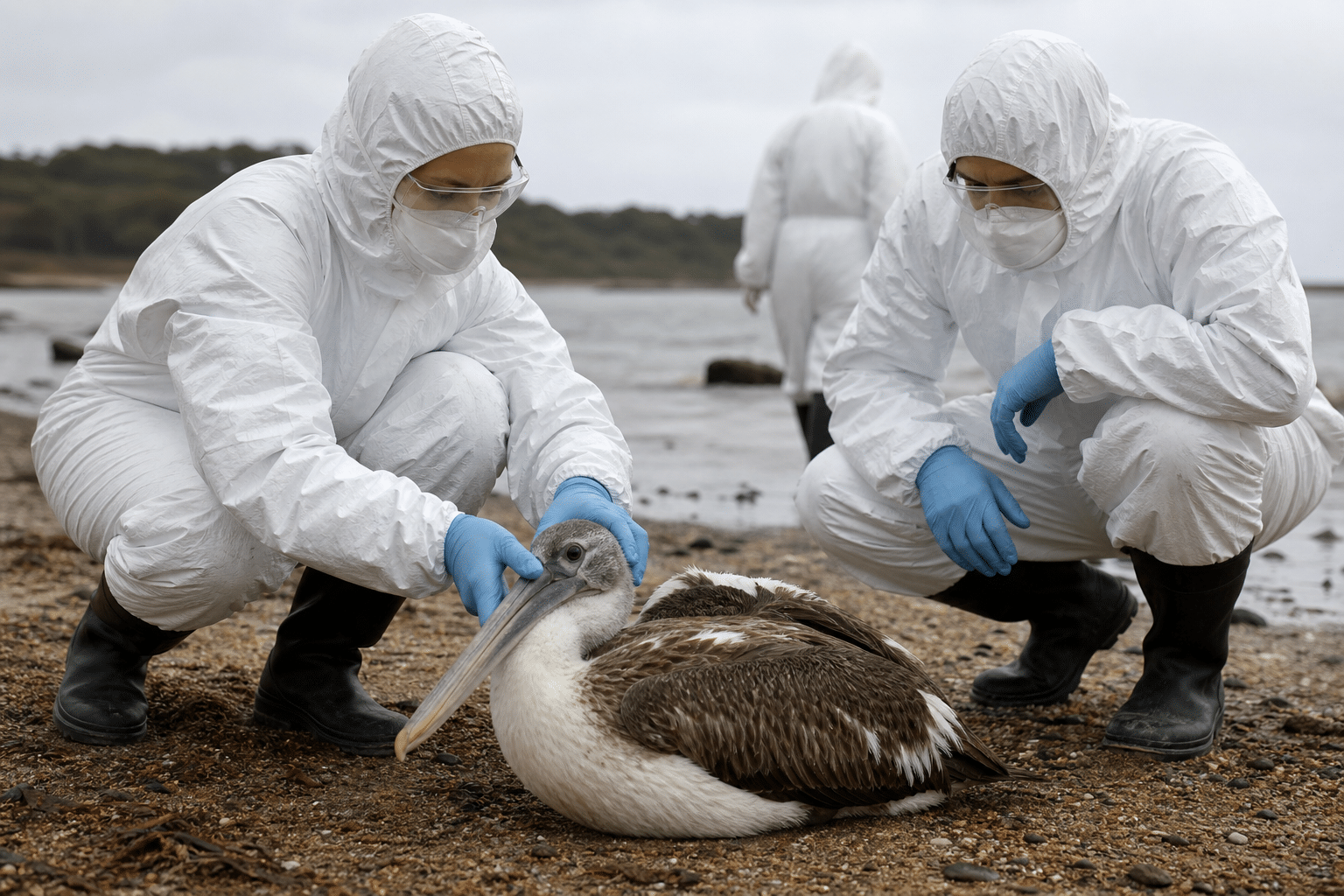
According to ABC News, H5N1 bird flu has been detected in the carcass of a brown skua on Tasmania’s north-west coast, prompting contingency measures to protect endangered and native wildlife. Authorities are increasing surveillance and preparing a vaccination program, with species that gather in dense colonies, scavenge carcasses or face existing extinction pressures being prioritised.
The potential effect on endangered Tasmanian devils remains unknown. Devils regularly scavenge animal carcasses and may eventually eat infected birds, but it is not known whether the virus would infect them. Rachael Alderman of Tasmania’s Department of Natural Resources and Environment said the department was monitoring and preparing. Work is also under way to strengthen captive devil populations by reducing disease and boosting genetic diversity, while no H5 bird flu vaccine is currently available for mammals.
The critically endangered orange-bellied parrot is planned to receive vaccine protection in captivity. After state government approval, 350 parrots at the Five Mile Beach breeding centre near Hobart are due to receive the H5 vaccine, with the program hoped to begin in September. The facility will also add specialised shade cloth infrastructure to reduce disease transmission risk. Only 88 orange-bellied parrots were detected in the wild last year.
Little penguins will not be vaccinated in Tasmania because of their population size, non-threatened status and permit conditions requiring two doses and monitoring of vaccinated birds. Habitat work will instead include beach weed removal and efforts to reduce pest impacts. High-risk seabirds identified by the state include shy albatross, short-tailed shearwaters, white-fronted terns, fairy and little terns, and Australasian gannets. Australian and long-nosed fur seals are also considered high risk because they gather in large groups, but no vaccine is available for seals. If an outbreak is found in a shearwater colony, the department may work with the Aboriginal community on a temporary suspension of muttonbirding.